First Saturday. Six Degrees of Separation Day. This meme is hosted by Kate at BooksAreMyFavouriteandBest and it involves drawing links from the book that Kate chooses – in this case, Carrie Fisher’s Postcards from the Edge – and nominating six other books that you mentally link with the starting book.
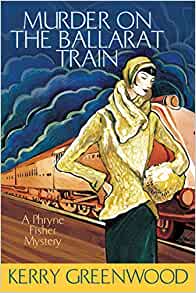
I don’t remember reading Postcards from the Edge, but I do know who Carrie Fisher the actress was. But another “Miss Fisher” who is far more familiar to me is Kerry Greenwood’s creation Miss Phryne Fisher. I’m not really into mystery novels, but I did read a Phyrne Fisher years ago. I had no idea how to pronounce her name then, but the television series has taken care of that. To be honest, I can’t remember which one I read, but let’s go with Murder on the Ballarat Train because that leads me to….
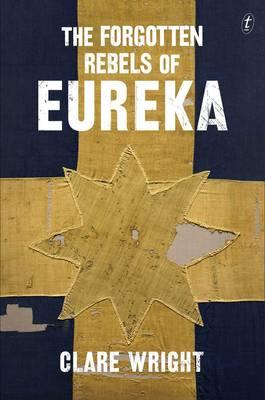
…Ballarat, and Clare Wright’s fantastic history of women in the goldfields in her Forgotten Rebels of Eureka. This book won the second-ever Stella Prize in 2014, highlighting that the Stella was for both fiction and non-fiction books. It is written in Clare’s trademark warm, bubbly voice but underpinned by serious academic research. It is based on the Eureka Stockade rebellion which took place on the Ballarat goldfields, which leads me to…
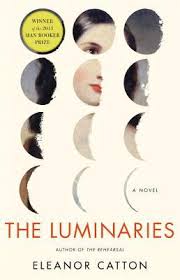
Another goldfield, but this time in New Zealand with Eleanor Catton’s The Luminaries. Actually, when I look at my review, I didn’t seem to be particularly impressed with it, and rather disgrunted about its length even though it won the 2013 Booker Prize. As I remember it, much of the action took place on a boat, which leads me to….
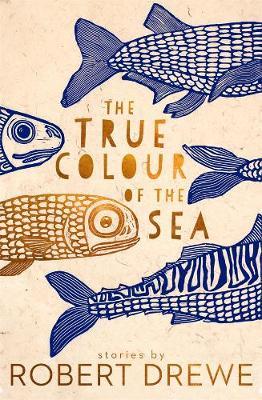
Robert Drewe, who is drawn to writing about water. The True Colour of the Sea is a collection of short stories, several of which make reference to the sea. We’re taken to a Pacific Island and to Cuba, as well as more recognizable Australian oceans and beach-side settings. And as a good little Australian school child, I was well and truly drilled in the importance of Captain Cook, one of the greatest navigators of Empire which leads me to….
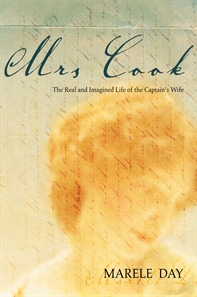
Mrs Cook: The Real and Imagined Life of the Captain’s Wife by Marele Day. As suggested by the title, this is not a straight biography, but nor is it pure fiction either. The book is organized around a fairly large collection of existing Cook artefacts which, from the the notes at the back of the book, are located in various museums, libraries, churches and parks across the world. She uses these real-life objects as the tethering posts to which she attaches her fictional narrative, complete with conversation and internal speech. I don’t seem to have been terribly impressed by this book either. But another book about the sea that I was impressed with is….
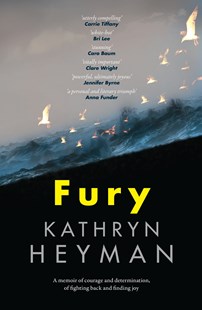
A very recent read, Kathryn Heyman’s Fury. You might think from the front cover and the opening chapter that it’s going to be about a woman clinging onto the boom of a fishing trawler in a howling storm, which is it. But it’s about far more than that. It’s about class, femaleness, sexuality, the power of story and the narratives we tell ourselves.
Thanks, Kate, for hosting this meme, even though I very rarely have read the book you start off with. September is Rachel Cusk’s Second Place, nominated for the 2021 Booker. I don’t like my chances of having read that one, either.