
I haven’t read the starting book for Six Degrees of Separation in March. It’s Julia Baird’s Phosphorescence and it’s sitting beside the bed unread. In fact, I had to look up what phosphorescence actually IS and I find that it is a sort of light. So, for the March Six Degrees, I’ll go with the theme of ‘light’. You can read the ‘rules’ for Six Degrees of Separation on Kate’s Books are my Favourite and Best website but essentially it’s a form of trigger association based on the books that you have read. So, thinking of light….
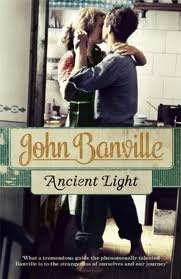
I really like John Banville’s intelligence and the way that he makes you work hard as a reader. In Ancient Light, he effortlessly handles two narrative lines, while expanding your vocabulary. I must confess that I didn’t realize that it was part of a trilogy – and a trilogy that I had read, no less!- and I felt rather foolish when I realized that the books were all related.
I was rather less impressed by Ellen Van Neerven’s Heat and Light, a collection of short stories arranged around three themes: Heat, Water and Light. It was a bit of a ‘curate’s egg’ of a collection- very good in parts, but some stories made less of an impression.
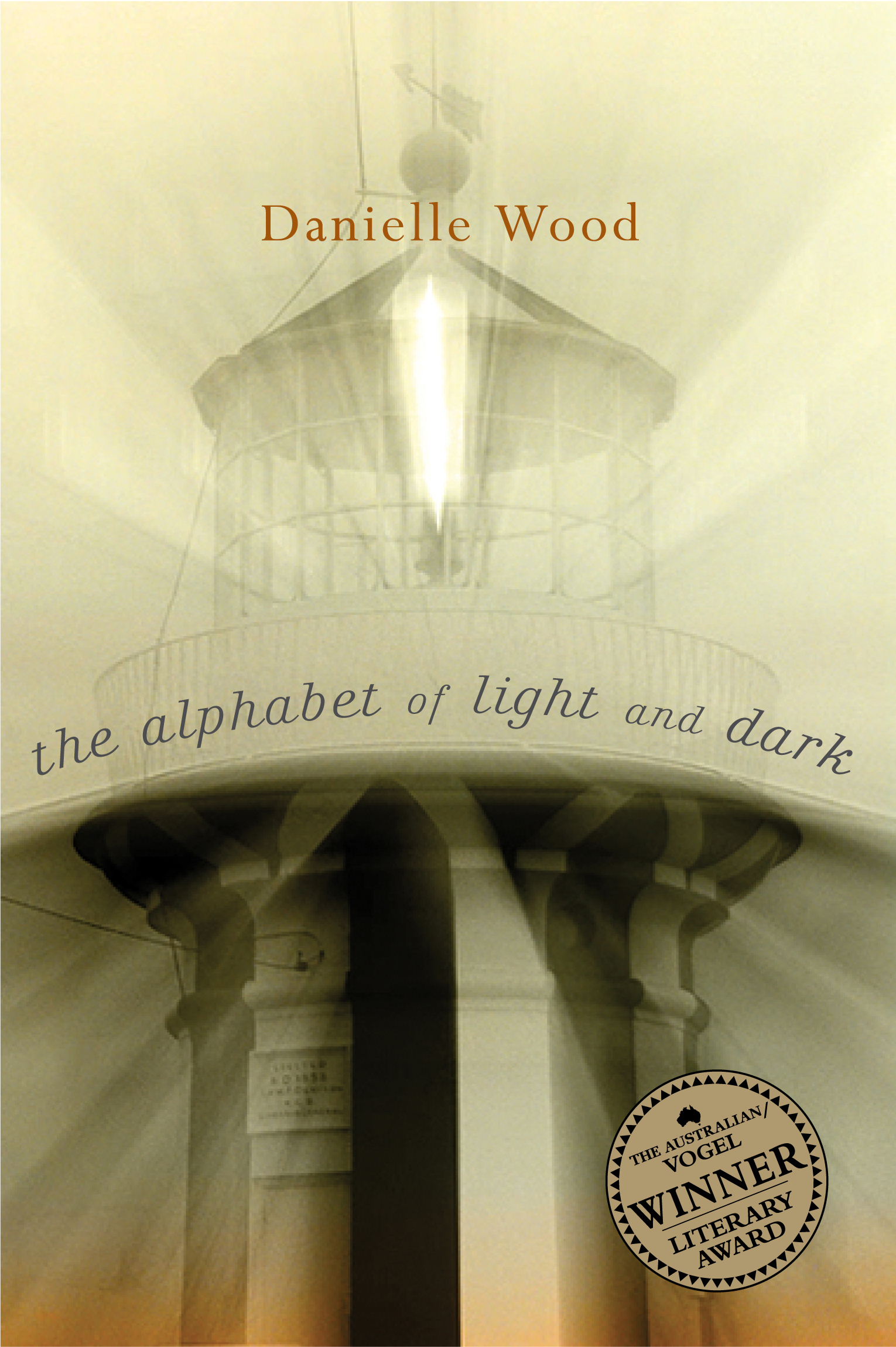
I read Danielle Wood’s The Alphabet of Light and Dark before I started writing this blog. Set on a lighthouse on Bruny Island, it is a story within a story where an aspiring author returns to the lighthouse once tended by her great-great-grandfather and decides to write about her great-great aunt. There are lots of descriptions of landscape and reflections on history.
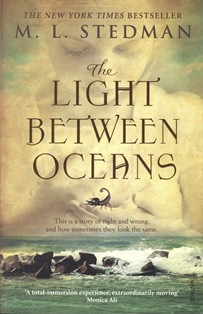
M.L. Stedman’s The Light Between Oceans is set on a lighthouse, too, but this time in the 1920s on the Western Australian coast. A husband returns from the war a changed man, and his wife Isabel cannot understand the existential changes that have been wrought on her husband. Their marriage is wracked by tragedy and loss. There’s a Jodi-Picoult-esque ethical dilemma, which was concluded a little too rapidly for my liking.
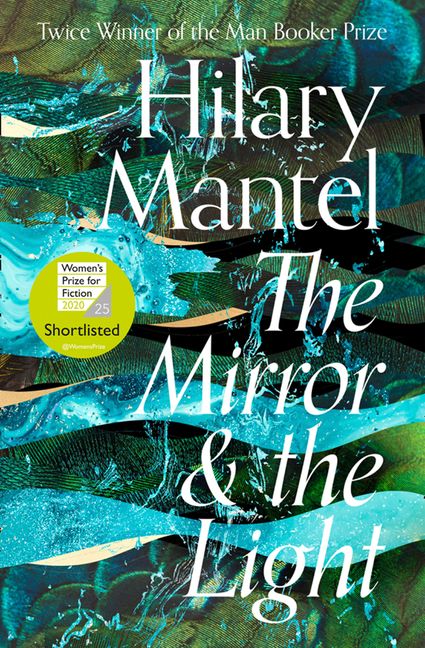
There was no rushed ending in Hilary Mantel’s The Mirror and the Light. The third of her Thomas Cromwell trilogy, it’s the brilliant culmination of a marvellous work of historical fiction. You know how the story is going to end (not well), but Mantel keeps you engrossed right to the last page.
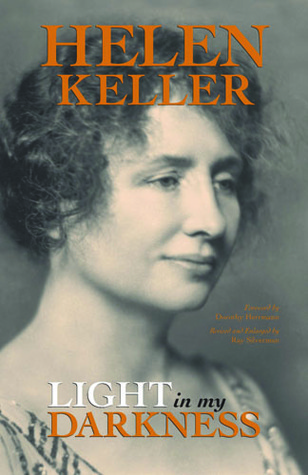
And finally, someone who could barely remember seeing light: Helen Keller. Light in My Darkness is her compilation of autobiographical writing. Originally called My Religion, it’s pretty turgid in places and I found it easier to skip the chapters on Swedenborgianism. Frankly, I wouldn’t bother reading this and instead read Dorothy Herrman’s Helen Keller: A Life.
So, mainly fiction this month and a rather crabby collection of reviews. Rather ironic really, given that the theme I had chosen for myself was ‘light’!
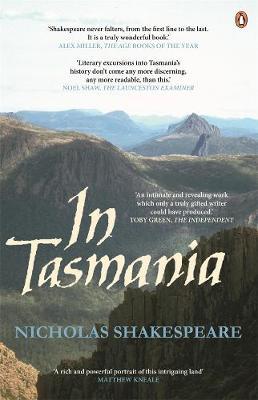
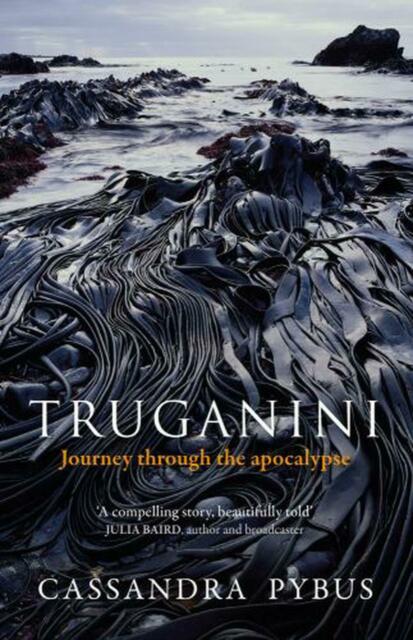
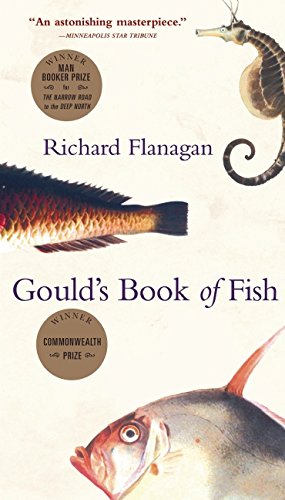
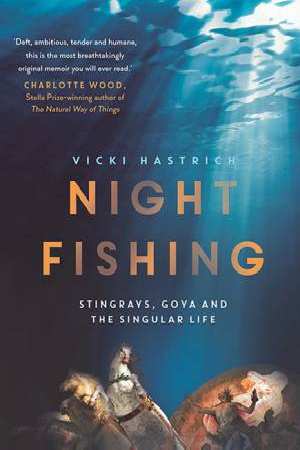

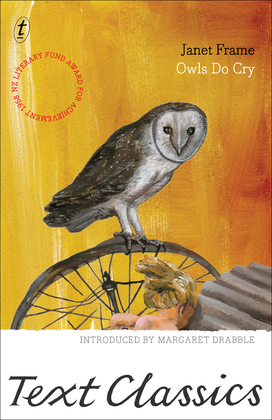
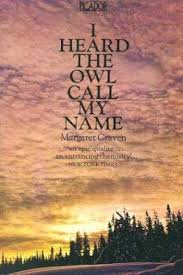
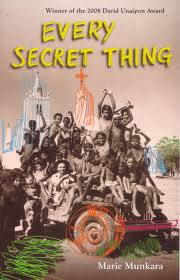
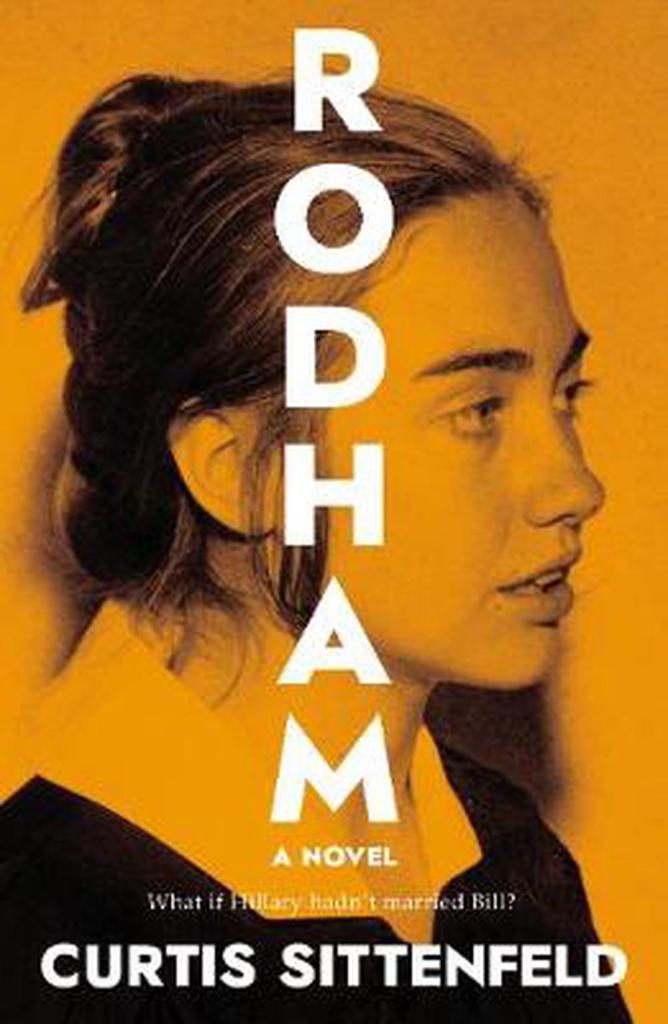
 So, another month- another Six Degrees of Separation – see the ‘rules of the game’
  But the title put me in mind of George Johnston’s Clean Straw for Nothing (1969), the second of his David Meredith trilogy, and the sequel to My Brother Jack. Unfortunately, I read it before I started my blog, so you’ll just have to take my word for it that I absolutely loved all three books of the trilogy.
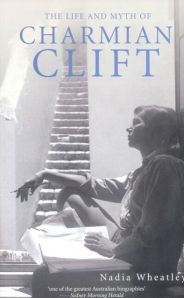 So caught up was I by the trilogy that I became fascinated by Charmian Clift, writer and journalist and, as it happens, George Johnston’s wife. Nadia Wheatley wrote a brilliant biography of her called The Life and Myth of Charmian Clift (2002) which, again, I read before starting this blog.
 Clift was a journalist, although more of the domestic kind, with long-running columns in the ‘women’s pages’ of the newspaper. Jeannine Baker explores the world of Australian woman war journalists in her
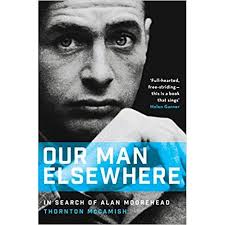 Mentioned in passing is the Australian journalist Alan Moorehead, who was also in Spain during the Civil War. Thornton McCamish wrote a fine biography of Moorehead in his
  Moorhead wasn’t the only historian to write about Burke and Wills. English writer Sarah Murgatroyd wrote an eminently readable history in her book The Dig Tree (2002), which again, I read before I started this blog. It was quite tragic to learn that she died of cancer just a few weeks after it was published. It has been republished as one of the Text Classics, which is impressive for a book published so recently.
 So, the starting book is Siri Husdvedt’s What I Loved. I could have sworn that I have read this book, but I have no record of it at all, and when I read the synopsis it doesn’t sound familiar either. But I gather that it starts off with an art historian and a painting, so that leads me to….
 Alex Miller’s
 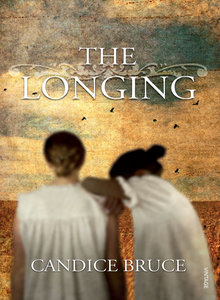 Candace Bruce’s
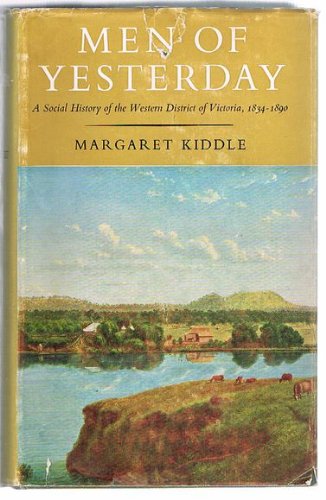
  Margaret Kiddle’s Men of Yesterday: A social history of the Western District 1834-1890. This book, written in 1961, is written by a daughter of the Western District herself, celebrating the white settlement of western Victoria. Its reverence for ‘settlement’ and ancestral pride, without considering the theft of indigenous lands, does not sit well today but it is beautifully written by a young historian who died before it was published. Another historian who discovered Margaret Kiddle’s work was
 Chris Womersley’s
  Laura Spinney’s
  Usually the first Saturday of the month passes me by and I miss out on the Six Degrees of Separation meme from Kate’s blog
 Australia had its own Bright Young People too, but they generally did not have the entrenched wealth of those in Britain, and they gravitated more towards the arts and the intelligentsia.
  A real live Bohemian is the late Mirka Mora, whose biography
  Emily Bitto’s
  When I think of strays, I think of dogs which takes me to Ceridwyn Dovey’s
  Dovey? Dovey? Where have I heard that name before? That’s right- Margaret Whitlam was Margaret Dovey before she married Gough. I haven’t yet got round to reading Jenny Hocking’s two-volume biography of Gough Whitlam. However I did read her
  The Resident Judge of Port Phillip