Category Archives: Six Degrees

Six Degrees of Separation: from ‘We Have Always Lived in the Castle’ to…

It’s literally the first Saturday of the month, which makes it Six Degrees of Separation day. This meme, hosted by Kate at Books Are My Favourite and Best involves Kate nominating a book I have rarely read (in this case, We Have Always Lived in the Castle by Shirley Jackson) and then nominating six other titles of books that spring to mind.

  1. With ‘castle’ in the title of the starting book, what else could I go for but I Capture the Castle by Dodie Smith? In Grade 7 and 8, I just loved this book and kept reborrowing it from the school library. I saw the film, but it didn’t have the magic for me now that it had as a young girl. I have a copy on my shelves, but I don’t know if I want to re-read it or not. Perhaps some books are best left as memories.
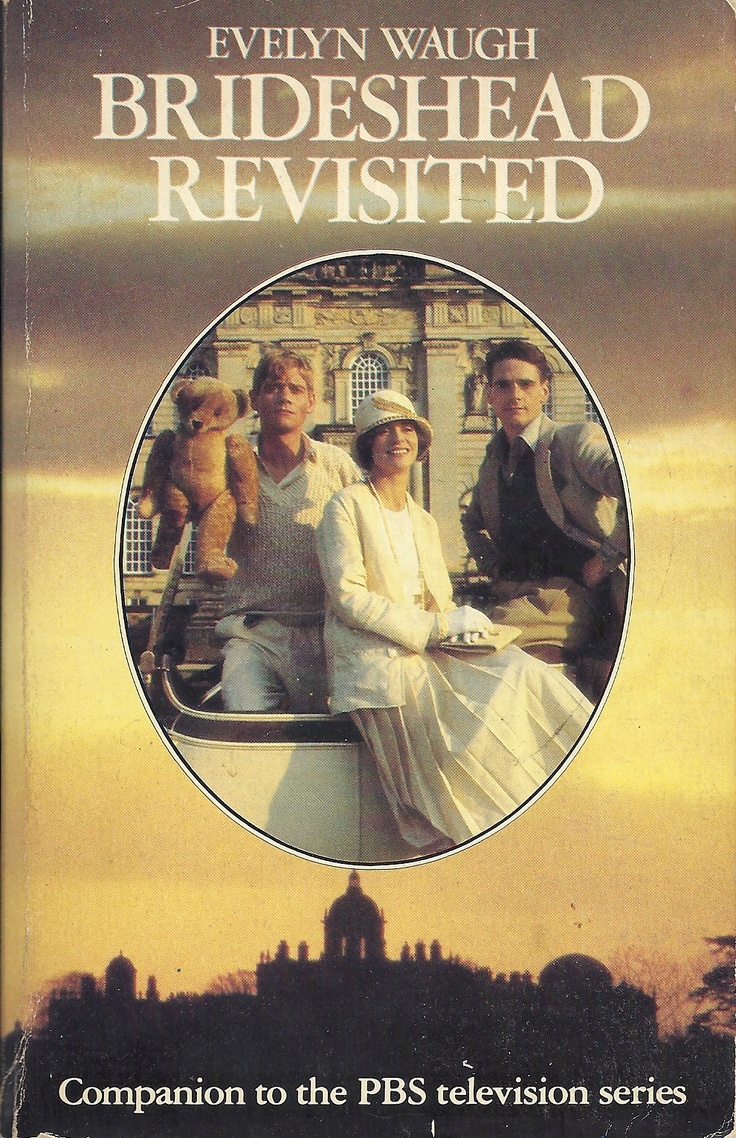
  2. Brideshead Revisited had a castle in it too. I loved the series with Jeremy Irons. I know that I read the book too, while I was at university.
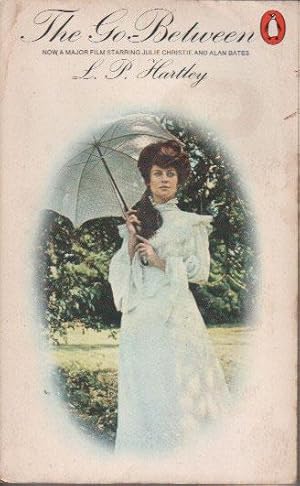
  3. L.P. Hartley’s The Go-Between was set in a big house as well, told from the perspective of a visitor from a lower class who doesn’t know the ‘rules’ of the gentry. We read it in Matric (yes, I’m that old), and I think that it has one of the best starting lines in literature: “The past is a foreign country. They do things differently there.”
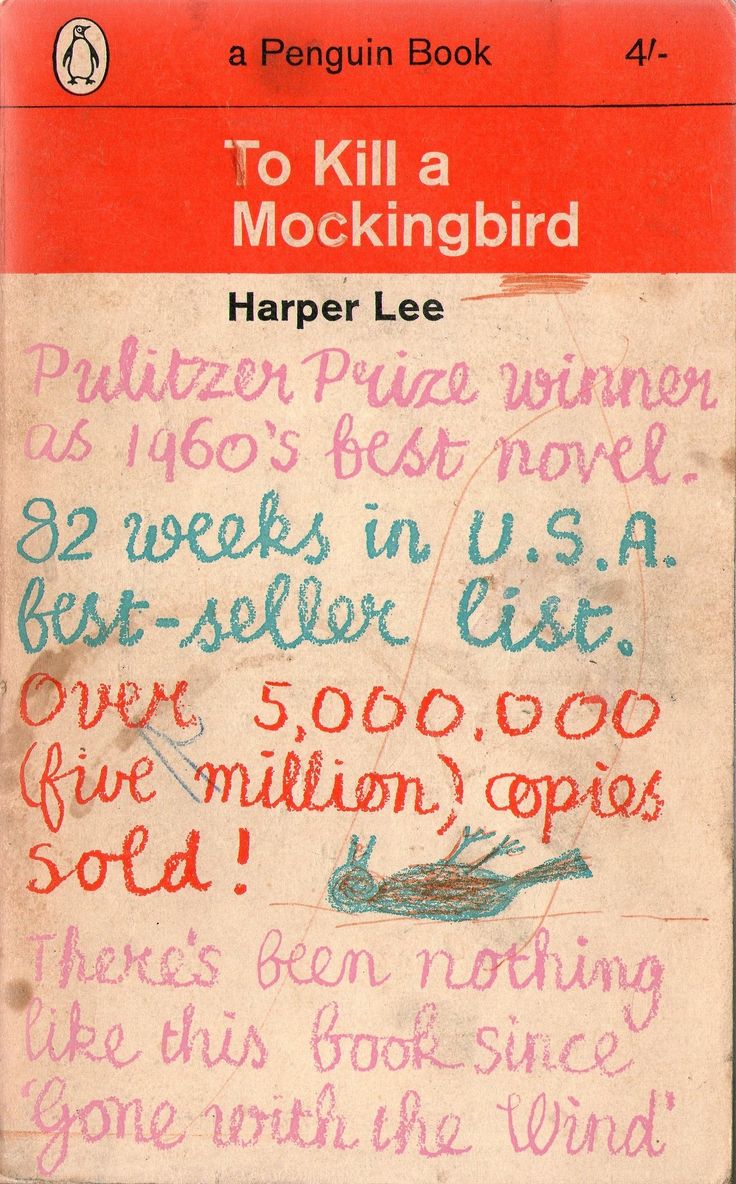
  4. Like everyone else in the world, we read To Kill a Mockingbird at school too. I have re-read this one, many times, and every time I hear the music to the absolutely perfect movie, my eyes fill with tears. To me, this book is emblematic of the Deep South
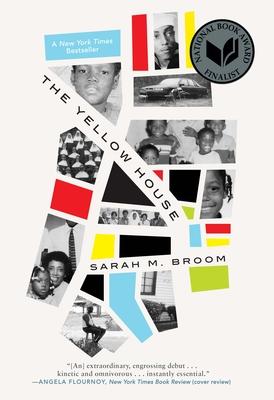
  5. Another book set in the South- New Orleans this time- is The Yellow House by Sarah M.Broom (my review here). The youngest of twelve children in a working class family, she tells the story of her family home in New Orleans, interweaving national and local history, family stories and her own story of place and identity.
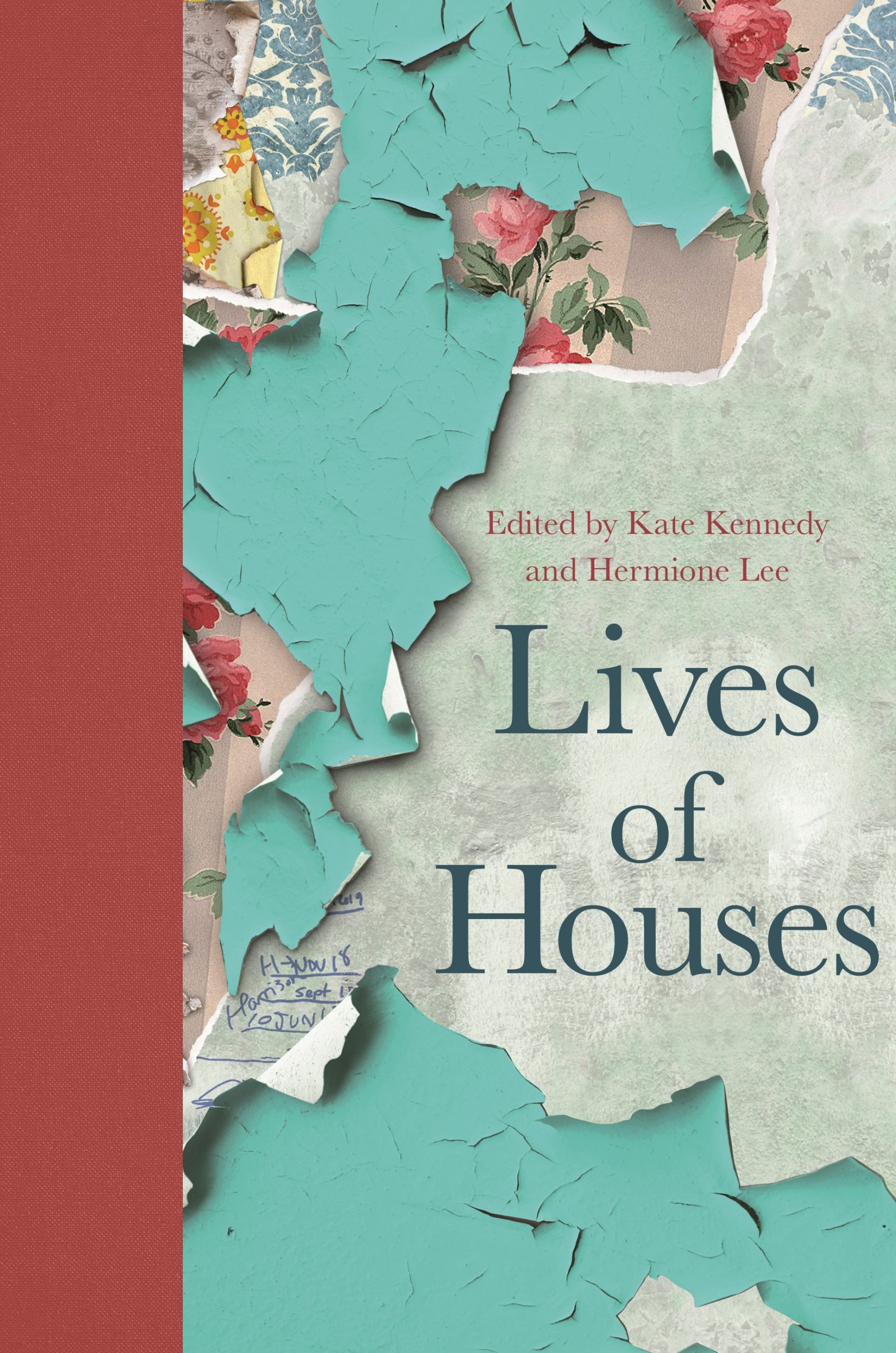
  6. The Lives of Houses, edited by Kate Kennedy and Hermione Lee is a collection of essays that emerged from a 2017 conference titled ‘The Lives of Houses’ held at the Oxford Centre for Life-Writing at Wolfson College, Oxford. This conference brought together scholars from different disciplines and professions, with an emphasis on British, Irish, American and European houses. The ‘big’ names include Hermione Lee, Margaret Macmillan, David Cannadine, Jenny Uglow, Julian Barnes, and it focuses on 19th century British writers and a peculiarly British form of being ‘the writer’ in a mixture of eccentricity and domesticity. (My review here)

So somehow or other I started off with a castle and ended up in a house.
Six degrees of separation: From ‘The Safekeep’ to…

I haven’t played Six Degrees of Separation for a while, but I’m feeling heavy and miserable with a headcold, so I’ll write this instead of racing out to weed the garden, or go for a walk, or clean the house, or something else I’d do if I had more energy.

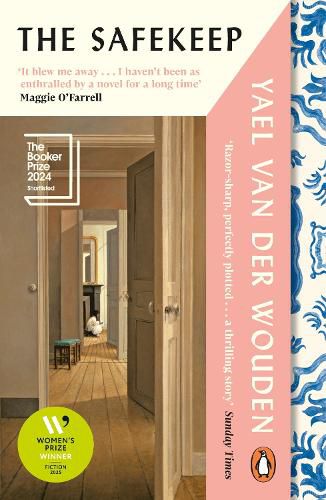
The idea is that Kate from BooksAreMyFavouriteandBest chooses a starting book, and you then bounce off six other books that spring to mind. The starting book this month is Yael van der Wouden‘s The Safekeep. It is a truth universally acknowledged that I rarely have read the starting book, and this month is no exception. Wikipedia tells me that it is set in 1961 Netherlands, and tells the story of Isabel, a recluse living alone, who receives an unexpected guest when her brother Louis asks that his girlfriend Eva move into the home to stay with Isabel for the summer.

So, off to my six degrees.

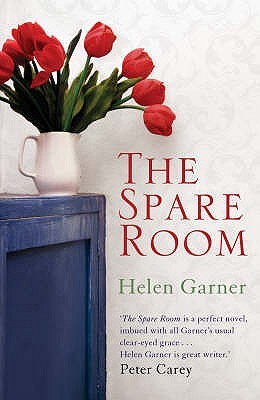
Having not read The Safekeep, it seems as if Isabel has had this unexpected guest foisted upon her. Helen in Helen Garner’s The Spare Room hasn’t had her guest Nicola imposed on her, but she certainly feels ambivalent about this friend who comes down to Melbourne to stay with her while undergoing an unconventional treatment for cancer.

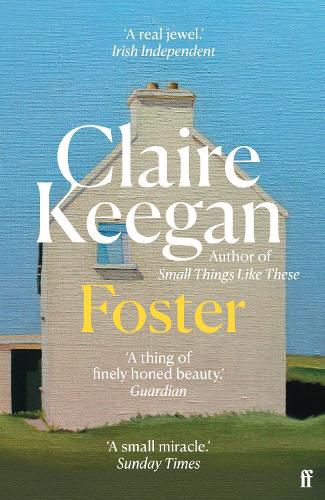
Then, there’s the foisted guest to consider. Claire Keegan’s The Foster, which I read as an essay in the New Yorker reduced me to tears. It’s about a young girl sent to live with a foster family, and it was filmed as ‘The Quiet Girl’ (my review of the film here). Keegan is masterful in the way that she can layer so much emotion and observation into a short story or novella.

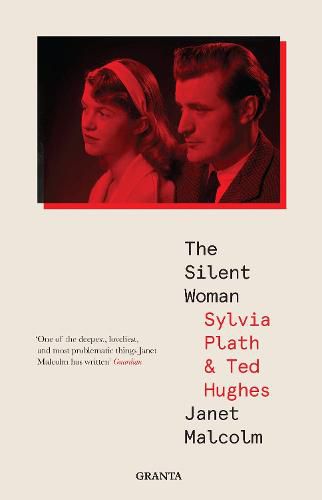
So I jump from a quiet girl to The Silent Woman. Janet Malcolm’s reflection on writing the biography of Sylvia Plath in the face of the hostility of Plath’s husband the poet Ted Hughes, is a treatise on the impossibility and responsibility of biography, the role and power of gatekeepers and knowledge, the definition of character through memories, impressions, anecdote and documents.

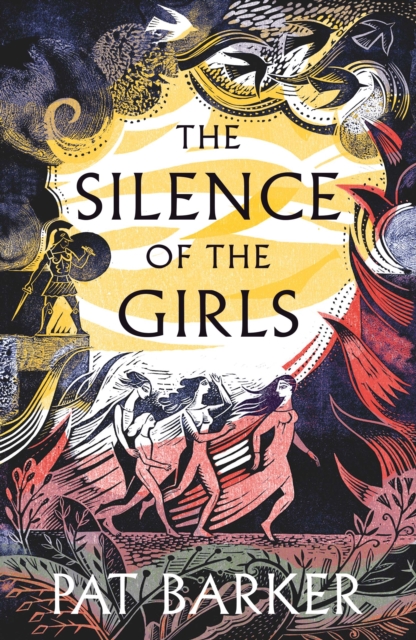
And while we’re with silent females, how about Pat Barker’s The Silence of the Girls. This historical fiction takes as its starting point the Siege of Troy, but it is told from the point of view of the women who are just a by-play in the battle between the Trojans and Aecheans. I must read the next book in the series which is on the TBR shelf.

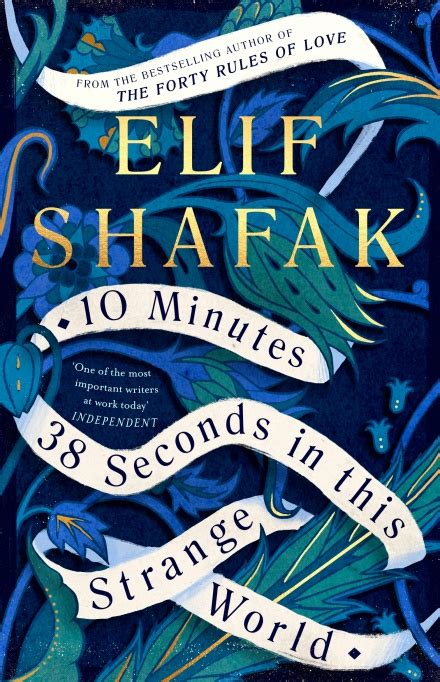
You can’t get much more silent than a dead body, and in Elif Shafak’s Ten Minutes 38 Seconds in this Strange World the gradual shut-down of memory of Leila’s murdered body stuffed into a rubbish bin in Istanbul takes us through post-WW2 Turkey (where, as it happens the ancient city of Troy was said to be located). I loved the first 2/3 of this book, but didn’t like the last 1/3 at all.

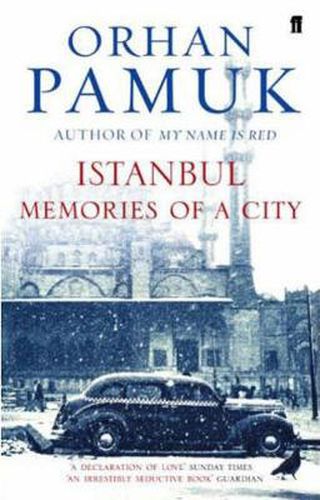
But I have always loved the idea of Istanbul, and mourn that with increasing age and rapidly narrowing travel prospects, I’m not likely to ever visit it. I’ll have to settle with Orhan Pamuk’s Istanbul: Memories and the City instead.

So, a Six Degrees rather dominated by female writers. Despite a reputation for garrulousness, perhaps women know far more than men about silence and safekeeping?

Six degrees of separation: from Dangerous Liaisons to….

It’s the first Saturday of the month- quite literally- and so it’s Six Degrees of Separation day. This meme, hosted by Kate at BooksAreMyFavouriteandBest involves her choosing a starting book, and then you linking six other books to it. This month she has chosen Pierre Choderlos de Laclos’ Dangerous Liaisons, which I haven’t read (as usual: I have rarely read the book she chooses!) but I have seen the movie, if that counts.

Dangerous Liaisons is an epistolary novel, and like probably everyone else, my mind leapt to other epistolary novels that I have read. But I’m going to start with a book that is not a novel at all: instead it is a collection of letters in Just Send Me Word: A True Story of Love and Survival in the Gulag by historian Orlando Figes. Figes has drawn from an archive of over 1300 letters written between Lev Mischenko, imprisoned in a Soviet gulag, to his partner Svetlana Ivanova who lives outside. Figes provides maps, photographs, explanations, and explains not only the minutiae of labour camp life, but also the sweep of Soviet politics on the outside during the time that Lev was imprisoned (my review here).

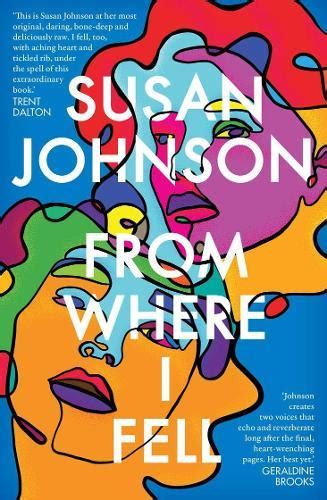
An epistolary novel of a more modern kind is found in Susan Johnston’s From Where I Fell . By mistake, a woman sends an email to what she thinks is her husbands’ email address, only to receive a reply from 64 year old Chrisanthi Woods, from Schenectady, New York , and the email correspondence continues (my review here).

But the 64 year old woman Chris, who works at SUNY in student enrolments is a brusque and snippy woman, and a dead ringer for Olive Kitteridge, who features in several books by Elizabeth Strout (my review here). Olive and Chris would get on well, although on second thoughts they probably wouldn’t.

Olive Kitteridge lives in Maine, and another book that starts in Maine is Julie Cohen’s Together as 80 year old Robbie, married to his wife Emily for decades, wakes up in the morning and decides to die. He has been diagnosed with dementia, and as he finds himself sinking into a fog of confusion, he fears that he will let slip a secret that he has held for many years. The book then goes backwards as we learn this secret. (My review here).

Another book that goes backwards in Sarah Waters’ The Night Watch, which traces through four main characters in London in 1947, 1944 and 1941. The heart of the book is the 1944 section set in London during the Blitz. (My review here).

A similar book is Francis Spufford’s Light Perpetual but this book takes the real-life tragedy of 168 people being killed at a Woolworths store in New Cross Road in a V-2 attack during WWII. Fifteen of those 168 were aged under 11. Spufford fictionalizes five of these children: sisters Jo and Valerie, Alec, Ben and Vernon. Spufford drops the bomb in the first pages, then jumps forward as if the five children were not killed. In fact, they were not even in the store. Instead, they lived lives untouched by that November 1944 attack- and this is the story of their lives. (My review here).

Novels feature heavy in my Six Degrees this month, with only one non-fiction. Next month’s book that Kate has selected is Prophet Song by Paul Lynch, and I won’t have read that either because it’s selected for the Ivanhoe Reading Circle in September.

Six Degrees of Separation: from ‘Intermezzo’ to …

First Saturday is Six Degrees Day, so once again I refer you to Kate’s page at BooksAreMyFavouriteandBest where she hosts this meme. It involves Kate choosing a starting book – in this case Sally Rooney’s Intermezzo and then you finding six other books that spring to mind. You can conceptually leap from one title to another, or you might have six books all joined thematically- it’s up to you.

I rarely have read the starting book, and this month is no exception. I haven’t read any Sally Rooney at all. So where to go? Well, ‘Intermezzo’ has a double z in it, and I’m rather fond of double-z because I have one in my surname. So… books with double z it is! The zz might be in the title, or in the author’s name.

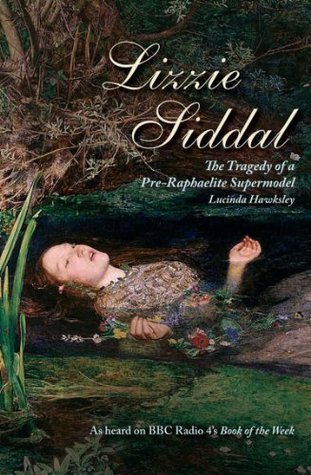
  1. Lizzie Siddal: The Tragedy of a Pre-Raphaelite Supermodel by Lucinda Hawksley. You’ve probably seen Lizzie Siddal because appears in many of the pre-Raphaelite paintings: thin, pale with long red hair. Working as a shop assistant in a hat shop, she was brought into the Pre-Raphaelite Brotherhood, a group of seven students who criticized the teaching of art in art schools, harking back to the rich colours and animated subject matter of Botticelli and other early Italian artists. She fell in love with Dante Rossetti, one of the original Brotherhood, but he had affairs with many other women and she became addicted to laudanum. This is a non-fiction book, written by historian Lucinda Hawsley, (Charles Dickens’ great great great grand-daughter), who often appears in British documentaries, especially about Victorian England. My review here.
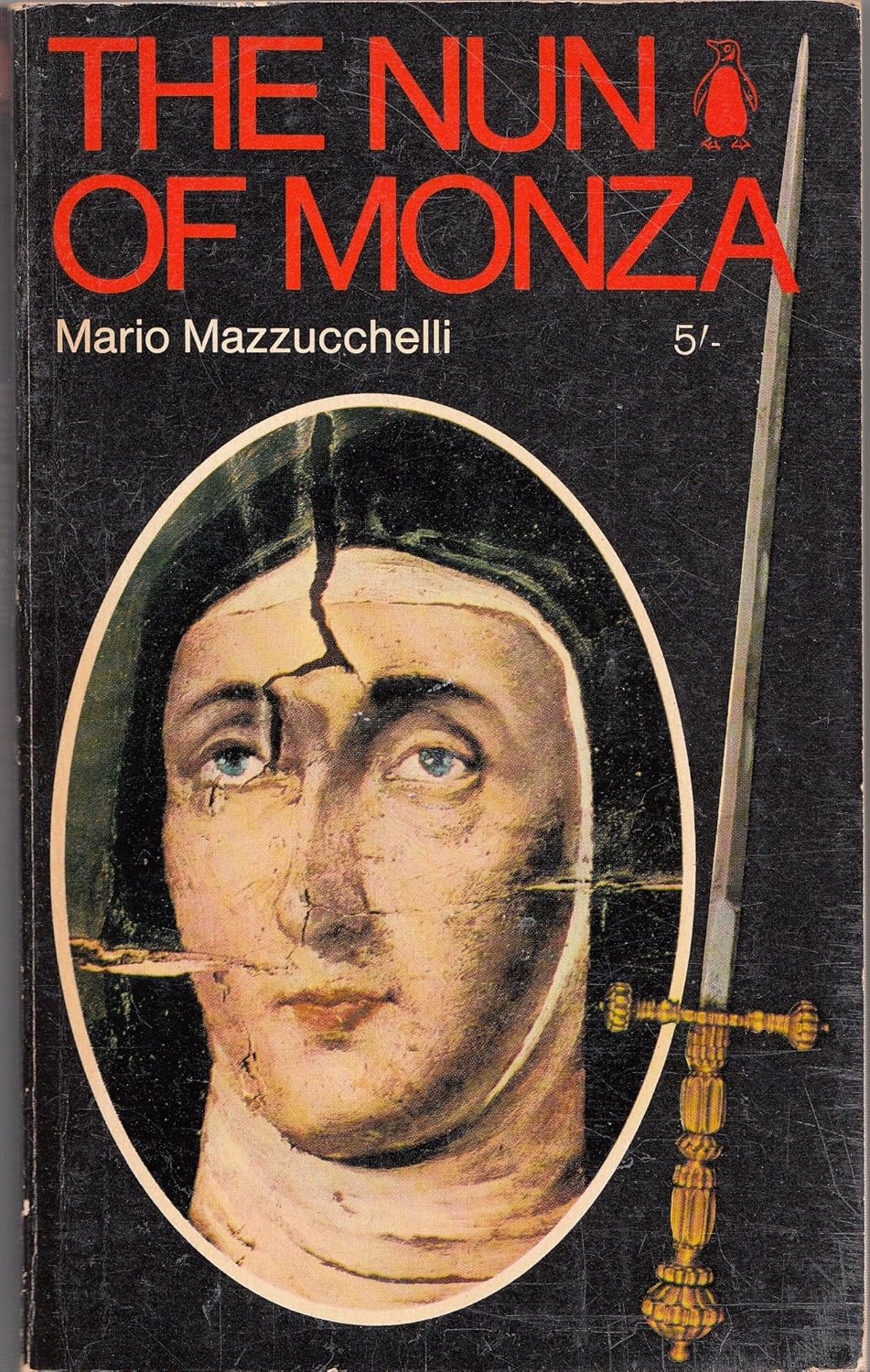
  2. The Nun of Monza by Mario Mazzucchelli I read this back in 2001, so I can’t remember all that much about it. It’s popular history, and it tells the story of Sister Virginia de Leyva, a nun in a convent in Spanish-controlled Milan in the 17th century. She has an 11-year affair with Gian Paolo Osio, the local rake. The one thing that stays with me (as a claustrophobe) is the horror of being ‘walled up’ as punishment for the affair.
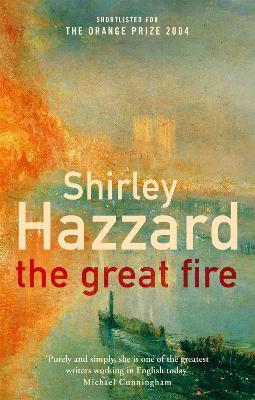
  3. The Great Fire by Shirley Hazzard. It’s only her double z that gets her onto this list, because I really didn’t think much of this book at all, even won the Miles Franklin and the National Book Award for Fiction in 2004, and was short-listed for the Orange Prize. It’s set in post WWII Asia, and it captures the stiffness of colonial pretension but it was wordy and complex and I didn’t like it one bit. You can read my review here (if I haven’t already put you off)
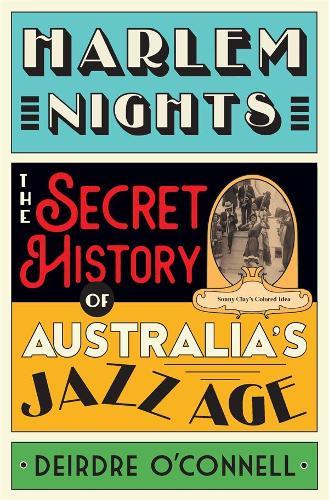
  4. Harlem Nights: the Secret History of Australia’s Jazz Age by Deirdre O’Connell On the 19th January 1928, the SS Sierra drew into Circular Quay. On board were seventeen members of the Colored Idea, an all-black Jazz revue comprising dancers, comedians, vocalists and musicians. They were deported from Australia less than three months later. Harlem Nights is the story of the Sydney and Melbourne legs of the Colored Idea’s Australian tour, but it is much more than that. It is the story of the international rise of African-American jazz; White Australia ; anxieties over the rise of the ‘girl’; media and celebrity; right-wing politics, and police corruption. It’s written by an academic historian, and it’s much more than just the story of a tour. You can read my review here.
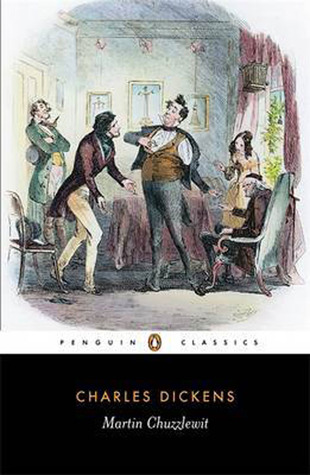
  5. Martin Chuzzlewit by Charles Dickens Another read from 2001. This is typical Dickens, with its tangled plot, a perceptive and satirical social and political eye, wonderful memorable characters who have become the stuff of English language itself (Sairy Gamp; Pecksniff) and a happy ending extolling the virtues of goodness and families. It was laugh-out-loud funny in places, and he really does get stuck into America and Americans.
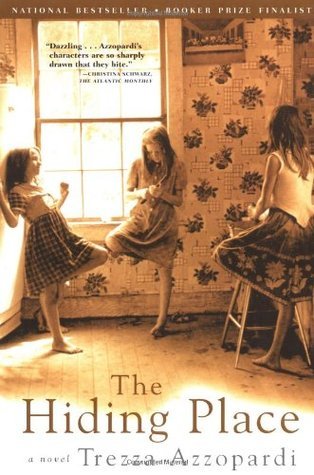
  6. The Hiding Place by Tezza Azzopardi. Two z’s is good; four is better. I read this about twenty years ago too. Despite the author’s z-laden name, it is actually set in Wales and it’s reminiscent of Angela’s Ashes in its depiction of poverty and childhood unhappiness. It was a Booker Prize finalist.

I’m quietly relieved that it’s only six degrees of separation, because I had come to the end of my list of books with zz. I hope I haven’t zzzz-d you to sleep!

Six degrees of separation: From ‘Long Island’ to…

At last! I have actually read the book with which Kate at BooksAreMyFavouriteandBest has started her Six Degrees meme this month. The idea is that she chooses a book, then you identify six titles that are linked either to the starting book or to each other: you can see the instructions here. The starting book is Colm Toibin’s Long Island (and you can read my review here)

So where does Long Island take me? Well, the main character Eilis leaves Brooklyn to return home to Ireland, and so this catapulted me to Michael Chabon’s Kavalier and Clay, which is also set in New York- but I read it before I started my blog. One of the images that stayed with me from Chabon’s book is of the young girls jumping to their deaths from the burning building of the Triangle Shirtwaister factory.

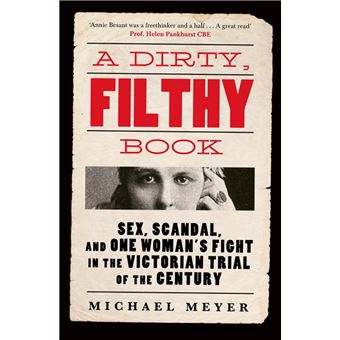
There was industrial bastardry on the other side of the globe in the early twentieth century too, and Annie Besant (pronounced to rhyme with ‘pleasant’) agitated on behalf of the London matchgirls working for Bryant and May. But this was just part of her amazing, varied life, described by Michael Meyer in his book A Dirty Filthy Book (see my review here) which focuses on the obscenity trial that Annie Besant and Charles Bradlaugh faced over their re-publication of a sex-education book. Annie was later to distance herself from this book when she embraced Theosophy.

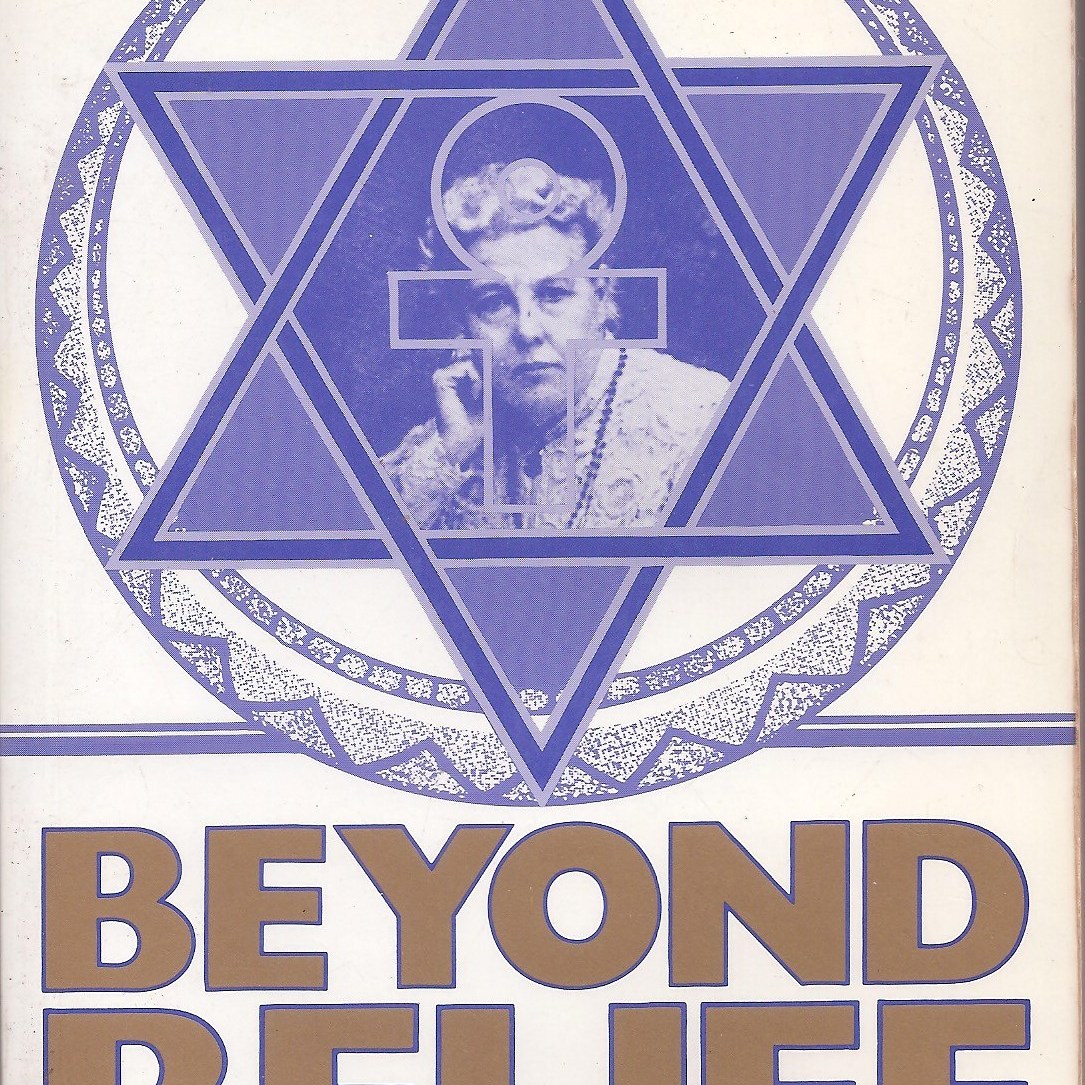
As an important figure in Theosophy, Annie Besant has a starring role in Jill Roe’s Beyond Belief: Theosophy in Australia 1879-1939 (see my review here), a 1986 book which I’m pleased to see has been republished as Searching for the Spirit: Theosophy in Australia 1879-1939.

Theosophy sparked the publication of a number of novels based on a belief in Lemuria- an Atlantis-like mega-continent encompassing the Himalayas, Madagascar, Tasmania, Greenland and Siberia before sinking into the sea because of volcanic activity. In these Lemurian novels, the centre of Australia was not desert, but instead an inland sea. Michael Cathcart talks about them in his book The Water Dreamers (my review here) .

A man who dreamed of bringing water to Central Australia was C. Y. O’Connor, who committed suicide when the water in the Goldfields Pipeline did not arrive when it was expected that it would. His daughter Kathleen saw herself ‘of’ Paris, even though she was born and died in Australia, after a long sojourn in Paris. Amanda Curtin tells her story in Kathleen O’Connor of Paris (my review here)

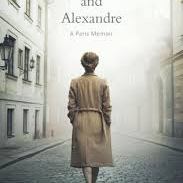
Poum and Alexandre: A Paris Memoir is Catherine de Saint Phalle’s memoir of her parents. The book is written in three parts: ‘Poum’ dealing with her mother Marie-Antoinette, nicknamed ‘Poum’ because of a childish game in bouncing down stair ‘poum, poum, poum’; ‘Alexandre’ dealing with her father; and then a final short coda involving both parents. The author was raised in England, away from her parents, and when she rejoined them in Paris, she could barely speak French and was thrown back into dependence on her eccentric and rather irresponsible parents. My review is here.

So I guess that I’ve globe trotted a bit here: from New York, to Australia, and then over to France. Where did your Six Degrees take you?

Six degrees of separation: From ‘After Story’ to…

It’s the first Saturday of the month so that means that it’s Six Degrees of Separation day. This meme, hosted by Kate at Books Are My Favourite and Best involves her choosing a starting book, then you linking the titles or themes of six other books. The starting book this month is Larissa Behrendt’s After Story which, true to form, I haven’t read. I’m not feeling particularly inspired, so I’m going to take the easy way out by linking six books that each have the word ‘after’ in the title.

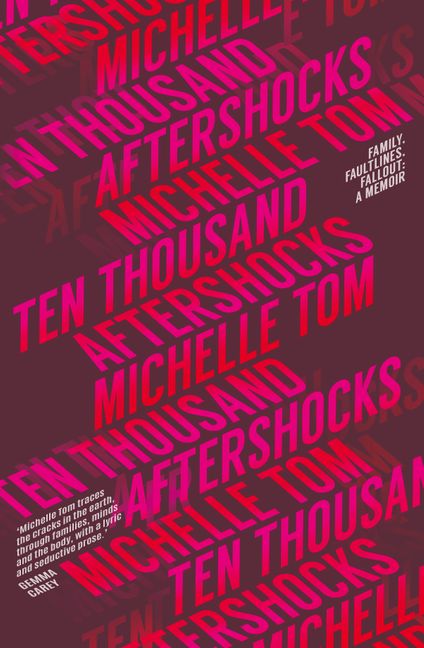
Ten Thousand Aftershocks by Michelle Tom is about the 2011 Christchurch earthquake. Tom uses the five stages of an earthquake as the organizing structure for her memoir of family trauma, but only the fourth stage deals directly with 22 February 2011. Actually, I wasn’t particularly impressed with this book, which was a series of splintered vignettes, and it almost turned me off reading memoirs. Almost, but not quite. You can read my rather snarky review here.

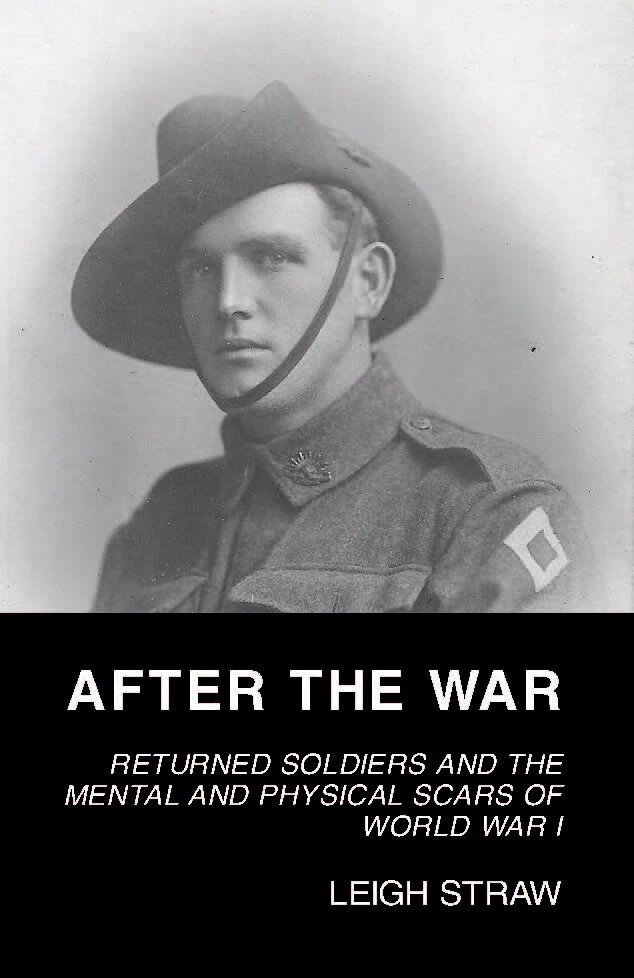
Leigh Straw’s After the War uses a family history connection to explore the mental and physical scars of World War I soldiers on their return to Australia. A newspaper report of a murder committed in 1929 by a man who shared the same name as her husband inspires her to explore the stories of fifteen men who enlisted in the war from Western Australia. Her book takes us through enlistment, fighting, and their return to Western Australia, with a particular focus on the difficulties they faced when returning to their families in a society limping through indifferent economic conditions towards the Depression. This is an easy book to read, despite its difficult themes. It is an academic text, but with its grounding in the lived experience of men and their families, it wears theory and argument lightly. My review is here.

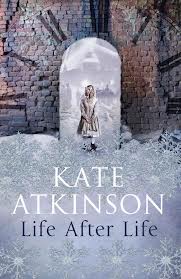
Kate Atkinson is one of my favourite writers, but I had my doubts about Life after Life. It ticked all my boxes as far as books are concerned: time travel (my guilty pleasure) and London during the Blitz. The book focuses on Ursula, who lives multiple lives, each marked by the falling of snow before the next life begins. I wasn’t convinced by the opening scenario, and I didn’t feel that the character was developed particularly well. I think that I saw a television series based on this book, and I enjoyed it much more than I did the book (which is unusual for me- it’s usually the other way around). My review is here.

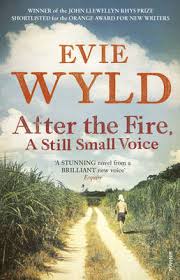
What a bad-tempered lot of reviews I have here! Evie Wyld’s After the Fire, a Small Still Voice was a very assured debut novel, but with an alternating story line between two men set 40 years apart, I found it too easy to put down. Both men are sent to war – the father to Korea, the father to Vietnam- and both men return damaged. They are both largely unreachable, encasing themselves in a masculine armour and impelled by a restlessness that deflects any attempts by others to reach the softer part of them. Here’s my review.

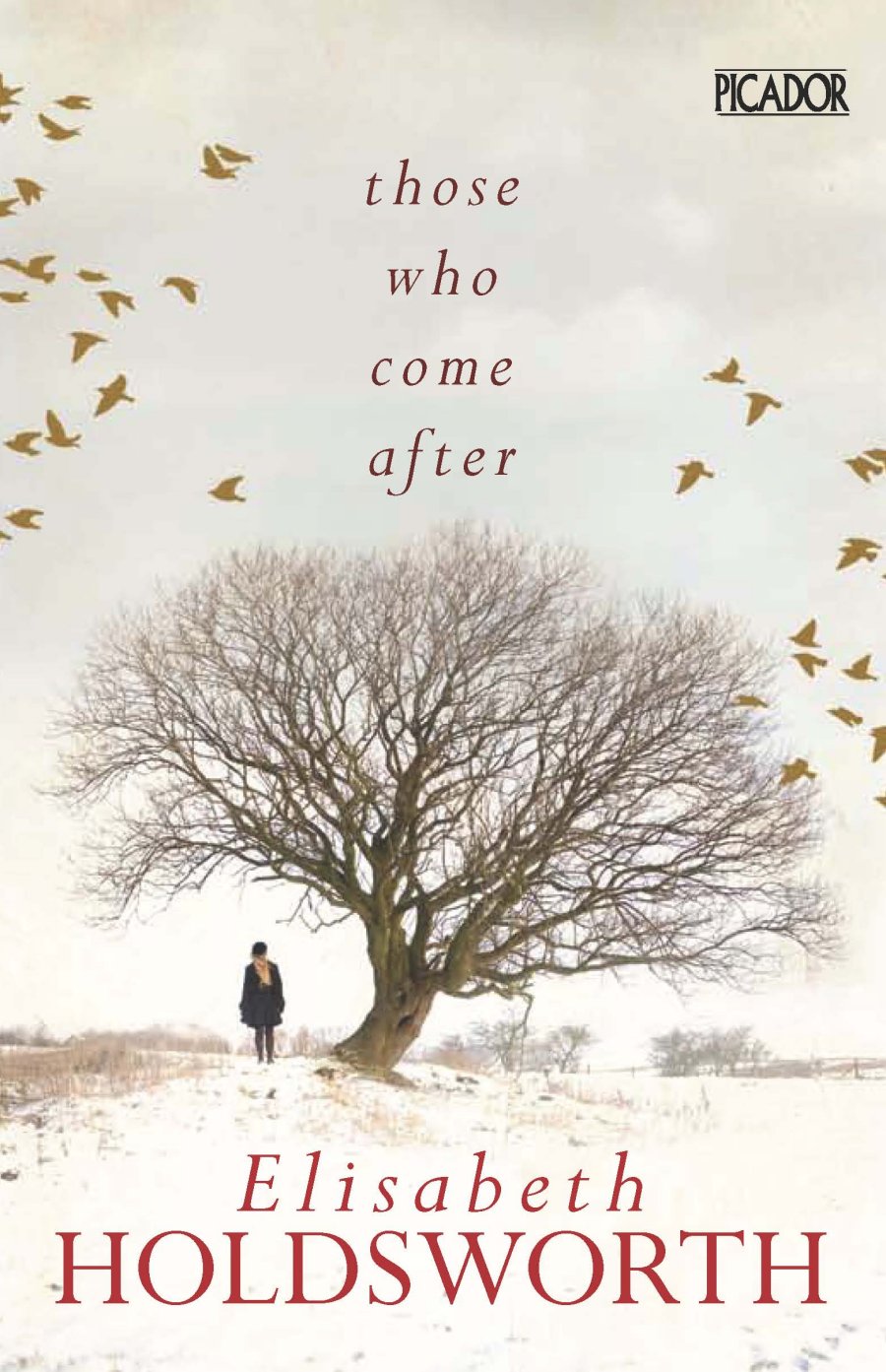
Did Elizabeth Holdsworth’s book Those Who Come After fare any better with me? I read this book largely on the strength of Holdsworth’s Calibre Prize winning essay in the Australian Book Review. It was a powerful read that combined history, memoir and reflection as a middle-aged, Dutch-born, now Australian narrator returned to her childhood home in Walcheren, a flat island sheltered from the sea by a network of dykes off the coast of Netherlands. But on reading the book, it seemed as if I was reading the essay again, except in a longer form. Here was the child, the old aristocratic family, the Jewish mother, the dykes, the flooding again, but now intertwined with a longer travel narrative and a migrant story as well. It was fuller, but somehow seemed emptier. My review is here.

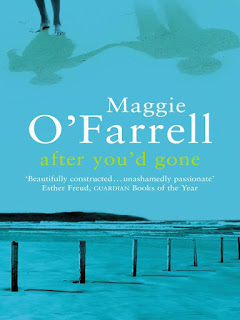
I read my final ‘after’ book, After You’d Gone by Maggie O’Farrell before I started writing this blog. Like many of these other books that I’d grumbled about here, there are shifts in narrator and tense and I couldn’t work out if the author was sloppy and undisciplined, or very good. By the end I plumped for the latter and even though it teetered on the edge of Mills and Boon, the quality of the writing anchored it.

What a lot of ill-tempered reviews! Perhaps I should avoid any book with ‘after’ in the title in future. If you’ve read any of these books, hopefully you enjoyed them more than I seem to have!

Six Degrees of Separation: From ‘The Museum of Modern Love’ to…

When I first saw the starting book for the August Six Degrees of Separation at Booksaremyfavouriteandbest’s page, I thought “At last! A starting book that I have actually read!” The idea of this meme is that Kate suggests a starting book, then you let your ideas bounce to six other books related (however tangentially) to the starting book.

But then, when I went back to check, I haven’t read The Museum of Modern Love at all. I got mixed up between that and my nearby art gallery, Heide, which is a Museum of Modern Art.

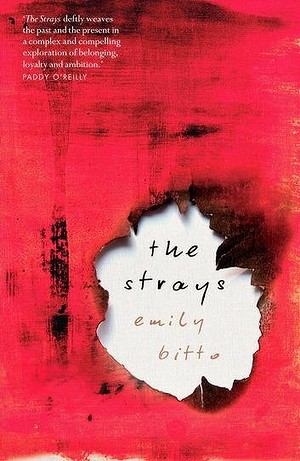
So my confusion gives me my starting book: The Strays by Emily Bitto (my review here), a fictional book which took its inspiration from John and Sunday’s life at Heide, which attracted modernist artists including Albert Tucker, Max Harris, Sidney Nolan, Barrett Reid, John Percival, the Boyds and Joy Hester to live communally in their farmhouse.
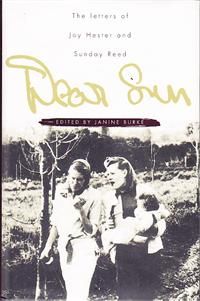
Although I read it long before I started this blog, I enjoyed Dear Sun, which was a collection of letters between Joy Hester and her friend and wealthy patron Sunday Reed from 1944 until Hester’s death in 1960. No fiction here: this is real life.
Speaking of artists, female artists Stella Bowen and Grace Cossington Smith feature in Drusilla Modjeska’s book Stravinsky’s Lunch, which I also read before I started my blog.

Artists need someone to sit for them, and Alex Miller explores this in his small book The Sitters. I wrote about it in my review “ostensibly it is a slight story about an elderly painter and a younger female sitter [but] the ghosts of his childhood are sitting, too. There are multiple sitters, not just one, and he is painting them present from their absence.” (My review is here)

Or how about a book where the narrator is not the artist, but the work itself? That’s what Angela O’Keeffe rather bravely attempts in her book Night Blue, about Jackson Pollock’s painting ‘Blue Poles’ although I’m not sure that she actually succeeded. (My review here)

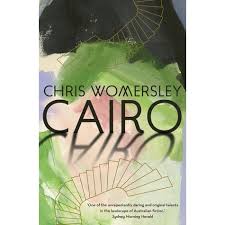
The painting in Cairo by Chris Womersley might not be one of the characters, but it certainly plays a role in the plot. Picasso’s ‘Weeping Woman’, one of the jewels of the National Gallery of Victoria’s collection, was stolen in real life in 1986, and it turns up in Womersley’s book which I just loved (as you can see in my review here).

Well, with three of these books set within 15 km of my home in Melbourne, I don’t seem to have moved very far this time!

Six Degrees of Separation: from ‘Butter’ to …

Well, it’s the first Saturday again, so that means its Six Degrees of Separation Day, hosted by Kate at Books Are My Favourite and Best. She chooses the starting book, then you think of six other titles that you have read that are related to the starting book in some way. Once again, I haven’t read the starting book Butter – haven’t even heard of it- so where to go now?

Well, Butter is nearly Butterfly which is yet another Sonya Hartnett book about brutal places where damaged children are lacerated by cruelty and neglect. Actually, I didn’t enjoy it at all (my review here)

There’s any number of books about damaged children, but one that I enjoyed more was Shuggie Bain by Douglas Stewart. It’s about a little boy growing up with his alcoholic mother, and Stewart catches well the emotional nuances of a child’s sense of obligation and persistence in keeping on hoping, and trying to keep a parent sober. My review is here.

Shuggie Bain was set in Scotland, which made me think of Don Watson’s Caledonia Australis, an excellent early (1984) book about the Highland Clearances in Scotland, and their contribution to emigration to Australia where similar hardships were being imposed on the indigenous people, often by Scots themselves. My review here.

I’ve read several historical and political books by Don Watson, but in Chloe Hooper’s Bedtime Story, Watson himself IS the story. Hooper is his wife, and she writes beautifully about his struggle with a rare and aggressive form of leukemia, and how to negotiate this territory with her six- and four- year old sons. I wanted to keep reading it, to acknowledge her humanity and generosity in sharing, such a vulnerable and intimate time, but I did feel as if I were intruding. My review here.

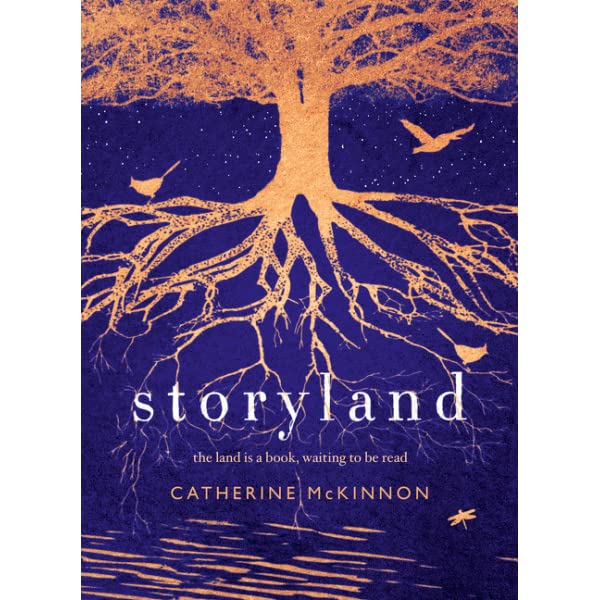
The idea of story leads me on to Catherine McKinnon’s Storyland. In this book each separate story builds chronologically onto the next one, with a link between each story until it reaches an apex, then goes back down again, revisiting each story in descending order. The stories are all set in the same geographical location: around Lake Illawarra (south of Sydney Cove and Botany Bay, near Wollongong). As the title and subtitle (‘the land is a book, waiting to be read’) suggest, the land is the unifying feature, although birds and a stone axe are also literary talismans that appear in each story. It’s a reflection on land, history, truth and omission. My review here.

Structurally, it was very similar to David Mitchell’s Cloud Atlas, which I felt was much better done and much less earnest. I loved Cloud Atlas, but I read it before I started blogging. So there’s no link to my review, but even the fact that I can still remember it suggests that it made quite an impression on me!

Six Degrees of Separation: from ‘A Dragon Apparent’ to ‘The Dismissal Dossier’

I am appalled that it is April already, and as it’s the first Saturday it’s time for Six Degrees of Separation Day. This meme, hosted by Kate at BooksAreMyFavouriteandBest involves starting off with one title, then linking six other books as they spring to mind. Kate usually chooses the starting book, but this month we were invited to start with “a travel book”.

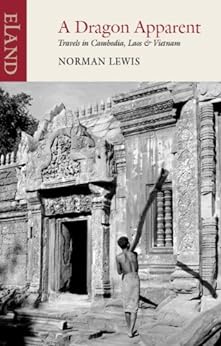
Well, as it turns out, I have just this week returned from travel, having visited my son and his family in Cambodia. This has been my second trip there, and I enjoyed reading Norman Lewis’ book A Dragon Apparent: Travels in Cambodia, Laos and Vietnam (my review here). It was written in 1951 and in parts is racist and stereotyping. So why would I want to read it? Mainly for its descriptions of landscape, the feeling of menace as he aligns himself with the French in an increasingly hostile environment, and the elegiac nostalgia for a lost time and lost culture, given all that was about to happen to these three countries in the following thirty years.

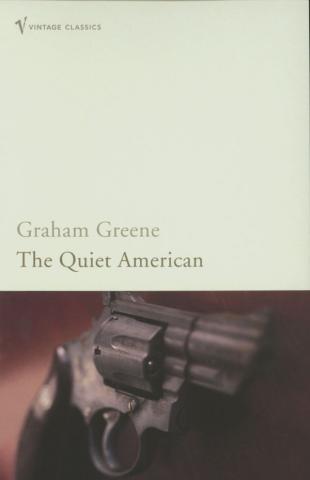
Graham Greene once said that Norman Lewis “is one of the best writers, not of any particular decade, but of our century”. High praise indeed. It is said that Lewis’ book inspired Greene to travel to Vietnam to write The Quiet American which I read before I started blogging. Both books share a reserved, observational tone.

The Quiet American in Greene’s book was Alden Pyle, a CIA agent, posted to Vietnam during the Cold War. Here in Australia we had our own secret agents and Cold War conspiracies, and these are fictionalized in Andrew Croome’s Document Z (my review here).

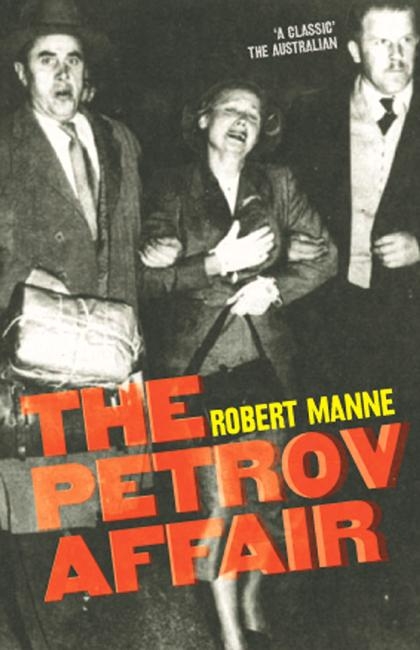
The unfictionalized version is explored in Robert Manne’s The Petrov Affair (again, read before I started blogging). I can’t imagine that anyone could add any more to Manne’s account.

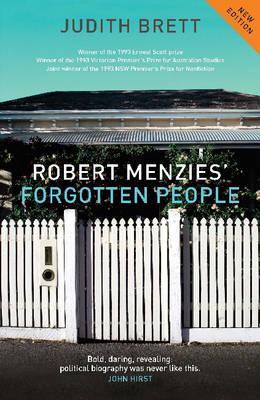
The Petrov Affair fed right into Robert Menzies’ unexpected victory over the Labor Party at the 1954 election. Judith Brett’s Menzies’ Forgotten People describes Menzies’ capture of the ‘middling type’ in Australia through his radio broadcasts and projection of a fatherly-type of Prime Minister that John Howard worked hard to emulate. I would hope that we’ve grown up enough not to need Daddy anymore.

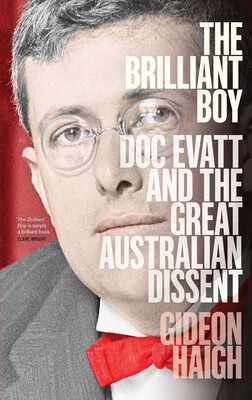
‘Doc’ Evatt was leader of the Opposition Labor Party in 1954, and he appeared as attorney for his staff members when the Petrov Affair culminated in the Royal Commission on Espionage . Gideon Haigh’s The Brilliant Boy explores Evatt’s career as historian, attorney, politician, Chief Justice and President of the UN General Assembly (my review here).

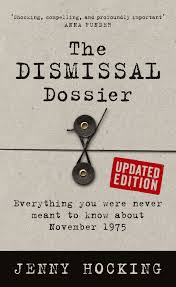
A later Governor-General who immersed himself in Evatt’s historical writing was Sir John Kerr, whose career has been criticized strongly by Jenny Hocking in The Dismissal Dossier (my review here). Hocking has been pursuing the correspondence between Kerr and the Palace for many years – the historian as heroine!

I seem to have immersed myself in politics here, which seems an odd tangent from a travel book!

Six degrees of separation: From Tom Lake to…

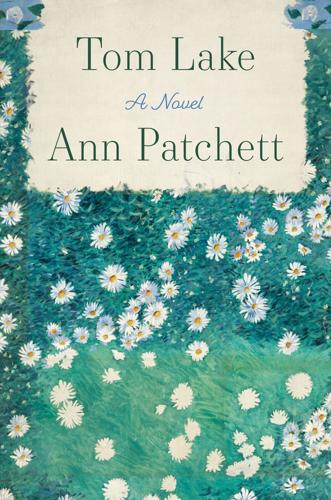
First Saturday, so it’s Six Degrees of Separation day, hosted by Kate at BooksAreMyFavouriteandBest. She chooses the starting book – in this case, Tom Lake by Ann Patchett- and participants think of six titles that they associate, springing from that original book.

Although I have read several Ann Patchett books, I haven’t read Tom Lake, but that’s par for the course because I almost never have read the books with which she starts her chain. This time I’m going completely by the title of the book, jumping from one word in the title to its use in the next title in the chain. I confess to having to resort to the sub-title at times, but it’s still on the front cover! So…Tom Lake…

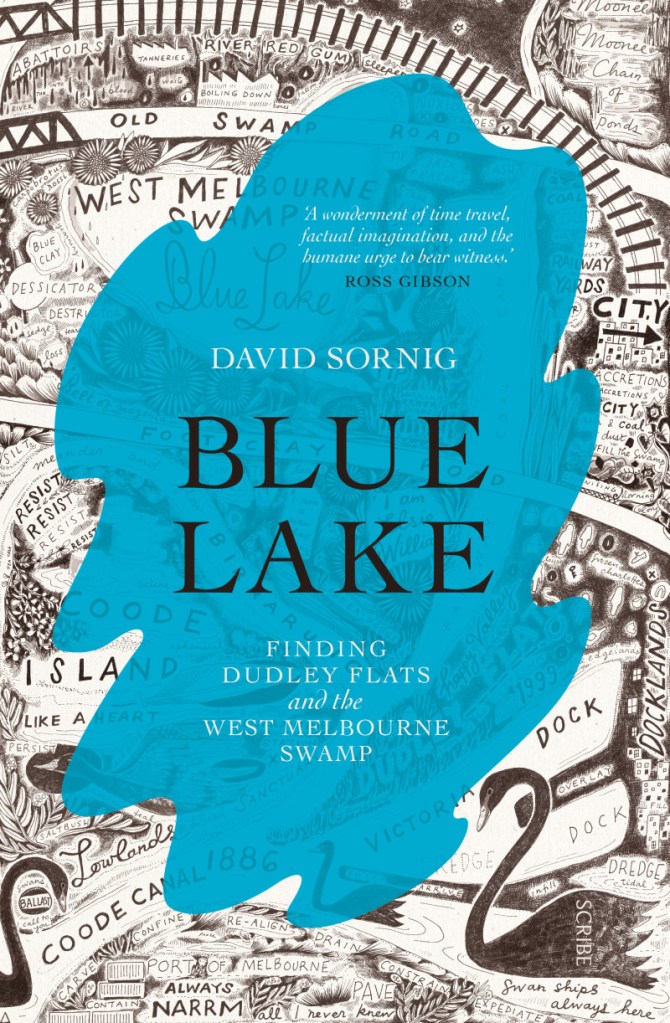
Blue Lake by David Sornig is subtitled ‘Finding Dudley Flats and the West Melbourne Swamp’ and it deservedly won the Judges’ Special Prize in the Victorian Community History Awards in 2019. Sornig describes himself a writer and a psychogeographer, not a historian, but this is beautifully written history that starts with Blue Lake, known variously as Batman’s Swamp, Batman’s Lagoon, the North Melbourne or West Melbourne swamp, now a vast construction site. The narrative shifts back and forward as the narrator walks – literally – what he called ‘the Zone’, while he also delves archives, sifts newspapers, follows up family history links. (Read my review here)

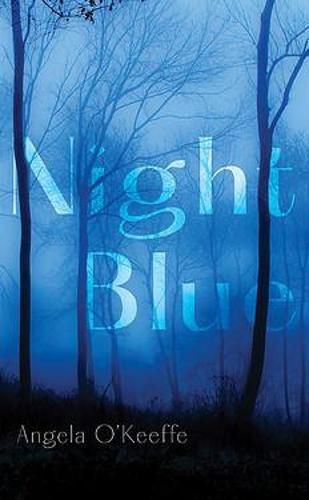
Night Blue by Angela O’Keeffe is about Jackson Pollock’s ‘Blue Poles’ painting. Presented in three parts, Parts I and III are told by Blue Poles the painting itself as narrator- something that requires the reader to suspend disbelief and cynicism. It is, as Yes Minister would say, a “courageous” narrative decision. Part II is told by Alyssa, an academic art historian, who many years earlier had done some conservation work on Blue Poles. I must admit that I found this second part of the book rather unsatisfactory, although it did work as vehicle by which the author could work in the factual information about the painting. (Read my review here)

Our Souls at Night by Kent Haruf is a simple, affirming, grown-up book and an absolute gem! It’s only 179 broadly spaced pages long, but it’s gentle and wise and sad and when I finished it too late into the night, I sat in bed and cried. (Read my review here).

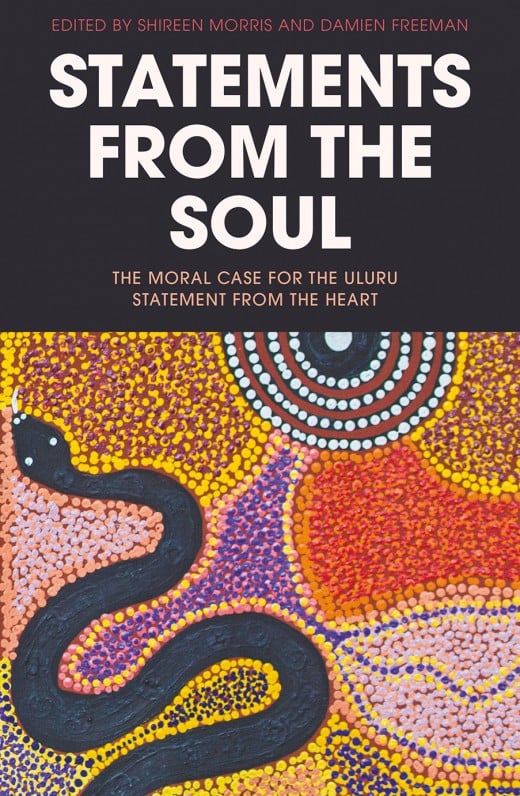
Statements from the Soul: The Moral Case for the Uluru Statement edited by Shireen Morris and Damien Freeman. Although the Uluru Statement comes ‘from the heart’, it is not hard to sense its moral force. Religion does not have a monopoly on moral thinking, but this particular volume contains essays from people of faith, speaking about their moral response to the Uluru Statement and talking about the elements of their own faith that have brought them to that position. I am heart-broken that moral force was not enough. (Read my review here).

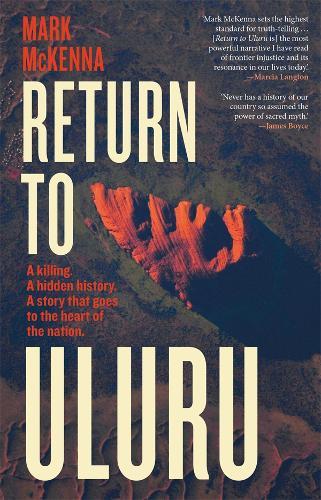
Return to Uluru by Mark McKenna explores the shooting of Anangu man Yokununna in a cave nestling within Uluru by Northern Territory policeman Bill McKinnon back in 1934. I sometimes bridle at the historian-as-detective trope that is used to pump up the narrative in order to make a history more ‘saleable’, but here it is absolutely justified. Coming to a case some 80 years later, and in a world where the politics of indigenous history are changing but still contested, McKenna tracks down some interesting leads and sources, some of which make him reflect on the sheer, remorseless plunder of indigenous country, others which challenge the ethics of doing history. (Read my review here)

Australian writer Christopher Koch makes a return, too, in his book The Many Coloured Land: Return to Ireland. As a reader, I have little red flags that pop up when authors do particular things. I must confess that when the book started with family history, I inwardly groaned. Family history, while fascinating to the descendant, can be rather eye-glazing for other people, unless it’s contextualized and the author has convinced you that it’s going to be worth your while. Nor do I enjoy descriptions of food, and I don’t really care what people look like. This book violated all of these no-go zones at times. Nonetheless, I really enjoyed it. It’s a beautifully written plaiting-together of historic research, family history, travel narrative and memoir. (Read my review here).

I seem to have travelled all over the place in my chain: West Melbourne, Canberra, a small town in Colorado, Uluru and finally Ireland.