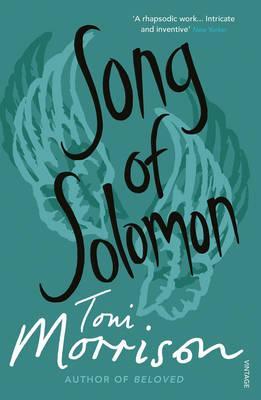
I have read this book twice and both times, to my regret, I have failed to write about it in any detail immediately after reading it. Perhaps it’s because the book itself is so complex and masterful that I have barely known where to start. I still don’t. There were more than twenty years between my two readings, so on my re-reading, it was as if I were coming to the book for the first time. I was just as impressed the second time as I had been the first. After reading some pretty mediocre writing recently, it was like handing myself over to someone who can really write. I love books that have a circular structure, where the actions in the opening pages are mirrored in the last. The book opens with Robert Smith, the insurance agent, jumping from the roof of Mercy Hospital in 1931, and it ends with Macon Dead Jr. making his own leap. In between these two flights, Morrison takes us on a Quest novel from the northern states of America to the south in Virginia – the opposite direction to the flight from slavery- and across American history from Reconstruction through to the Civil Rights movement.
The book is too complex, and too much time has elapsed for me to write about it. Suffice to say that it is a book that merits reading and re-reading and reading once again. It combines magic realism with real-life historical events; it is a meditation on naming and the loss of names; it reflects folk-knowledge and music- there is just so much here, layer upon layer. It is magnificent.
My rating: 10/10
Sourced from: Readings. My own print copy
Read because: Ivanhoe Reading Circle March 2022 book.
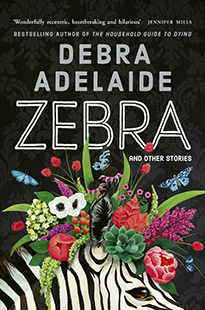
I have a rather ambivalent attitude towards short stories, and I find them very hard to review beyond merely summarizing them. Finally, after many decades, I have worked out that I enjoy them most when I read just one story at a sitting, no matter how brief, and leave it to percolate overnight until moving on to the next one. They are also very good for late-night reading when you’re too tired to read anything that involves memorizing actions or characters beyond that one act of reading.
However, I do like Debra Adelaide’s short stories. Flipping through the book beside me now, I can recognize and remember nearly each story on reading a paragraph or two (my test of whether a story has ‘stuck’ or not). The stories are arranged into three parts on the basis of whether they are narrated in first, second or third person, and the final story ‘Zebra’ is more novella than short-story at 121 pages.
First Part starts with ‘Dismembering’ where we see a woman who has a vivid dream that she and her ex-husband dismembered a corpse which they buried in her back garden. She is so un-nerved by the dream that she begins divesting herself of all the possessions that she had brought to her second marriage in what seems to be a steady mental unravelling. ‘Welcome to Country’ sees another form of cleaning-out as a woman, in a near-future Australia, begins gathering together her now-absent son’s belongings from the 1990s to take to ‘Country’, a fenced off, separate outback community where a mean-spirited government holds those claiming ‘sovereignty’ or refusing to conform, in perpetual detention. ‘A Fine Day’ a woman visits her friend Alex, who is trying to get his ex-wife to return to him. His ex-wife Helen, doesn’t want to be found despite her own loneliness. The story has a very Chekhovian ending.
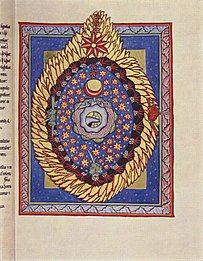
The Second Part starts with ‘Festive Food for the Whole Family’ which I very much enjoyed, given that I was reading it just before Christmas. Given in the form of advice, like a magazine article, it talks about how the successful Christmas host will prepare food to meet all the dietary requirements of demanding guests. Meanwhile, her husband is becoming increasingly familiar with his sister-in-law and so the carving knife comes in handy. ‘How to Mend a Broken Heart’ is a description of the “leaden numbing pain” that sets your body in turmoil and makes even the slightest job, like shopping, an ordeal. ‘Migraine for Beginners’ is obviously written by someone who has experienced migraines (although, for me, my migraines are more of the Hildegarde von Bingen variety- see below). ‘The Master Shavers’ Association of Paradise’ is set in an offshore refugee ‘facility’ which is certainly notParadise, where a young boy establishes a barber shop as a way of filling in time until he can move to the mainland.
Wikipedia
The Third section starts with a lovely story ‘Carry Your Heart’ where a woman meets a man in a bookshop- what book lover could not respond to a romance in a bookshop? In ‘I am at Home Now’ Debra Adelaide writes from the perspective of Mrs Phillips, who cared for Bennelong, when he travelled to England with another indigenous man Yemmerrawanne in 1792 with Governor Phillip. ‘No Hot Drinks in the Ward’ takes us to the children’s cancer ward of a hospital, where a mother with a sick child has been tossed into a world she never wanted to be part of. ‘Nourishment’ carries on this theme, where a wife is visiting her husband in hospital, where he is fasting before surgery. In ‘The Recovery Position’ Cate is an ex-soldier, now conducting workplace training in First Aid classes. Teaching CPR triggers her memory of returning to Tarin Kowt with Trooper Brad Innes in a helicopter. ‘Wipe Away Your Tears’ starts in a plane over Istanbul as a couple visit Gallipoli. Her husband, Harry, is searching for the grave of his great-grandfather but he has not properly mourned his brother Johnny, who had died in a car accident.
‘Zebra’ is by far the longest story in the book. Set in the Lodge in Canberra, there is a female P.M. who reminds us just a little of Julia Gillard. She is unmarried, calm, unhurried and she finds herself drawn to the beauty of the gardens around the lodge where she discovers that her neighbour, Kerr, has been surreptitiously shifting the fence. Somehow she manages to float above all the political turmoil, and she finds a still point in the gift of a zebra which arrives unsolicited at the Lodge. She is lonely, and attracted to her staffer, but is fearful of being spurned. It is all a bit fey and implausible, and but then again…look at Gladys. Who would have thought that romance could haunt the corridors of power?
So, all in all, a strong selection of stories that I felt perfectly happy to pick up each night. I think that ‘Zebra’ will remain in my mind because it was so strange, and I may think of ‘Festive Food for the Whole Family’ next Christmas (and send up a silent prayer of thanks that my own Christmases are much more pleasant occasions.)
Rating: who knows. I can never rate collections of short stories.
I always forget to do this “I’ve finished!” post once I’ve met my self-selected target for books written by Australian women writers. But this year I have an excuse: I didn’t reach my target of twenty-five books, and I didn’t really read more fiction either, even though I vowed to do so.
Here’s what I did read in alphabetical order by surname:
During lockdown, we planned all sorts of little trips. Lockdown finished, but we felt a bit reluctant. Then the BIG lockdown was imposed and that was the end of that. I had some trips back and forth to the Mornington Peninsula in January, then ANOTHER short lockdown. Jeez- you wouldn’t want to book tickets anywhere, we thought.
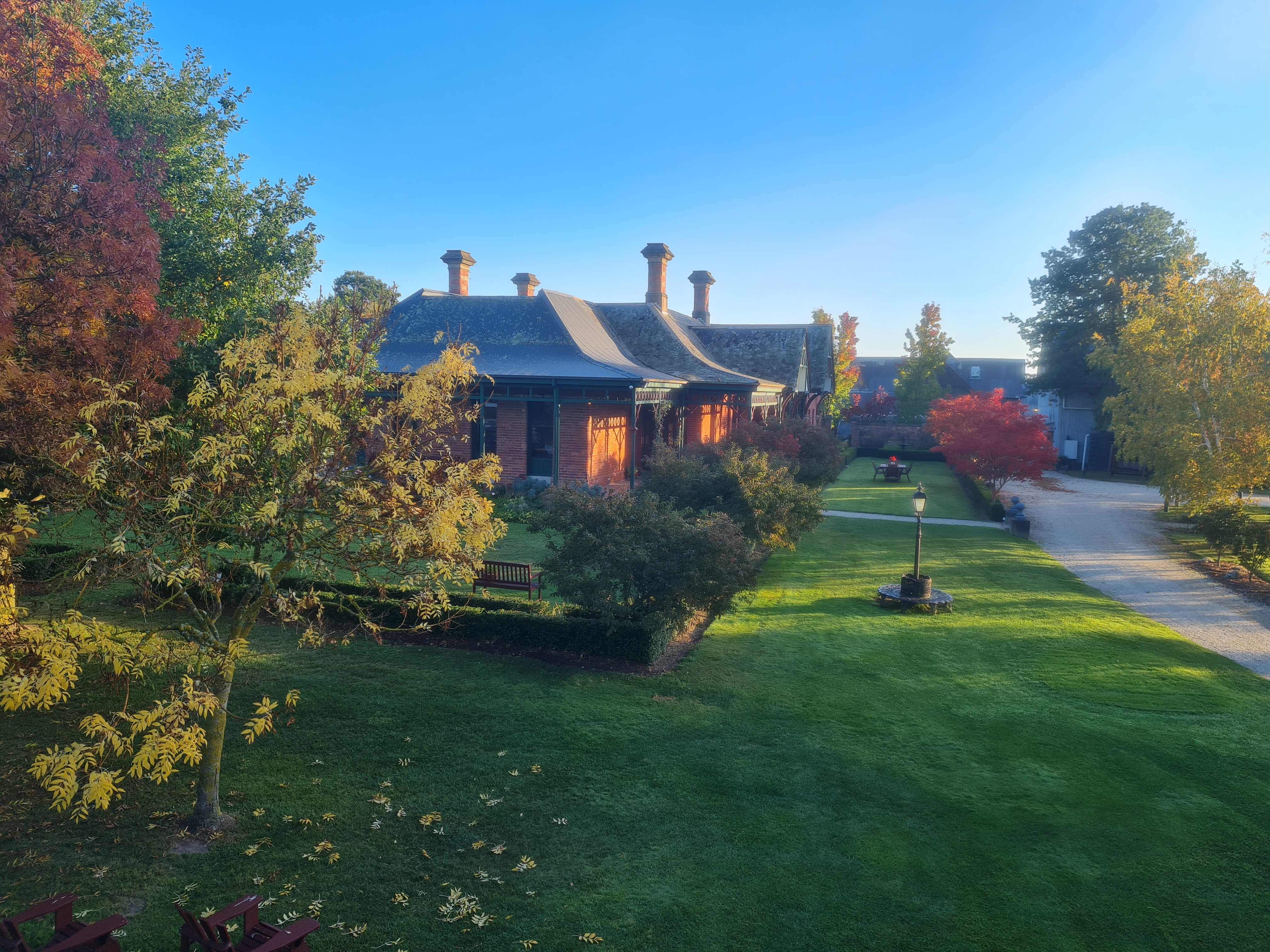
So when a couple of beautiful days were forecast for the end of April, we decided on the spur of the moment, to desert the cat and go to Mt Macedon to look at the autumn leaves. Most of the places we looked out were booked out, so we spread our net further afield and ended up at Cleveland Winery, in Lancefield.
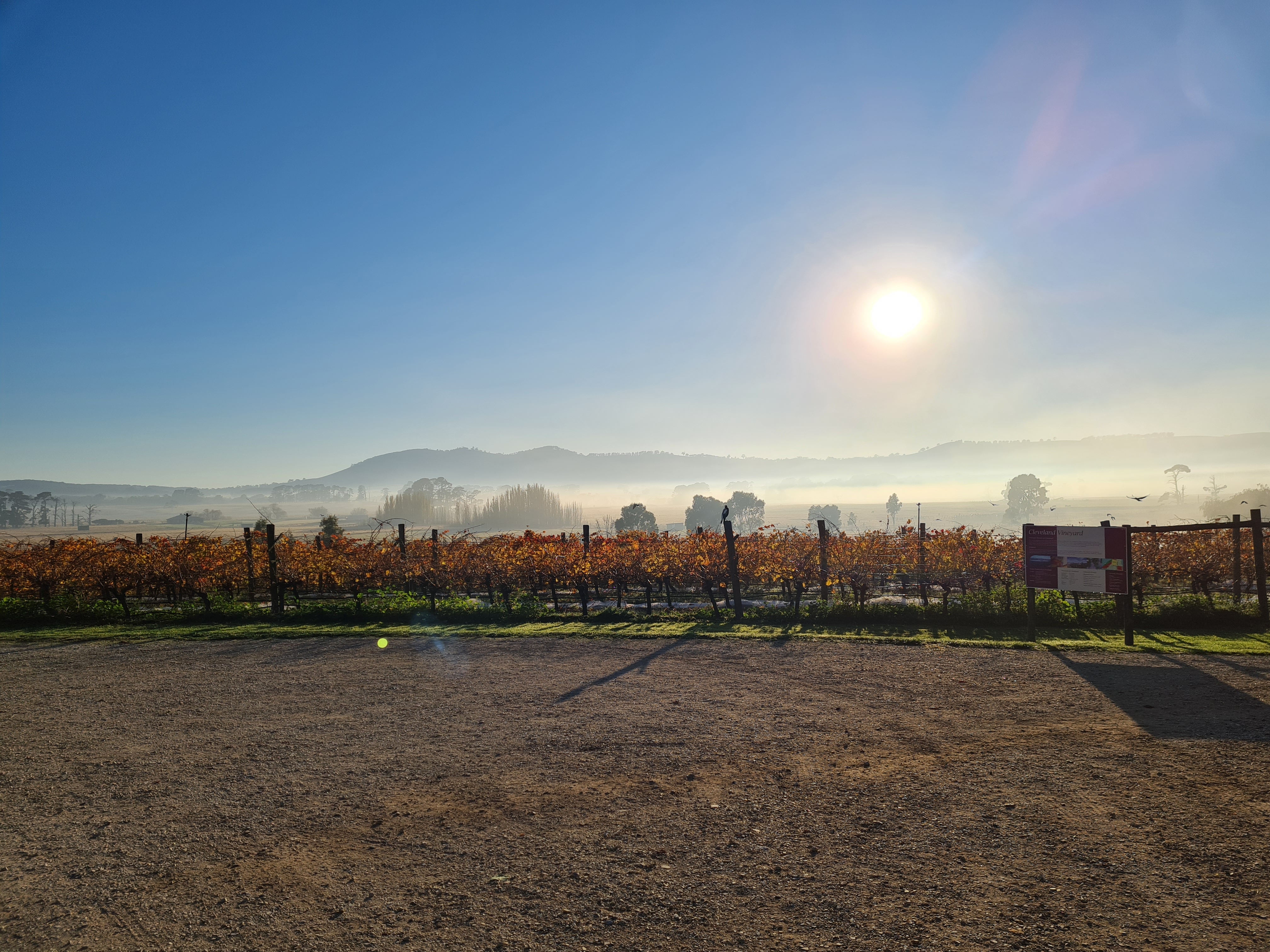
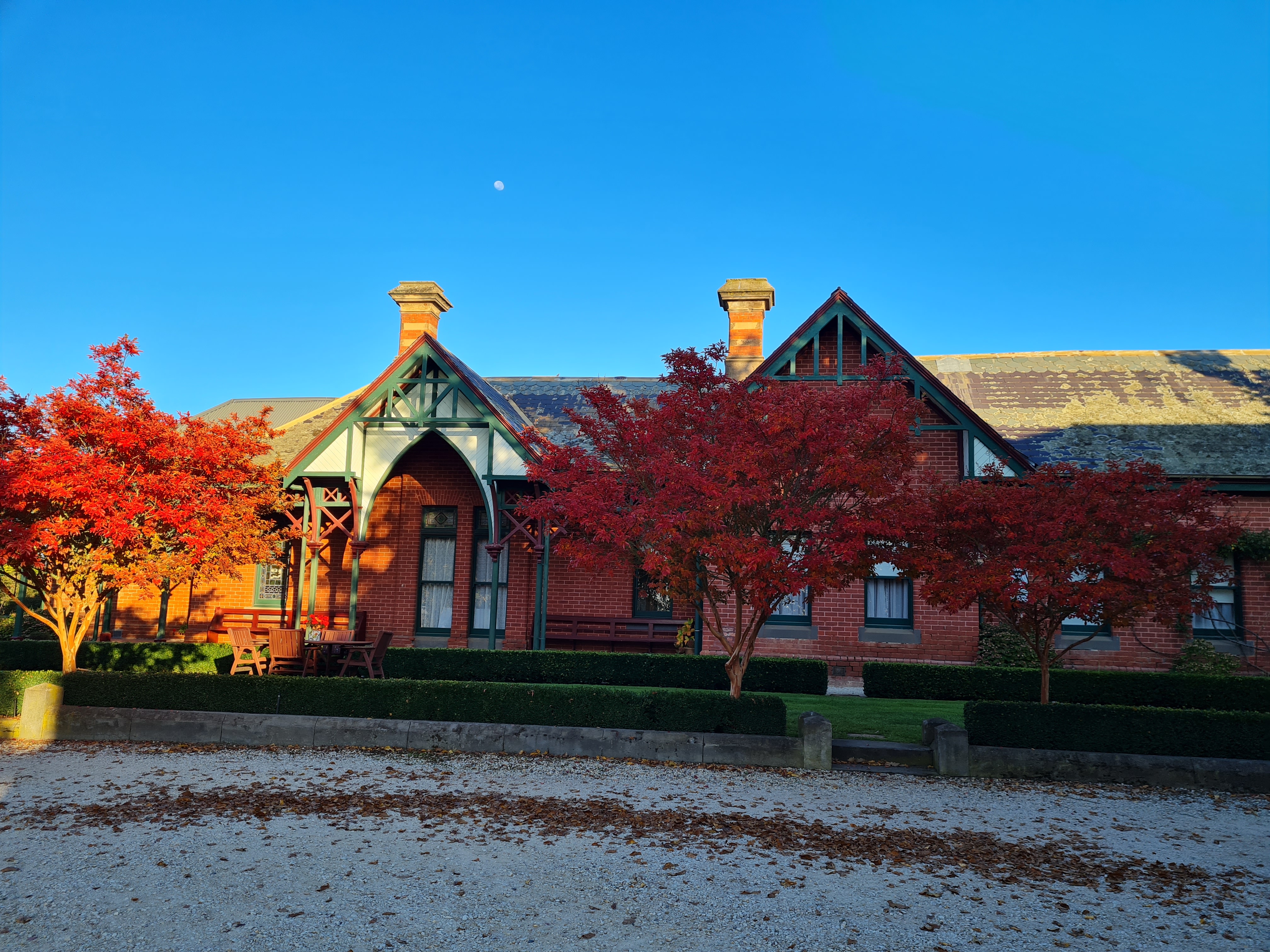
Beautiful place. We didn’t stay in the old 1880s house (unfortunately) but in the guest suites nearby. We woke up to the sun rising over the mist that clung to the vineyards. Quite beautiful
The sun rising over the vineyards
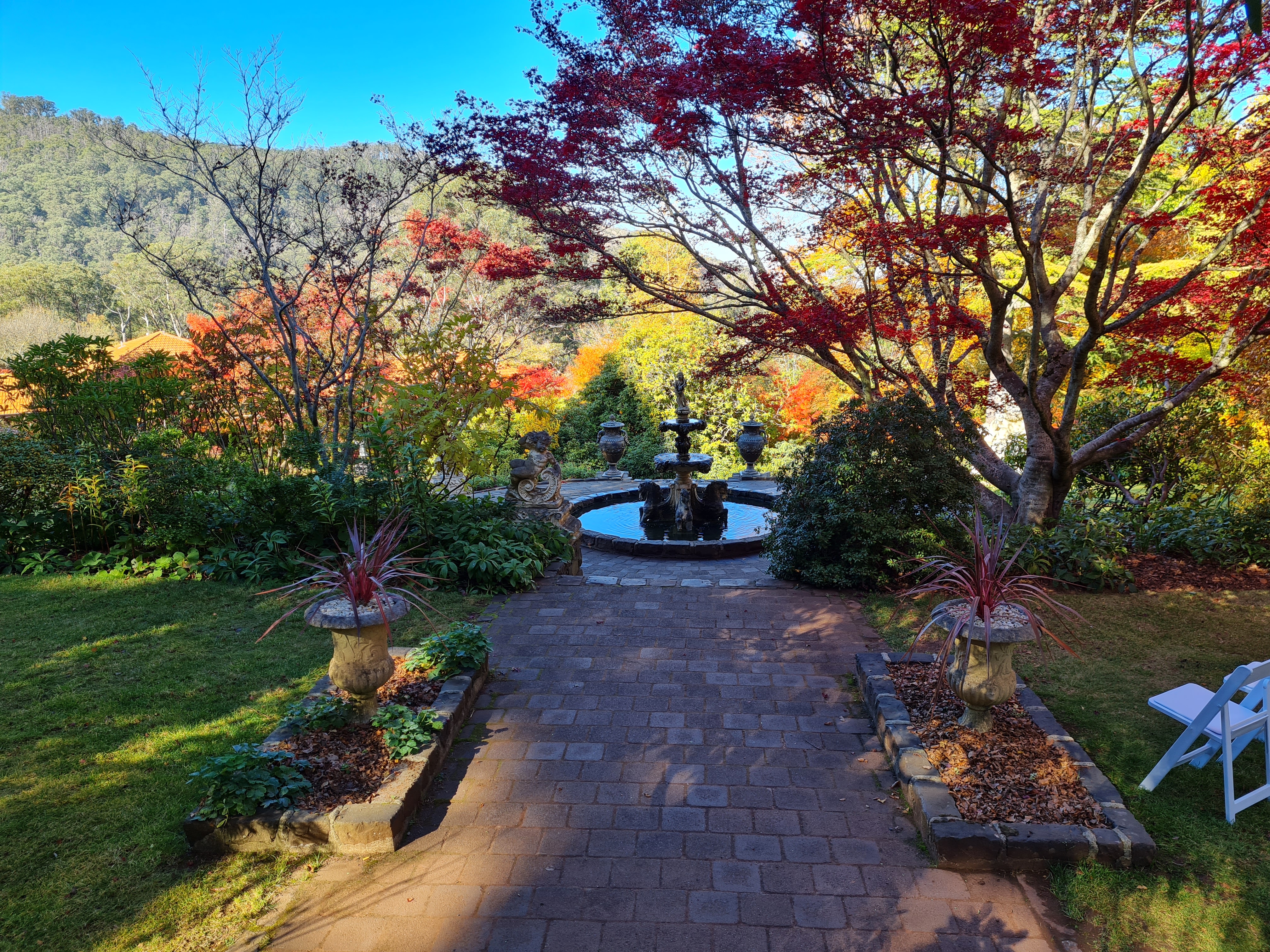
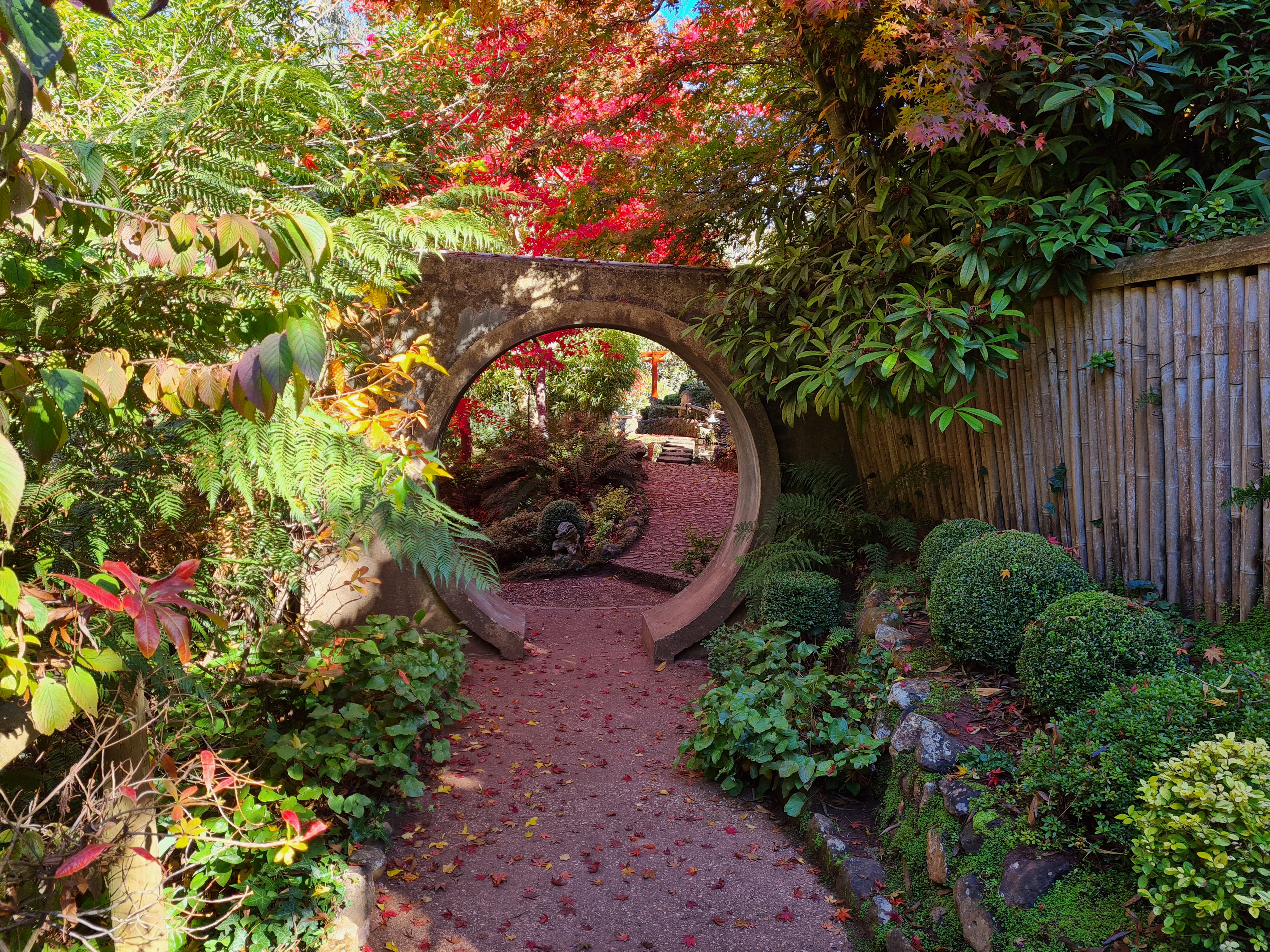
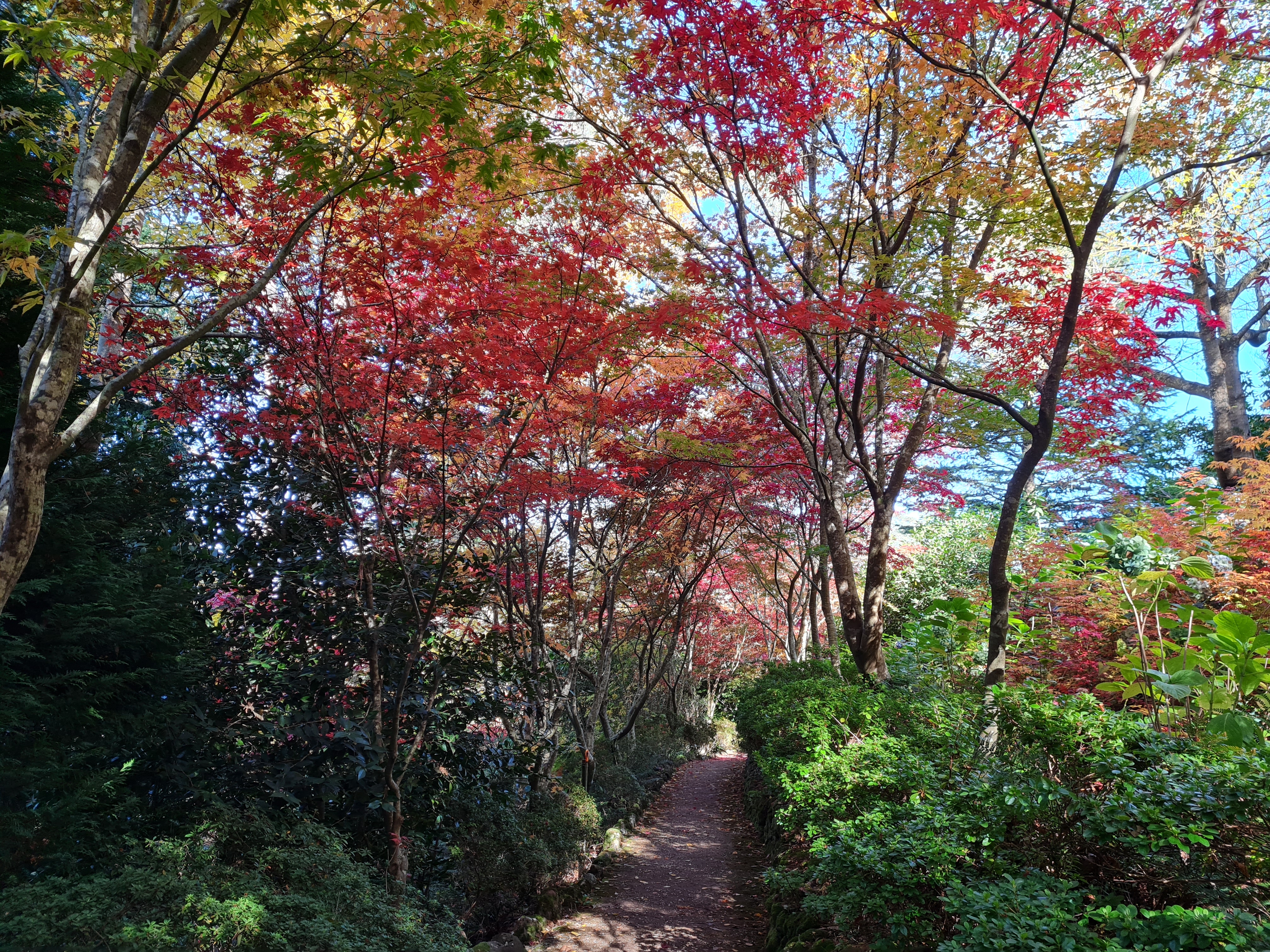
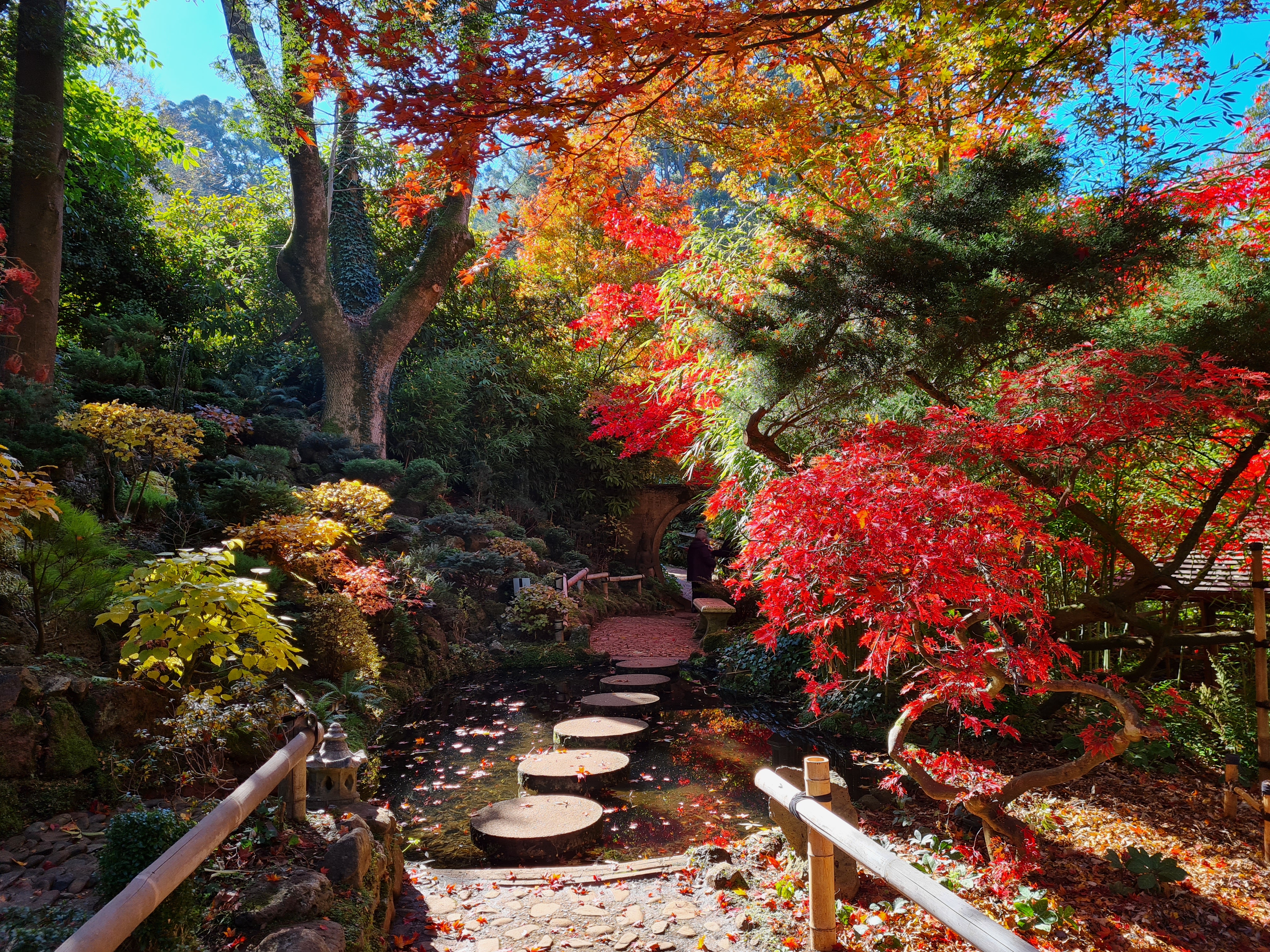
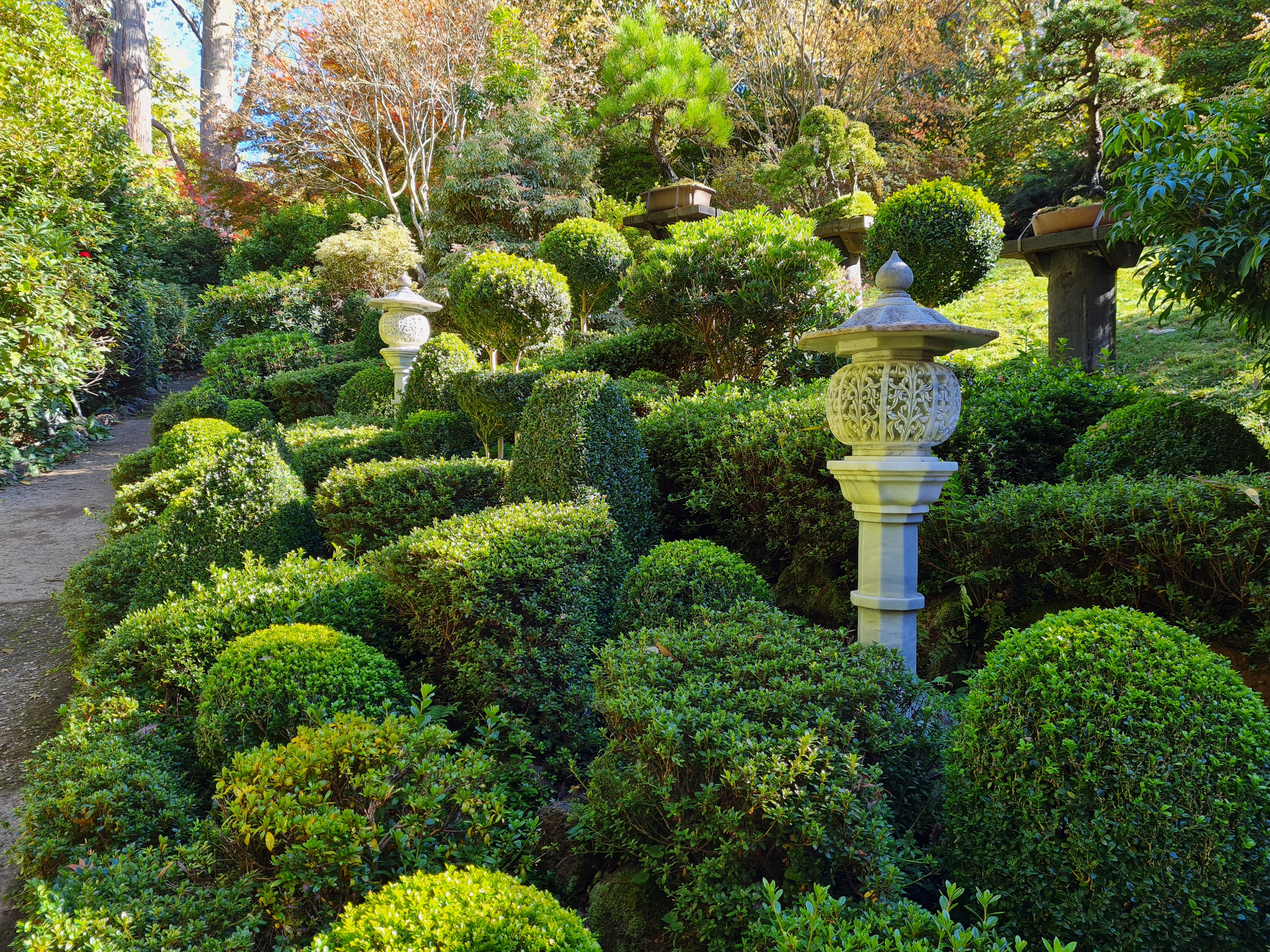
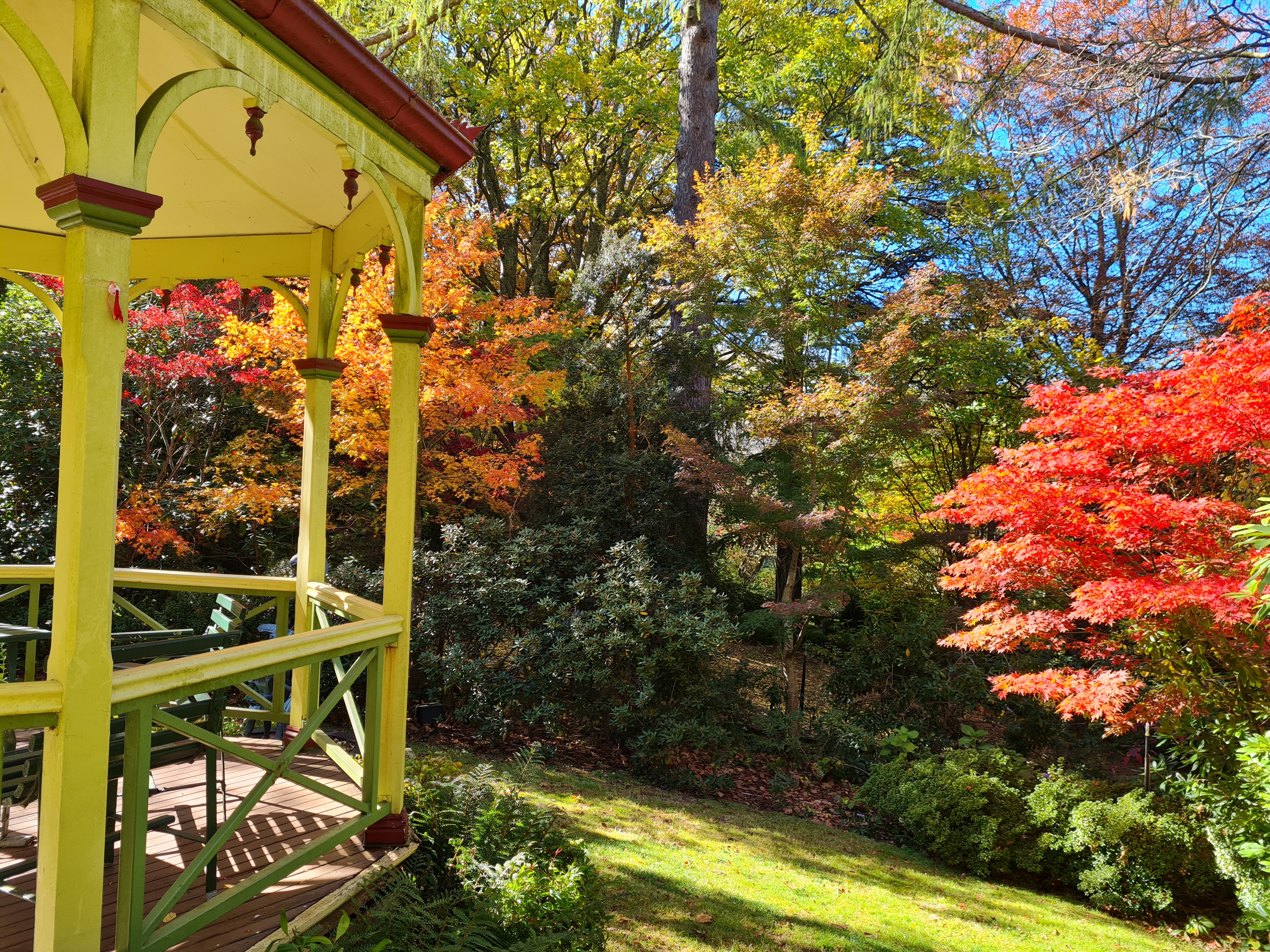
We were on the hunt for autumn colour, and Forest Glade gardens delivered in spades. I wasn’t aware of using a filter on the photos- I think that they really were this colour. Absolutely spectacular
There was going to be a wedding that afternoon.The Japanese GardenThe Maple WalkMore of the Japanese GardenI do like a bit of topiaryThe gazebo
It was lovely to get out of Melbourne. And who would have thought that you could get so much pleasure from the paper strap over the toilet suite assuring you that it is sanitized, pillows that are too plump to sleep on, and little dobs of Vegemite in plastic sachets?
The History Hour (BBC) This program focuses on historical events, mostly in living memory and it seems to be presented by journalists rather than historians (I may be wrong on this). The Black Jesus episode looks at the Rev Albert Cleage who re-named his Detroit Church in 1967 as ‘The Shrine of the Black Madonna’, replacing a stained glass window of Mary with a large painting of a black Mary and black baby Jesus. He did not agree with Martin Luther King’s inclusion of white activists in his protests, and he argued that if man was made in God’s image, then it was likely that he was black as most of the world’s population is non-white. There’s also a segment about Margaret Thatcher being interviewed by Soviet journalists on television in 1987, a discussion of the effect of Karen Carpenter’s death on the discussion of anorexia, and the story of two Englishmen who were kidnapped by FARC guerillas in Columbia while they were hunting for orchids.
Heather Cox Richardson talked on 12 March, answering one of the questions she is most commonly asked: When did the Republicans (progressive) and Democrats (conservative) swap? She starts off by reminding us that when the Constitution was written, there weren’t parties at all. She pins the swap mainly to the 1960s when Barry Goldwater ran. This is a good, stand-along episode to explain something which previously seemed quite baffling.
Fifteen Minute History is almost never 15 minutes, but it is still short. It´s produced at the University of Texas at Austin, where PhD candidates interview historians about their recent publications. In Episode 130: Black Reconstruction in Indian Territory, Alaina Roberts discusses her new book I’ve Been Here All the While: Black Freedom on Native Land. An African-American herself, she has always been aware that her family owned land in Oklahoma, and she wondered how that came about. She found herself exploring the connections between previously-enslaved African-Americans and Native Americans. Some were themselves enslaved by Native Americans, while others moved into Native Land as part of Reconstruction. I had to listen to this twice to make sense of the distinctions because this history is new to me.
Big Ideas (ABC) I have recently read Anne Applebaum’s book The Twilight of Democracy, and so I was interested to hear this interview with Applebaum Democracy Under Threat recorded at the Adelaide Writers Festival in March 2021, where she is interviewed by Sally Warhaft. You don’t need to have read the book to enjoy the interview.
I haven’t read the starting book for Six Degrees of Separation in March. It’s Julia Baird’s Phosphorescence and it’s sitting beside the bed unread. In fact, I had to look up what phosphorescence actually IS and I find that it is a sort of light. So, for the March Six Degrees, I’ll go with the theme of ‘light’. You can read the ‘rules’ for Six Degrees of Separation on Kate’s Books are my Favourite and Best website but essentially it’s a form of trigger association based on the books that you have read. So, thinking of light….
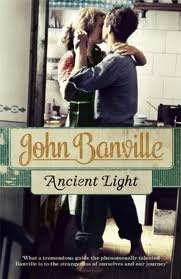
I really like John Banville’s intelligence and the way that he makes you work hard as a reader. In Ancient Light, he effortlessly handles two narrative lines, while expanding your vocabulary. I must confess that I didn’t realize that it was part of a trilogy – and a trilogy that I had read, no less!- and I felt rather foolish when I realized that the books were all related.
I was rather less impressed by Ellen Van Neerven’s Heat and Light, a collection of short stories arranged around three themes: Heat, Water and Light. It was a bit of a ‘curate’s egg’ of a collection- very good in parts, but some stories made less of an impression.
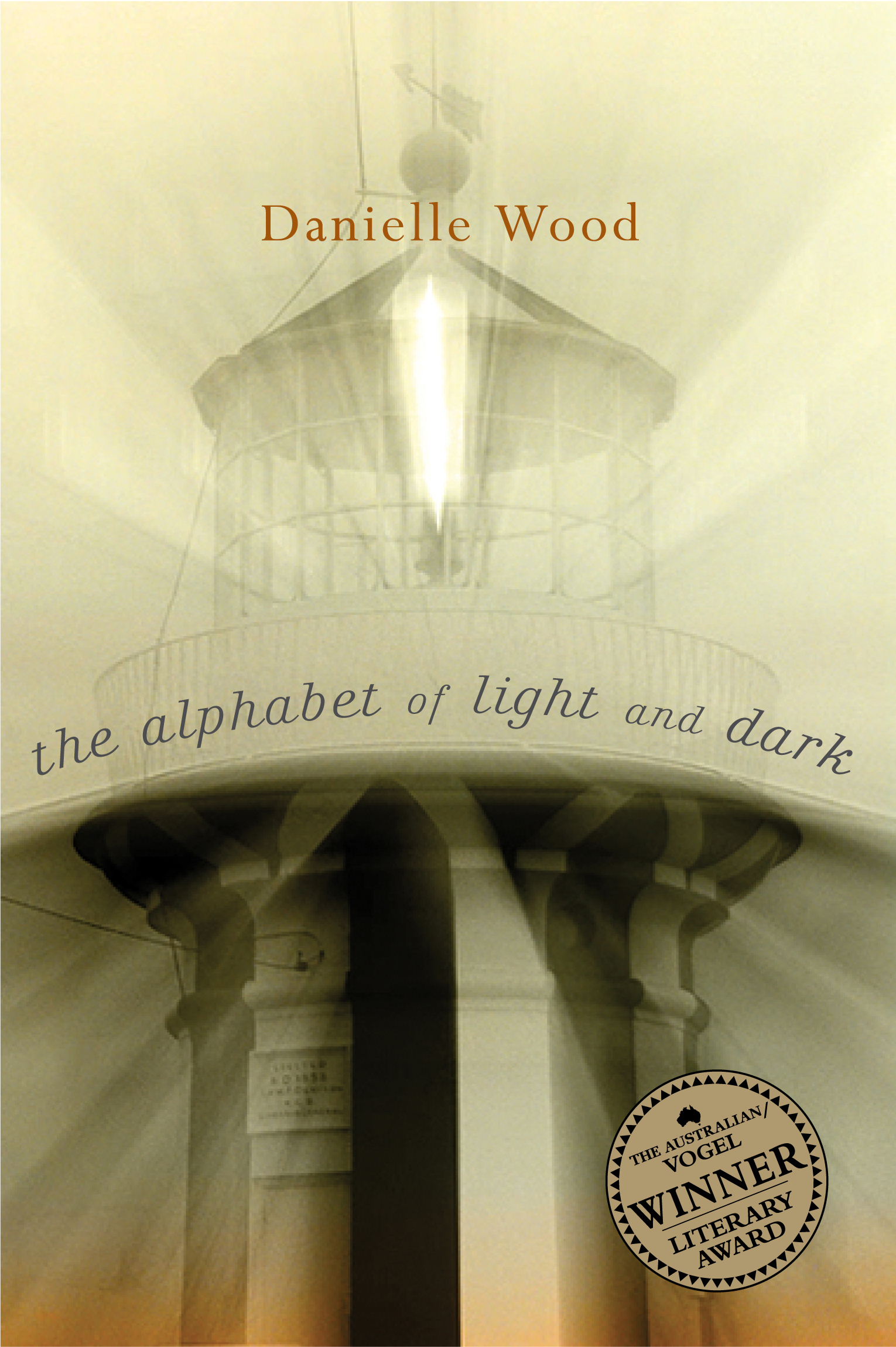
I read Danielle Wood’s The Alphabet of Light and Dark before I started writing this blog. Set on a lighthouse on Bruny Island, it is a story within a story where an aspiring author returns to the lighthouse once tended by her great-great-grandfather and decides to write about her great-great aunt. There are lots of descriptions of landscape and reflections on history.
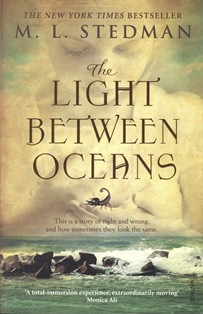
M.L. Stedman’s The Light Between Oceans is set on a lighthouse, too, but this time in the 1920s on the Western Australian coast. A husband returns from the war a changed man, and his wife Isabel cannot understand the existential changes that have been wrought on her husband. Their marriage is wracked by tragedy and loss. There’s a Jodi-Picoult-esque ethical dilemma, which was concluded a little too rapidly for my liking.
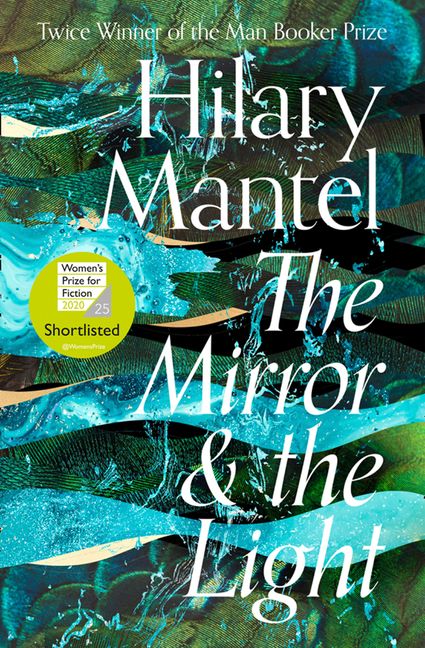
There was no rushed ending in Hilary Mantel’s The Mirror and the Light. The third of her Thomas Cromwell trilogy, it’s the brilliant culmination of a marvellous work of historical fiction. You know how the story is going to end (not well), but Mantel keeps you engrossed right to the last page.
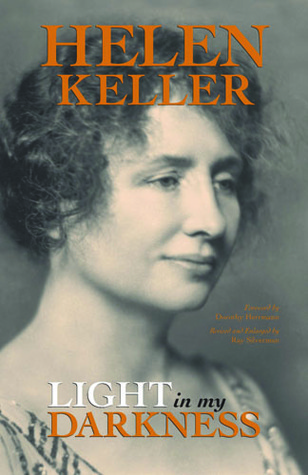
And finally, someone who could barely remember seeing light: Helen Keller. Light in My Darkness is her compilation of autobiographical writing. Originally called My Religion, it’s pretty turgid in places and I found it easier to skip the chapters on Swedenborgianism. Frankly, I wouldn’t bother reading this and instead read Dorothy Herrman’s Helen Keller: A Life.
So, mainly fiction this month and a rather crabby collection of reviews. Rather ironic really, given that the theme I had chosen for myself was ‘light’!
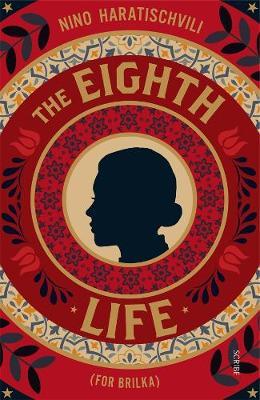
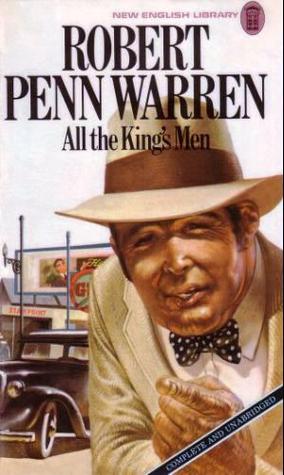
The gender divide was pretty even: four women, three men. Four fiction, three non-fiction. Four written in 2019 or 2020, three written earlier. Three of them (Mantel, Haratischwili and Warren) were door-stoppers. Perhaps in this very strange year, there was something to be said for burrowing into a very long read.
Well, actually, I finished it a while ago because I am well beyond the twenty I nominated. Anyway, here are the books alphabetically by surname that I read for the challenge this year:
Only three fiction out of 24. The dominance of non-fiction is probably because I’m conscious of keeping the ‘history’ numbers up in the AWW History, Memoir and Biography Round-Ups that I compile.
Other stats? I read 24 Australian women writers compared with 9 Australian male writers. I read more Australian literature (33 books) compared to international fiction (28 books). Of those 28 international reads, 18 were written by women and 11 written by men.
Overall, I didn’t read as much this year as I thought that I would have given that I had 112 day lockdown. I just didn’t seem to be able to settle, and much of the year just slid away from me.
But I’m up for joining the Australian Women Writers Challenge for 2021, and perhaps this time I’ll aim for a little more fiction in my life.
99% Invisible. Do you remember when you first used the Internet? I don’t. I do remember using Netscape on a little rectangular block Apple computer, but I don’t think that I actually realized that it was the Internet. I can remember using bulletin boards, and I was bemused by all this talk of Internet 2.0. The episode The Lost Cities of Geo looks at Geocities, a site that used the spatial metaphor of a neighbourhood, with streets and blocks and addresses, as a way of conceptualizing the internet for new users. By 1998 it was the third most visited site on the internet but by 2009 Geocities was about to be wiped out. Except that a number of volunteer internet archivists tried to rescue as much as they could.
Background Briefing (ABC) Melbourne has only recently come out of a 112 day lockdown. There were certainly failures especially with the hotel quarantine system where the whole disaster started, and also with contract tracing. But with contract tracing, you are dealing with human beings who, for any number of reasons, may not be completely truthful. How Contract Tracers Confront Lies on the COVID frontline looks at the changes that have been made to the contract tracing system. At least positions weren’t so locked-in and egos so fragile that changes couldn’t be made.
The History Listen (ABC) Silence at the Sugar Mill is a family history story about Granny Ninnes, a small, dark, affectionate, card-loving grandmother whose family origins in Samoa were denied by her children, and remained largely unknown to her later North Queensland family.
In Our Time (BBC). Hah! Poor old Melvyn Bragg, having only women on the panel this week! I had never heard of Melisende, Queen of Jerusalem. After the first crusade, the mainly Frankish (i.e. French) invaders decided to create a kingdom in the European vein, and arranged amongst themselves who the King was to be. Melisende’s father came to the kingship in rather suspicious circumstances, and was determined that his eldest daughter would be Queen after him (only because he had no sons). When Melisende married Fulk from Anjou, she then had to resist his attempts to take over completely, and after her husband Fulk died, she then had to battle her son. I had no idea about any of this. There’s so much I don’t know.
Well, we’ve finally been released out of lockdown, but I still had a Future Learn course that I had enrolled in that I wanted to finish. It’s called History of Slavery in the British Caribbean, and it was presented by both the University of the West Indies and the University of Glasgow (fitting, because there were many Scottish plantation owners). It was very good. I looked at slavery in the British Caribbean – particularly in British Guiana – for my thesis, and I learned a lot from the course. The course was produced in 2020 so it was brought right up to date with the recent Windrush scandal in the UK, Black Lives Matter and COVID. I hadn’t thought about the significance of language: ‘enslaved’ rather than ‘slave’. Well worth doing
And speaking of slavery, I also watched a webinar produced by the History Council of South Australia called Pre- and Early-Colonial South Australia’s Slavery Connections. There were three speakers: Cameron Coventry, Philip Jones (author of Ochre and Rust, which I must read some day) and librarian Beth Robertson who’ wrote the book’ on Oral History and has been undertaking her own family history. It hadn’t occurred to me that the compensation payments for slave-holders (not the slaves, mind you, only their former owners) hit the pockets of British investors at much the same time as South Australia was established. The speakers concentrated on British MP Raikes Currey, who provided much of the funding behind the South Australian Company from his family slaveholdings; George Fife Angas whose family traded in mahogany from British Honduras and who agitated for the release of indigenous enslaved in Honduras but not enslaved Africans; and Edward Stirling, born on a Jamaican slave plantation to a woman of culture, even though it was not spoken of. It will be online at some stage, I believe.
One of the good things about lockdown is that I have ‘attended’ many more webinars, book launches, discussions etc. than I would have normally. I hope that an online ‘presence’ at such events remains a possibility in the future.


 The Resident Judge of Port Phillip