Category Archives: Heidelberg

Why I’m mad as hell about Banyule Homestead

Update October 2019: One of the things that I wished most for Banyule Homestead was that it would end up in the hands of a family who love it and who see themselves as custodians of a very special building. And I think I may have had my wish granted! Welcome, new owners.

Update April 2019: Banyule Homestead was on the market again.

Update August 2018: VCAT upheld Banyule Council’s refusal of a permit for use of Banyule Homestead as a function centre. The case ran over ten days, and Banyule Council and numerous neighbours ran a well-organized and well-researched case.  You can read VCAT’s decision here.

Update August 2016: Applications by the owners have been made to Heritage Victoria to make changes to Banyule Homestead in order to fit it out as a functions venue.  Go to http://banyulehomestead.wordpress.com for more information about this latest chapter.

Update May 2015: I have decided to archive the site that was ‘Banyule Homestead Matters’. It can now be found at http://banyulehomestead.wordpress.com

And now, back to the original post that was in this blog entry from September 15, 2011, nearly five years ago:

September 15, 2011

The risibly named Heritage Victoria this week approved the subdivision of land surrounding Banyule Homestead for the construction of three townhouses.  I am appalled.
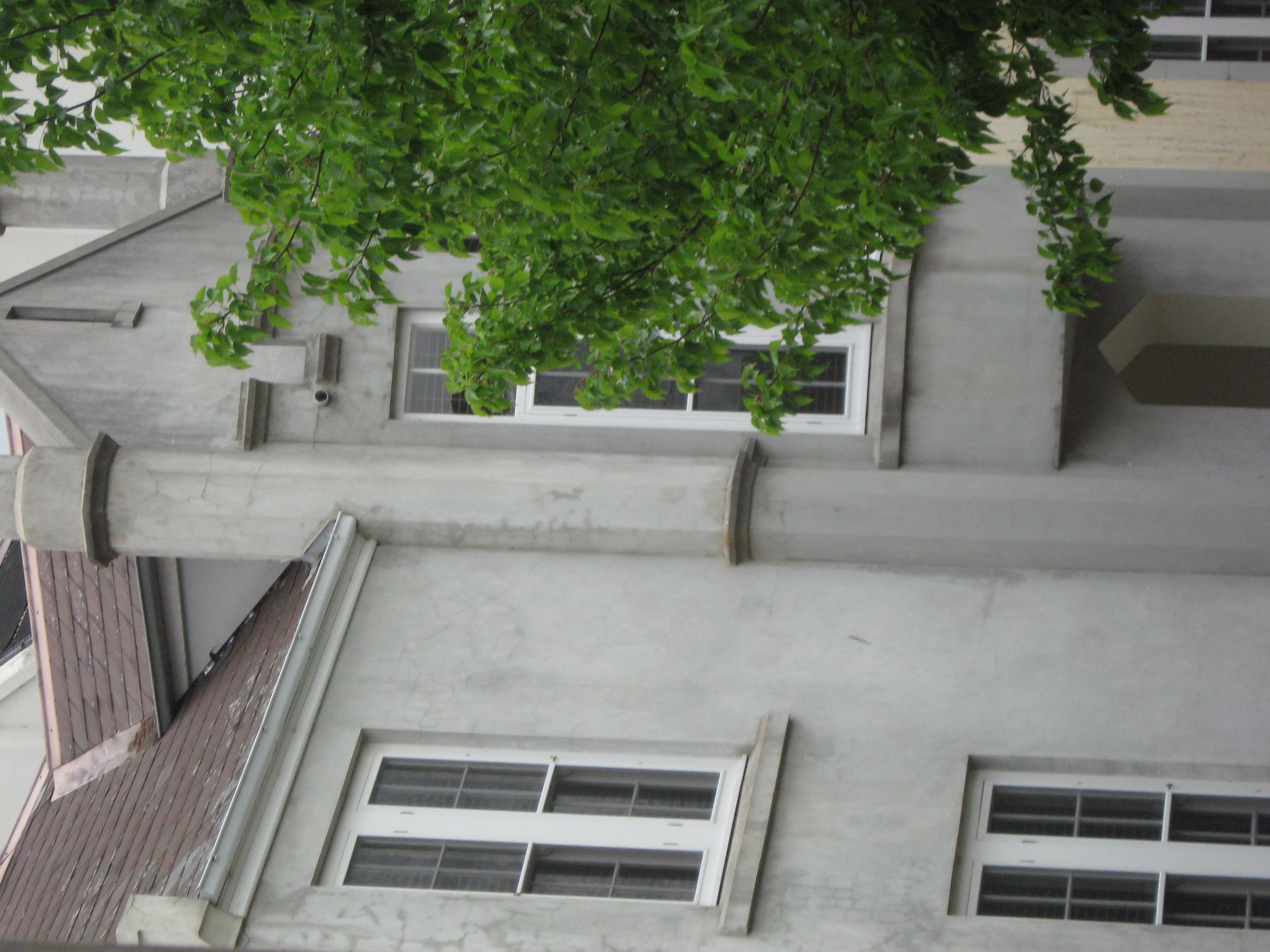
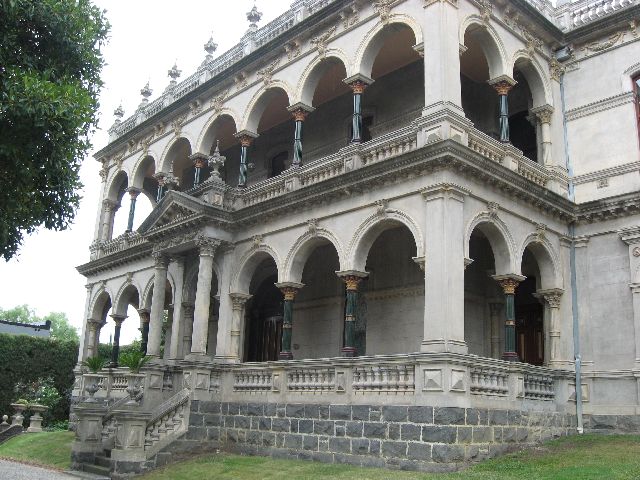
Banyule Homestead has long been one of the landmark buildings in Heidelberg. The gothic-style mansion was constructed in 1846 by one of the overlanders from Sydney, Joseph Hawdon and it is, in fact, one of the oldest surviving houses in Victoria.  Construction of an early, single-story building commenced in 1842 and so, yes, our Judge Willis would have been able to see the first buildings of Banyule as he stood in his driveway on the hill above what is now Warringal Park.

Heidelberg, with its fertile flood plains and views attracted men who became squatters, and indeed, it was the quality and reputation of his wealthy neighbours  that attracted Willis to living in the area, even though it was some ten miles from the court.  You can almost plot the houses out on a map- on all the high peaks around Heidelberg, the houses attached to large properties would have been visible to each other.  Willis’ rented house on Rose Anna Farm looked across east to  Joseph Hawdon’s Banyule in what is now Buckingham Drive;   south towards D.C. McArthur’s house Charterisville along what is now Burke Rd Nth,  and west to  the Boulden Brothers property at the top of the hill leading up to Upper Heidelberg Road.His friend William Verner lived in the valley between Willis’ house and Banyule, while Viewbank Farm stood on a raised area on the Yarra Flats, clearly visible from Banyule.  These houses, as they stood in the early 1840s, were not the mansions that they were later to become with further additions and alterations, but they did form an important network of the pre-gold rush ‘gentryin Port Phillip.

You need imagination to visualize the sightlines between these houses today (where they still exist) because they have been largely obscured by trees. But you don’t need imagination to see Banyule as it was from the river, because as an aspect it is still largely unchanged today.  Until Heritage Victoria’s decision, that is.
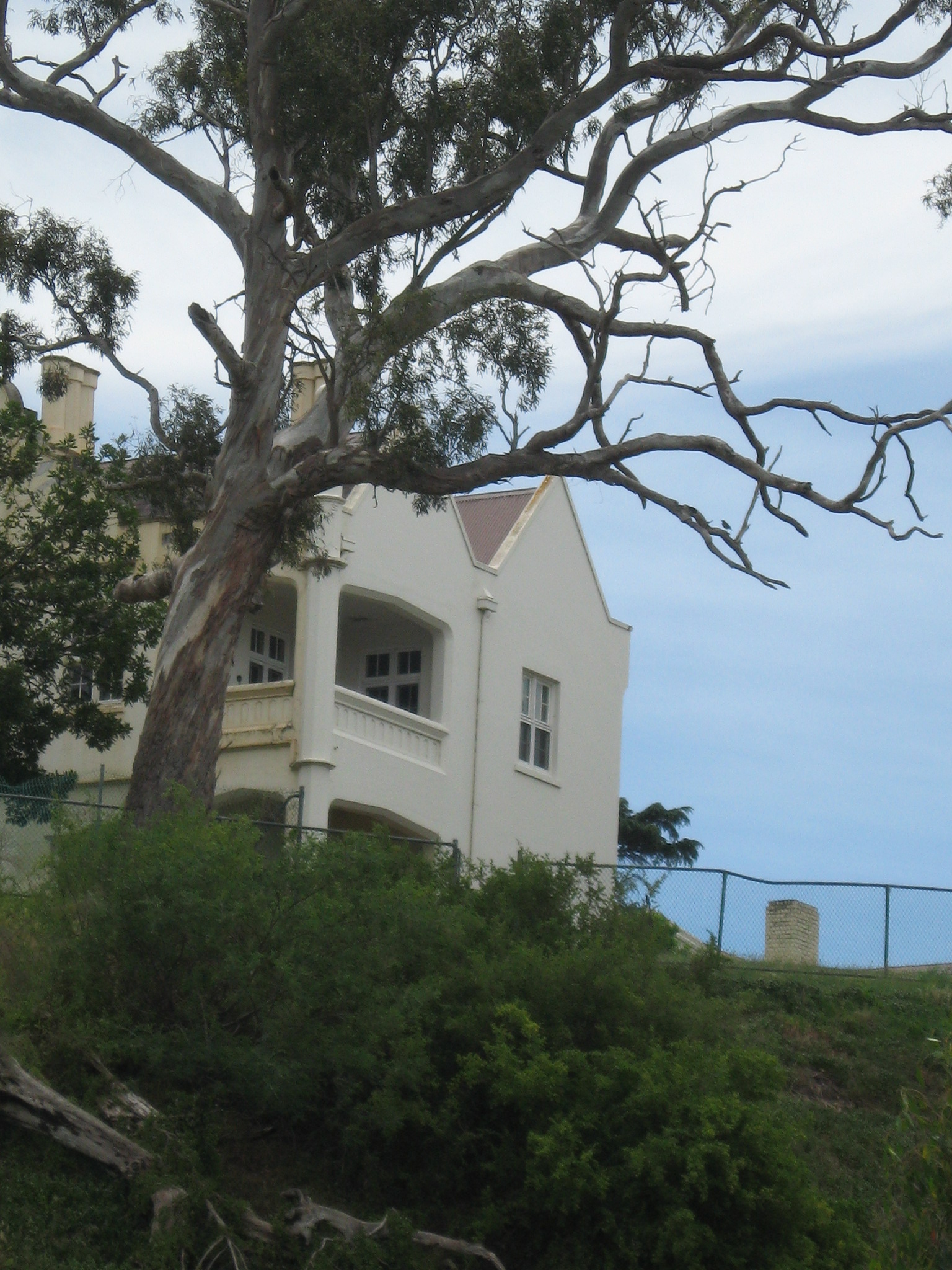
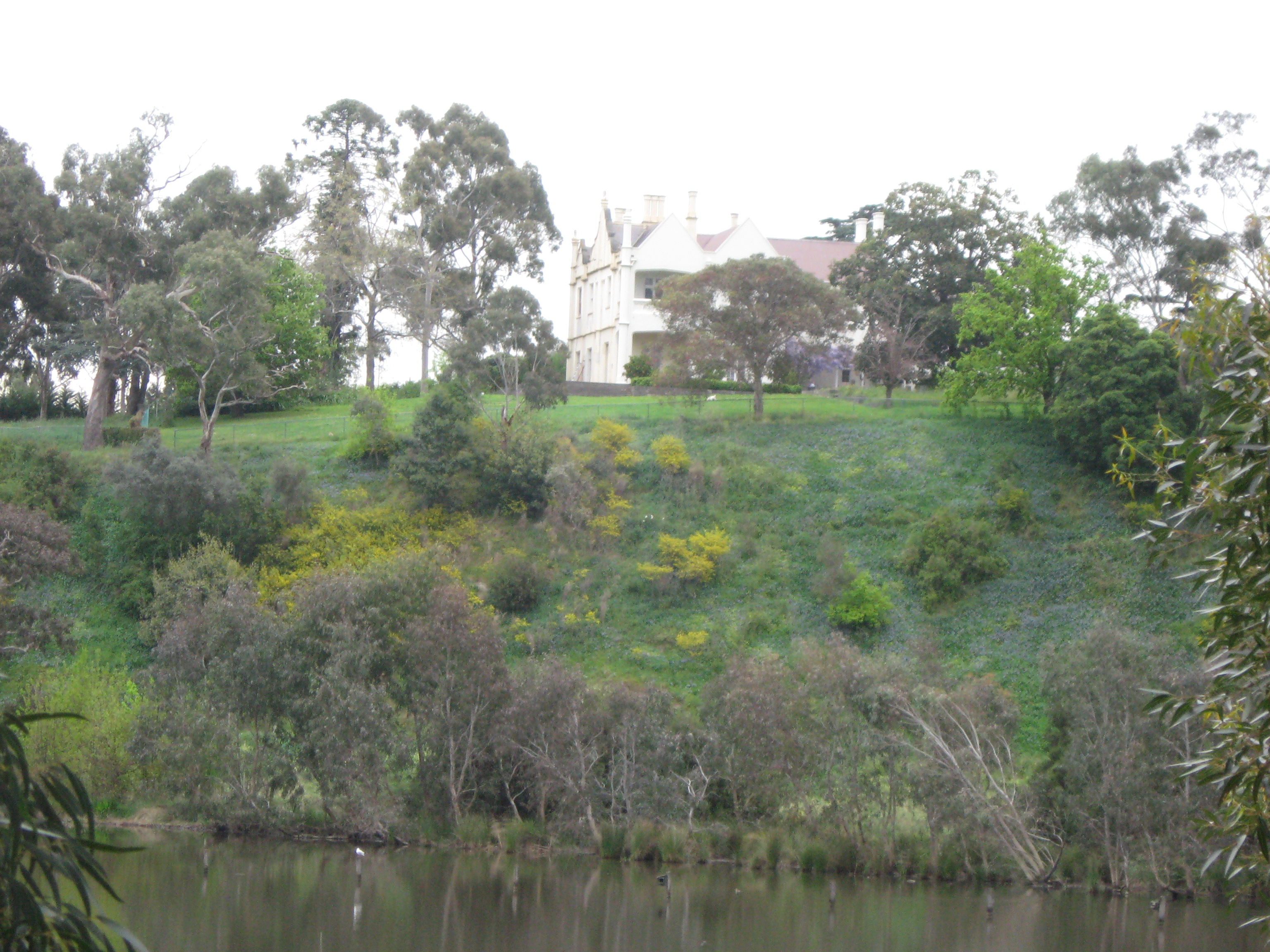
Banyule stands on a cliff, overlooking the Yarra flats below.
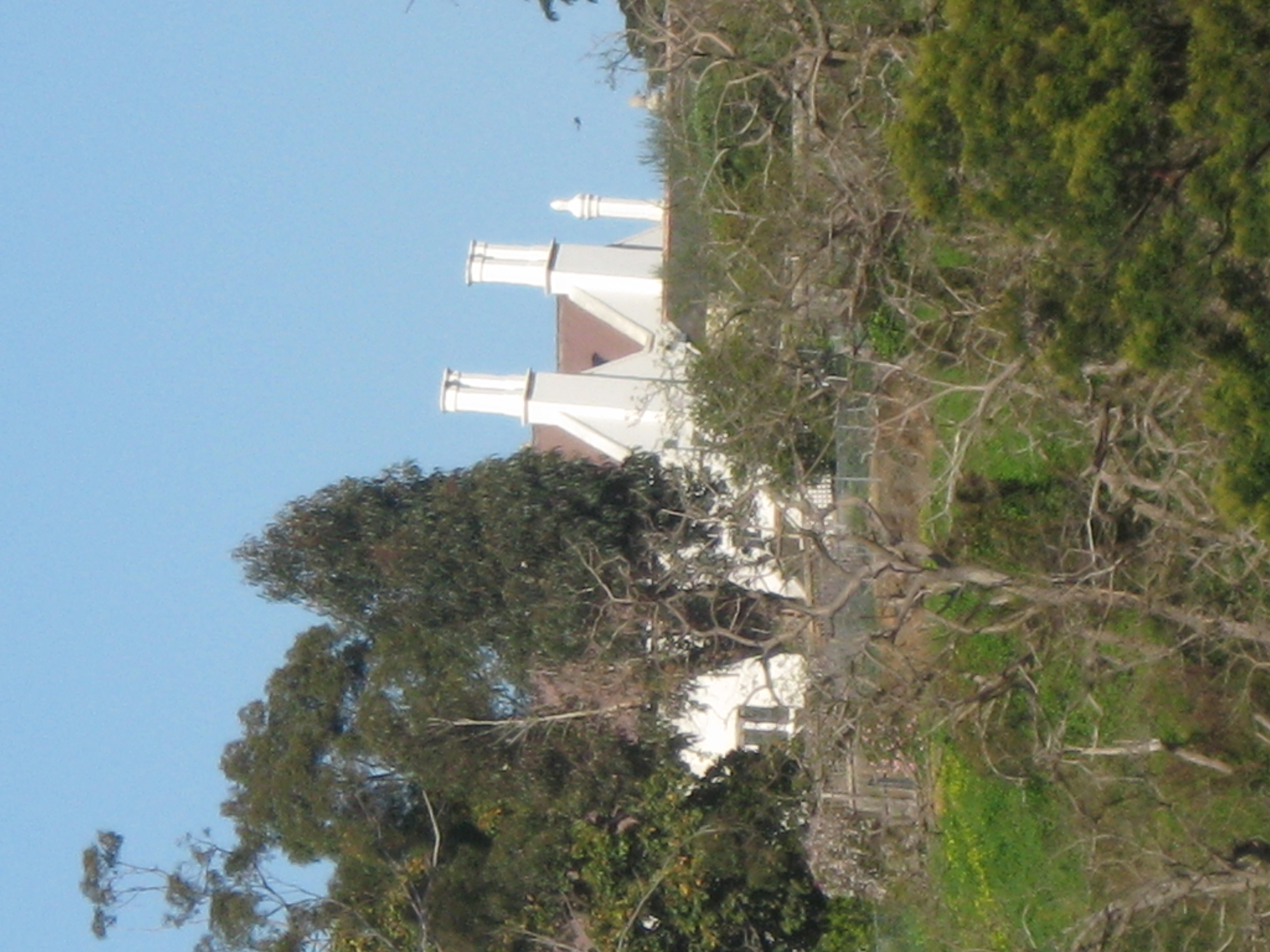
It can be seen from across the billabongs…
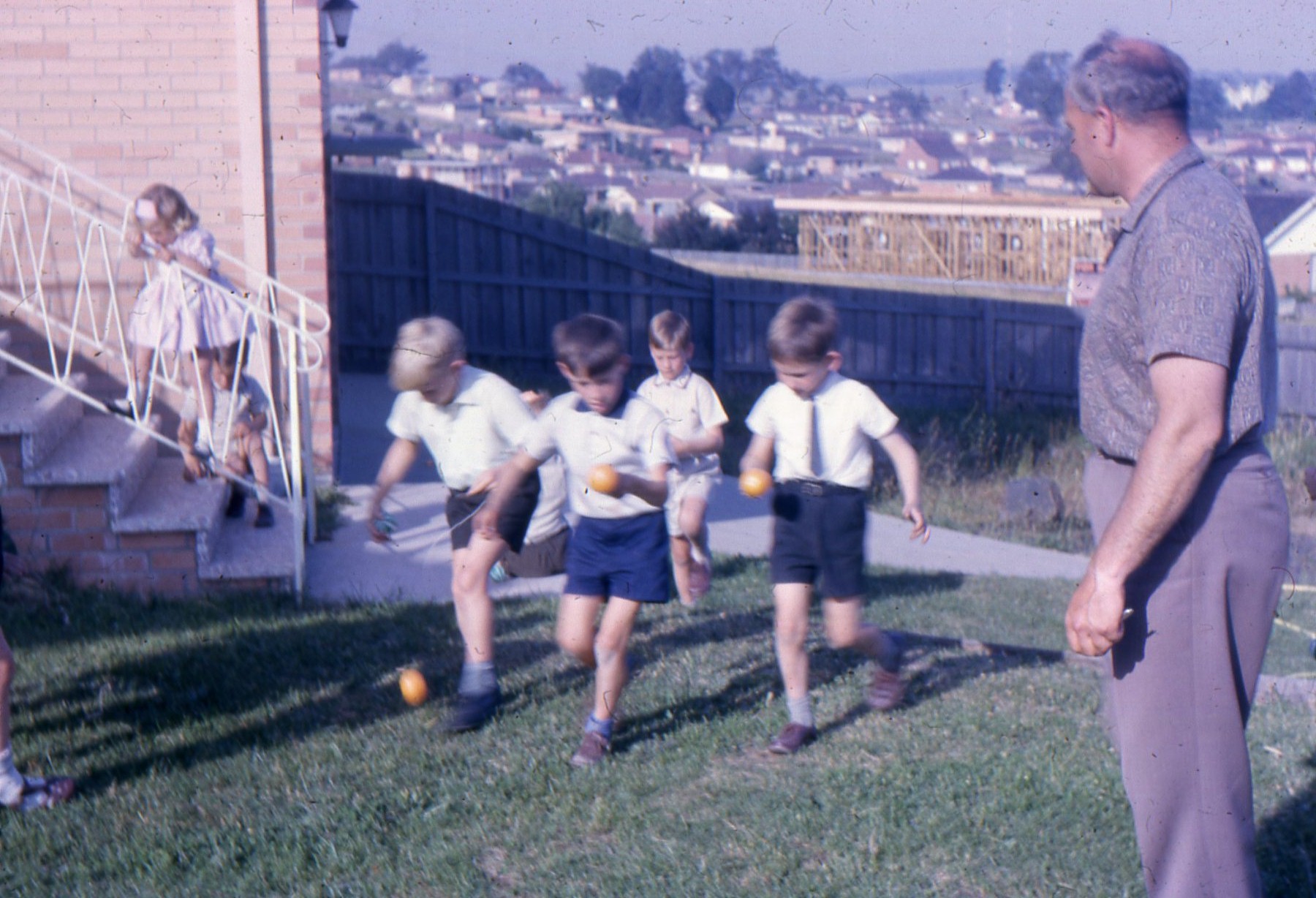
…and  it was visible from my front garden, just to the right of  my father’s head in this 1960s photo of party games on the front lawn (how quaint!)  In fact, this is how I know that Judge Willis could see Banyule because his house stood on the hill immediately behind my childhood home.
It is the house that gives my local council its name: I went to Banyule High School and I go to the Banyule Festival. The Victorian Heritage Database shows that it is listed as being of National Significance by the National Trust; it is on the Victorian Heritage Register and it has local council heritage listing.  These are long-standing listings, already in place when Banyule (shamefully) returned to private hands after being in public ownership as an art gallery.  How can all these listings count for nothing?  Is anything safe? Obviously not.

As it is, the gardens that surrounded Banyule have been degraded and surrounded on three sides by houses. A slice here, a slice there. Enough has been lost already, and it can never be regained.  We can put a stop to further loss now.  One of the oldest mansions in Victoria should not be further nibbled away by development.  A house might be privately held, but its aspect belongs to all of us.  Most large houses in suburban Melbourne have been hemmed in by other houses and hunker on truncated, remnant blocks, with all scale and sense of position lost. But with Banyule,  we don’t have to rely on our visual imagination to see it as it was.  We can stand on the wetlands on the Yarra Flats and look up- and there is it.

P.S. Update April 2012. If you share my concern about Banyule Homestead, please go to Banyule Homestead Matters . It is located at http://banyulehomesteadmatters.wordpress.com . At the moment, it is just celebrating Banyule Homestead, but the moment that anything changes, you’ll read about it there.

P.P.S Update 29 December 2014. I have decided not to renew the premium status of the Banyule Homestead Matters website.  The site is still available, but the URL now includes ‘wordpress’  (i.e. it used to be banyulehomesteadmatters.com  and now it is banyulehomesteadmatters.wordpress.com) You will probably see a screen telling you to contact the administrator to renew the registration.  There’s no need to do that- I know that the registration has lapsed.  If you click on the small X, the warning will disappear and you’ll be able to access the site as before.  You may need to use the menu on the right hand site to negotiate the site as the Home page no longer shows all the posts in chronological order.

P.P.P.S. Update again. I’ve archived the Banyule Homestead Matters website and moved it all across to a new site. The website address is now http://banyulehomestead.wordpress.com

It might be worth keeping an eye on the Friends of Banyule website, and the Heidelberg Historical Society has information about Banyule as well.

P.P.S. Good places to see Banyule Homestead. The homestead  is located at 60-74 Buckingham Drive, but it’s not easily seen from the street.  Click for a Google Map showing good vantage spots here.
Hanging around with the naturalists

I see that more than 600,000 plant species have disappeared.  No, not by logging, global warming, pesticides etc. etc., but because botanists have been combing through the listing of plant species, weeding out the duplicates.  I was interested to read that

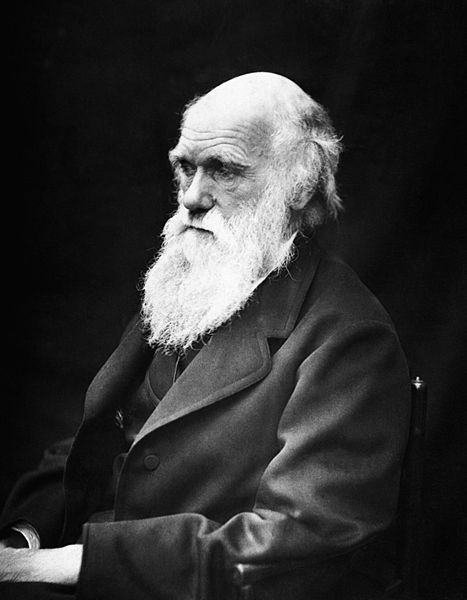
One of the databases was established using 250 pounds left in the will of naturalist Charles Darwin

I’m sure that Charles would have approved wholeheartedly.  Although, looking at his will, most of his goodies seem to be divided up amongst family. Perhaps it was established later.

Speaking of Charles Darwin, he certainly has a prodigious online presence, spurred on no doubt by the anniversary recently.  There’s Darwin Online – huge! And have you seen the repository of all the letters that Darwin wrote and received up to 1867 at the Darwin Correspondence Project?

Apparently Darwin had over 2000 correspondents from across the globe, and he was not the only one.  Naturalism and collecting was a favoured gentlemanly past-time and for colonial civil servants scattered across the globe, providing information and samples for their highly-placed naturalist patrons was a way of keeping connections open with men in positions that might prove useful in the future.

And so we see our  Resident Judge of Port Phillip- Judge Willis- sitting down and packaging up samples for his patrons at home.  Like other men of his time, Judge Willis  was not averse, as Rolf Boldrewood reminds us, to a bit of the old huntin’ and shootin’  on the Yarra Flats-

This not undistinguished legal celebrity we had known in Sydney, and he presented himself to my youthful intelligence as a good-natured, mild-mannered old gentleman, with whom I used to go quail and duck shooting in the flats and bends of the Yarra over Mr Hawdon’s and the neighbourhood estates.  On these occasions the late Mr Archibald Thom, who rented part of Banyule from Mr Hawdon, often accompanied us.  And a very deadly shot he was.
The judge shot fairly well, and after a decent morning’s sport was genial and generous in a marked degree. But when he doffed the russet tweeds and donned the ermine, he became utterly transformed. It was averred, too, altogether for the worse. ( Rolf Boldrewood, Old Melbourne Memories, p. 159-60)

But he also indulged in- or at least arranged for someone else to indulge in- a bit of naturalistic hunting as well.  Here he is, in April 1843, writing to Derby, the father of the Secretary of State (how convenient!)- sending a- ye Gods, what on earth IS he sending him?

I have the pleasure of sending by the “Arab” an animal, temporarily stuffed, which is not common even here; I think is seems a commixture of Monkey, Opossum and Sloth, more like the Sloth perhaps than any other.  It has a pouch.  I do not forget the Musk Duck & hope my efforts to obtain them may yet prove successful.

And then, on board ship on the way home

The hurry in which I left Australia prevents me collecting such Natural curiosities as might possibly have been acceptable to your Lordship.  I enclose however a good specimen of the Flying Mouse, possibly as curious an animal as inhabits those regions, & a fair illustration of many larger animals of the same Genus.  It can only fly in an angle of 45 degrees- It has a Pouch & the featherlike tail is not a little remarkable. On our voyage we put in at Bahia and I have a few Brazillian Seeds & Roots, which the English Chaplain gave me very much at your Lordship’s Service, if they be worth acceptance.  I have also some of the Wattle Tree, or Mimosa of Australia Felix, which I have no doubt will grow in the Open Air in England with a little care & be a great ornament in a Garden or Shrubbery.  The Bark of it is become a profitable article of Export for Tanning being stronger and preferable to English OakBark.  The flower of the Wattle is fragrant and pretty.

I wonder if the Mimosa of Australia Felix was one of the expunged varieties?  And the flying mouse- probably a pygmy glider of some sort.  Though I prefer this one-

We won!

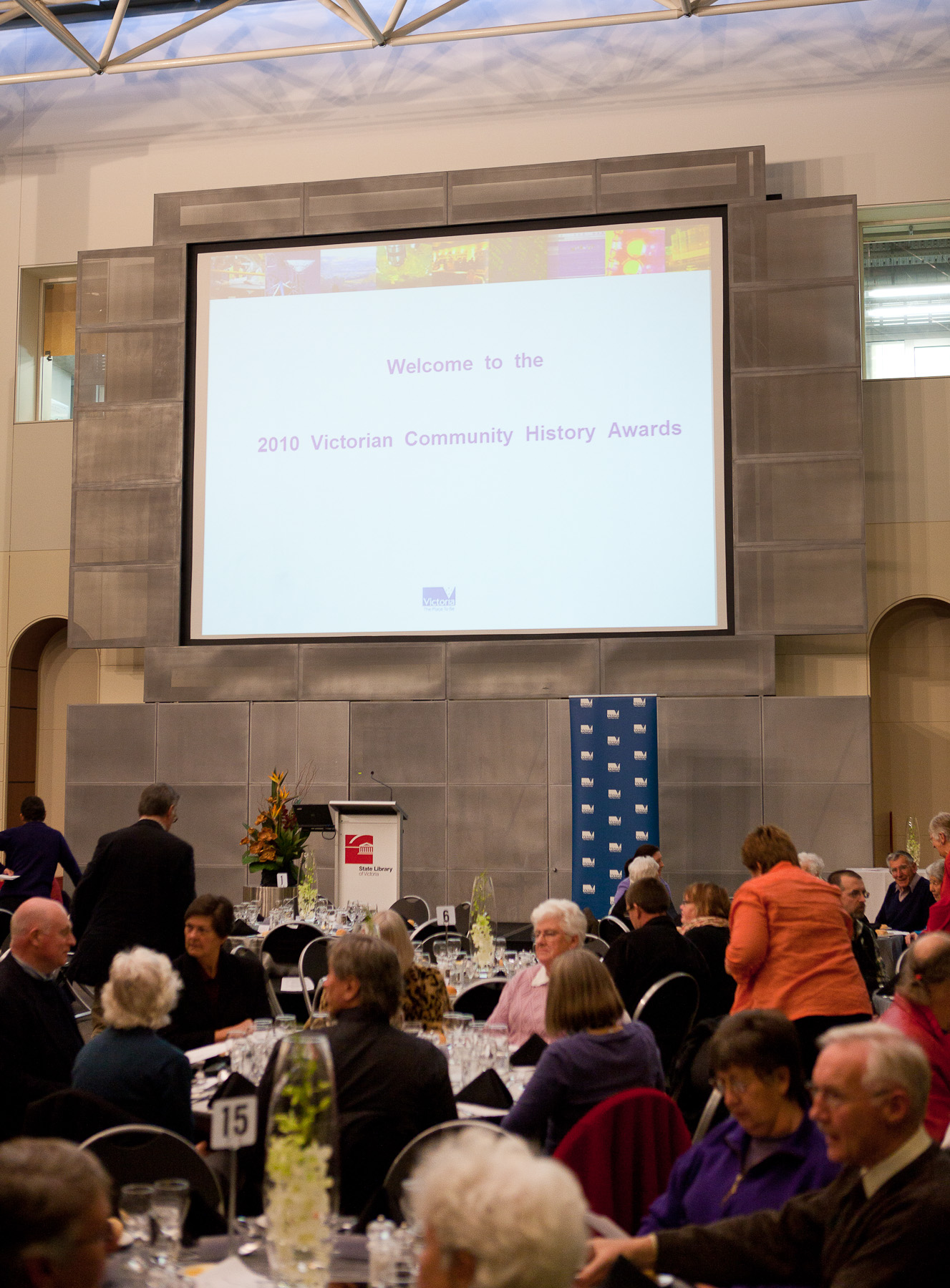
Well, I have already shameless spruiked our “Invitation to the Ball” exhibition at the Heidelberg Historical Society: now I’m going to barefacedly brag. Guess who won the Best Exhibit/Display prize at the recent Victorian Community History Awards?  We did!!!

Here’s how the citation described our entry:

Category:  Best Exhibit / Display

Winner:  An Invitation to the Ball: Heidelberg Historical Society

It is inspirational for a local historical society to present an exhibition that not only is rich in material culture of this quality and nature but is of relevance in a broader social history context.  An Invitation to the Ball beautifully presented a topic steeped in social and cultural tradition, and one which continues to have contemporary relevance. The exhibition’s strengths is that it complied with high quality museology standards, including the use of different interpretive techniques, strong local content peppered with personal stories, sensible design and engaging graphic presentation.

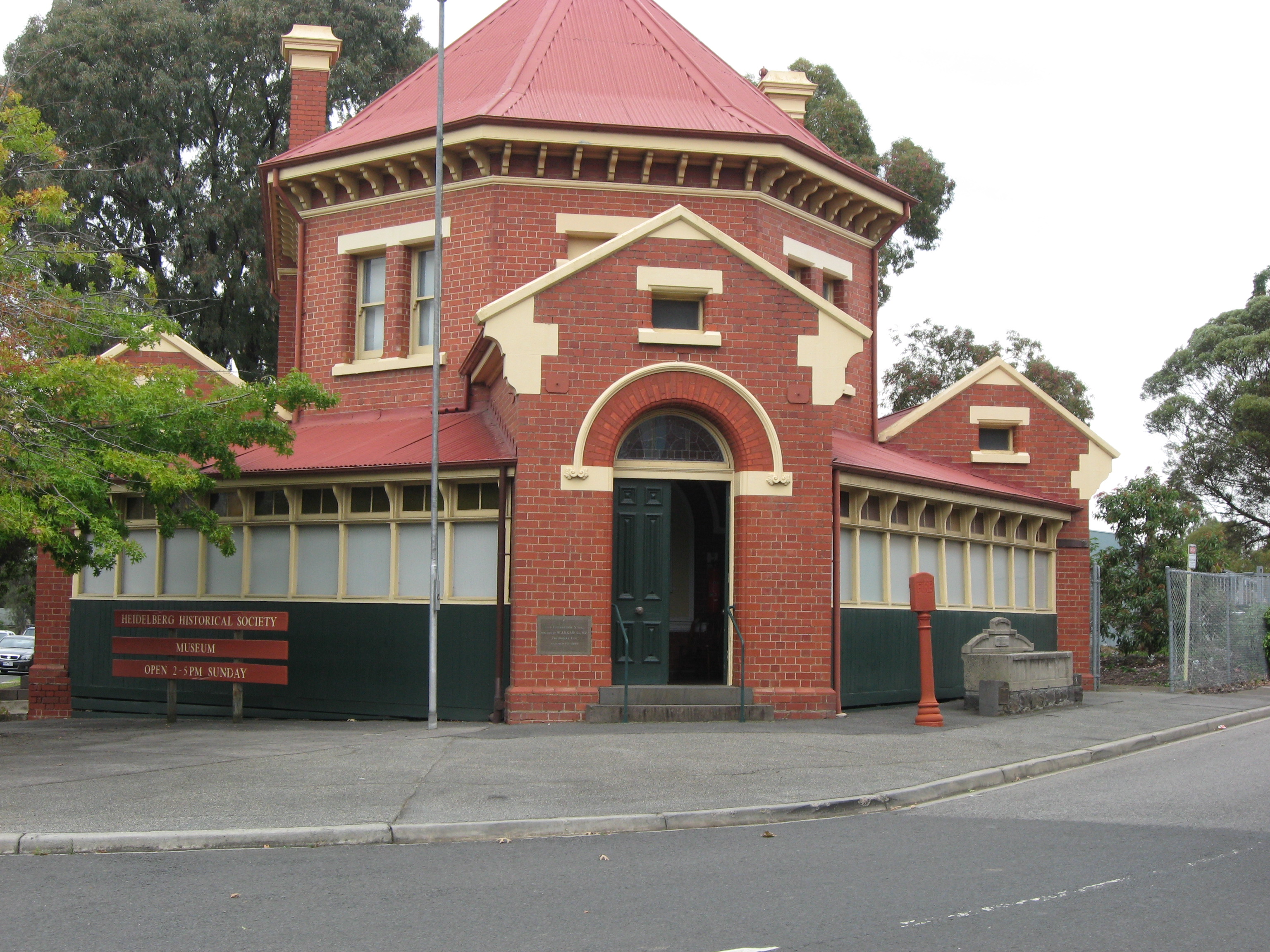
As you can imagine- we’re delighted.  The exhibition will be open, probably until the end of the year at the Heidelberg Historical Society Courthouse Museum, cnr. Jika St and Park Lane Heidelberg,  on Sundays between 2.00- 5.00 p.m. Entry $5.00 adults, $2.00 children.

Election Day

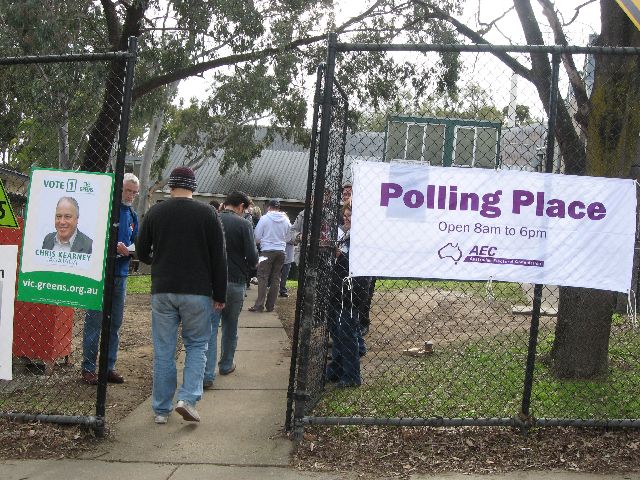
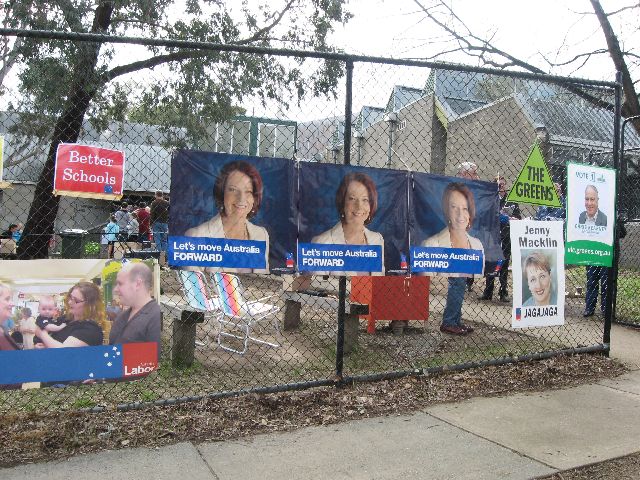
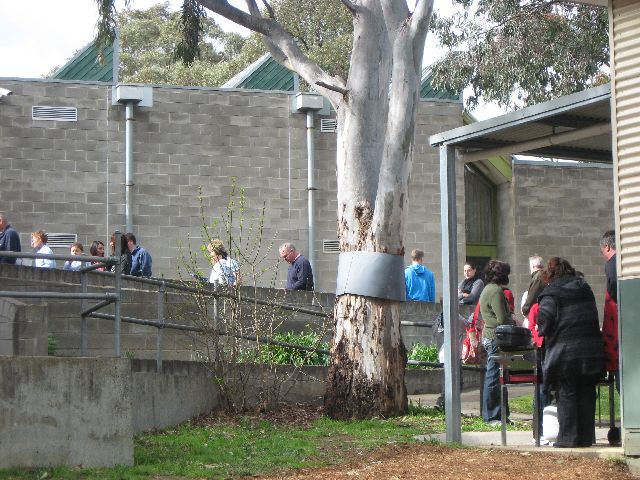
I’ve just returned from doing my democratic duty up at the local school.  It’s election day here in Australia, and one that I feel rather pessimistic about.  Elections are always held on a Saturday and voting is compulsory- something that I have absolutely no problem with.  I think of the bravery of people in other parts of the world who carry around their ink-dipped fingers (how dangerous could that be in some situations!) and I am grateful that I can vote in a country that expects and requires me to do so as a citizen in a well-organized and fully-financed electoral system.   My gratitude and trust in the system stands, no matter what the outcome tonight, tomorrow or maybe weeks down the track.

Yes, the sausages are sizzling as the good people of Macleod line up to vote

So what about elections in Judge Willis’ time? Of course, the whole concept of a Federal Election in Melbourne had to wait until 30 March 1901 but the first colony-wide election for NSW was held in 1843.  Until the passing of the 1842 New South Wales Act, the Legislative Council had been nominated by the governor, but the 1842 Act allowed for 36 members, twelve appointed and the rest elected.  The relative lateness of elected representation reflects the penal origins of the colony: Upper Canada had been awarded representative government nearly fifty years early with the Constitutional Act of 1791.

Port Phillip was still part of New South Wales at this stage.  Six members in total would be elected from the Port Phillip district, five from the district as a whole, with one from Melbourne.  There was not exactly a rush: the Council sat in Sydney, six hundred miles away, and few Port Phillip citizens were prepared to travel and stay in Sydney for council sessions.  As a result, of the five district members who were elected, only two – Charles Ebden and Dr Thomson from Geelong- were from Port Phillip.  The rest were Sydney-siders: Dr Charles Nicholson; the merchant Thomas Walker (who did have extensive holdings in Port Phillip and particularly in Heidelberg but was based in Sydney); and Rev John Dunmore Lang.  Two other Sydney residents- Thomas Mitchell, the Surveyor General, and James Macarthur Jnr, the son of Hannibal Macarthur also stood, but Mitchell was not successful and Macarthur withdrew his nomination before election day.  There had been talk earlier that Joseph Hawdon, the wealthy cattler overseer and  builder of Banyule homestead in Heidelberg, would stand but this did not eventuate and he, too, was  Sydney-based.

Certainly the election did not have the immediacy of the Town Council elections which had been conducted some six months earlier. Edward Curr, who had previously been a member of the Van Diemens Land Legislative Council, accepted candidacy for the Melbourne seat.  He was a prickly, forthright character who clashed strongly with Willis, along with many others in Port Phillip, it must be said.  It was his strong Catholicism that prompted the equally prickly and forthright Presbyterian candidate Rev J.D. Lang to cast about for a contending candidate for the Melbourne seat, lest Curr the Catholic be elected unopposed.  Lang and Kerr, the editor of Fawkner’s Port Phillip Patriot (with whom Lang was staying while campaigning in Port Phillip) decided to approach Henry Condell, the Mayor, asking him to stand.  They promised to organize a petition of 200 Melbourne electors by 4.00 pm the next day and Lang offered to write all of Condell’s speeches for him.

Once Condell had been persuaded to stand,  an element of sectarianism was introduced  into the campaign in a town which had, until that point, seen the denominations generally co-operating with each other, although this was being affected also by the changing demographic makeup of immigrants into the colony.  Curr and his letter-writing supporter Alexander McKillop certainly saw the contest in these terms, as did Lang himself. And it is into this contest between Condell and Curr that we see Willis intervening in a way that even today raises eyebrows, just as it did at the time:

Alston's corner, cnr. Elizabeth St and Collins St today, the site of Willis' shop-bench encounter over the Curr/Condell contest

As a climax to these indecencies, the Resident Judge (Willis) dishonoured the ermine of his high office by requesting the retailers, with whom he did business, to vote for Condell; and one day, whilst on a vote-touting expedition Willis and Curr met face to face in the shop of Mr Charles Williamson, a Collins Street draper (lately Alston and Brown’s) where the Judge waxed so personally offensive that Curr’s forbearance only prevented the public scandal of a pugilistic encounter between the judicial canvasser and the candidate.” p. 333

The election was conducted in four locations. Voting for the district seats took place in Portland, Geelong and Melbourne, while the voting for the Melbourne seat took place in the Gipps ward of Melbourne.  In many regards they were typical English-style elections:  the votes themselves were announced (no secret voting here!), there were placards and ribbons, and the alcohol flowed freely.

The voting went off well enough until the polls closed at about 4.00 pm.  Once it was clear that Curr had been defeated, his Irish Catholic supporters moved to the Golden Fleece Hotel where they hoped to find Condell, then to the main polling site at the Mechanics Institute in Collins Street where the results were to be announced.  The Chief Magistrate Major St John and Dana, Chief of the Native Police arrived on horseback , and in the midst of brawling, the Riot Act was read.  Forming groups of 50-100, the crowds broke up and raged through Little Collins, Collins and Elizabeth Streets with stones and brickbats.  The military arrived, charged the mob with bayonets; hotels were closed and the mounted police patrolled the town.   However, unlike Sydney where similar riots occurred resulting in the death of one man, there was no loss of life. A couple of days later, once the results had been collected from Portland and Geelong, the successful candidates were announced. The Port Phillip Herald 27/06/43 reported:

At the close of the ceremony, Mr Ebden’s horses were taken from his carriage, which containing Mr Ebden, his brother Mr Alfred Ebden, Mr Curr and Mr Foster, was dragged through the town.  The town band paraded the streets from an early hour in the morning til late in the afternoon, but little interest was manifested in the proceedings, the dismissal of the judge having evidently taken possession of the public mind.

And here two of the anxieties that La Trobe dreaded coincided: the unruliness of the election, and the excitement over Willis’ dismissal.  But that’s a post for another day (maybe).

It’s hard to tell how many people were eligible to vote.  The franchise was for males over 21 who owned freehold property worth 200 pound or rented a property worth 20 pounds per annum,  a natural born (British) subject or naturalized.  Those who had committed “treason, felony or infamous offence” could not vote unless they had been pardoned or undergone their sentence- an issue of controversy in regard to the applicability of English law in a former penal colony.  As far as the ‘district’ elections were concerned, the Port Phillip Herald a few days later published full details of the results. The names of the voters were given, the booth they voted at, the time that they attended, and the candidates to whom they gave their votes – no privacy here! The final results were: Ebden 228, Walker 217, Nicholson 205, Thomson 1843, Lang 165 and Mitchell 157 .  In Melbourne, Condell received 205 votes to Curr’s 174 but the names of the voters were not given.  I’m not sure how many votes people had, given that many men owned multiple properties,  and how the practice of ‘plumping’ (i.e. giving all your votes to one candidate)  applied here.  Either way- we’re not looking at a huge electorate.

For myself, I would gladly drag a carriage with my first female prime minister through the town with the town band playing but I don’t know if that’s going to happen…

References:

M. M. H. Thompson The Seeds of Democracy, NSW, The Federation Press, 2006

A. G. L. Shaw  A History of the Port Phillip District: Victoria before Separation Carlton Vic., Melbourne University Press, 2003

Jennifer Gerrand  ‘The Multicultural Values of the Melbourne 1843 Rioting Irish Catholic AustraliansJournal of Historical and European Studies, Vol 1 Dec 2007

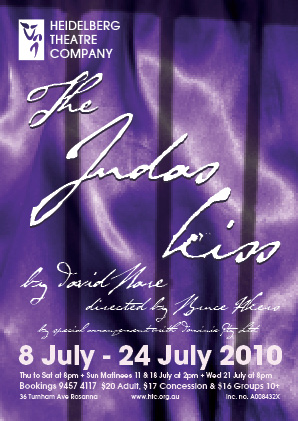
‘The Judas Kiss’ Heidelberg Theatre Company

Once again, I wish that I’d seen this before the final performance so that I could encourage you to go.  Alas, too late (again) .

Written by David Hare, the two-act  play concerns Oscar Wilde and his lover Lord Alf Douglas. Act One is set in a London hotel, just prior to Wilde’s arrest where his friend Robert Ross is trying to persuade him to leave for the continent; the second act is in Naples two years later where Bosie decides to leave the impoverished and broken Wilde to return to London and his family.

I find it hard to see anyone else other than Stephen Fry playing Wilde- surely a part that he was born to play, and there’s a danger that playing such a flamboyant figure can descend to parody. But Chris Baldock, playing Wilde made the part his own, to the point at the end of the play where there was absolute silence as the audience collectively held its breath, then exhaled.  In a wonderful performance,  Baldock as Wilde was on the stage for almost the whole time, burbling forth a stream of dialogue,  then lapsing occasionally into a deep, black silence that in itself spoke volumes.  Tim Constantine as Lord Douglas captured his petulance well, but also his insecurity and jealousy.

There was a warning about nude scenes and cigarettes, and I must admit that the nude scenes were rather more than I expected! Must be a David Hare trademark- wasn’t ‘Our Nic’ nude in her performance of Hare’s The Blue Room?  It’s just as well that the theatre itself is so well heated.

I don’t always go to HTC productions, but I have been to a few. There’s something quite warming about a local theatre: looking around the audience and always spying someone that you know, the sherry before the performance, the squeaky orange seats that, in this case, fell silent too at the end of the play.  This was certainly the best performance I’ve seen there, and I only wish that I’d gone earlier in the season so that I could tell more people about it.

An Invitation to the Ball

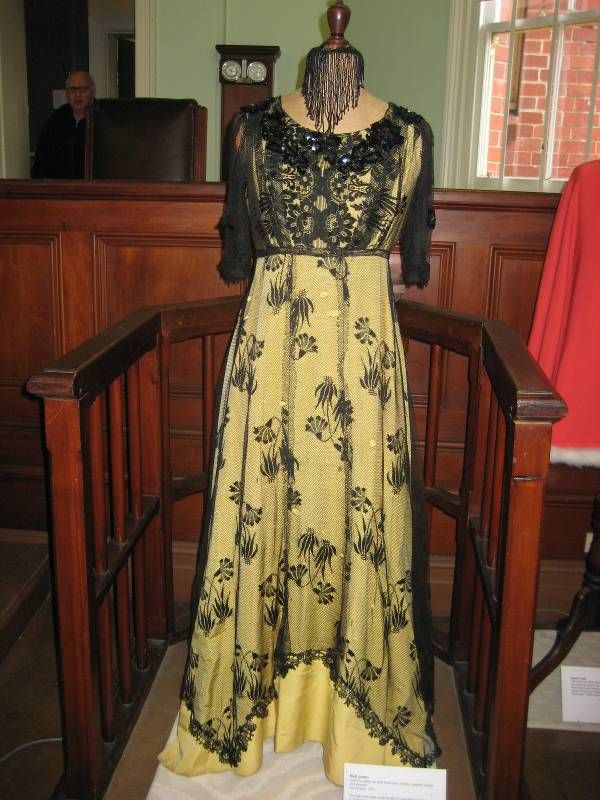
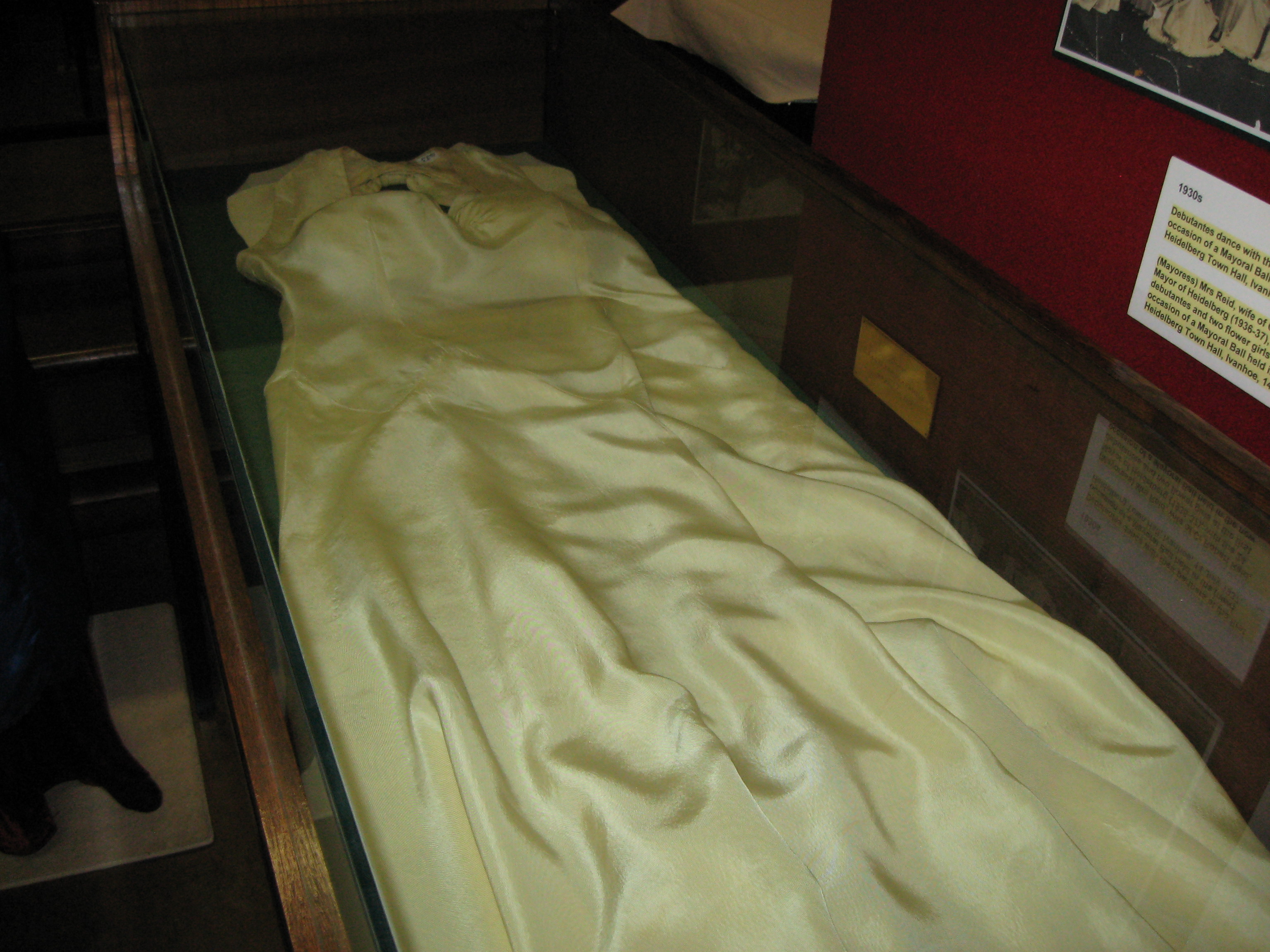
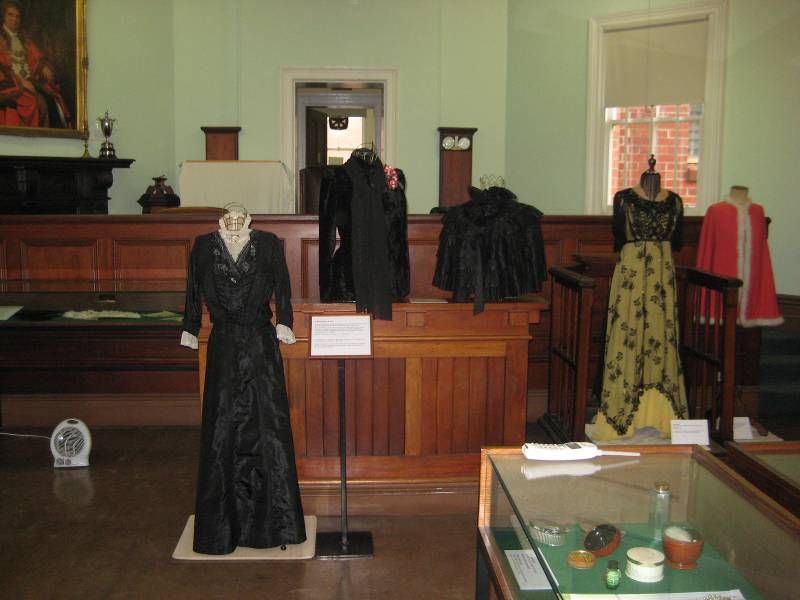
And now for a bit of shameless advertising. My local historical society has been hard at work recently putting together an exhibition called “An Invitation to the Ball”.  The inspiration for the exhibition arose when the curators were transferring our textiles collection into new textile archive boxes.  Many of the items had been donated forty years ago when the Society was in its infancy, and surveyed as a whole, we realized that we had a collection of beautiful objects.

There is, of course, the much more extensive costume exhibition on at the NGV at the moment, but what I really love about this exhibition is that the displays are interwoven into a broader history of the Heidelberg/Ivanhoe area.  The focus is on women’s formal wear between 1850 and 1950, and there are many connections between formal occasions and the nearby Heidelberg Town Hall, the site of many mayoral occasions, debutante balls, concerts – to say nothing of regular Saturday night dances.

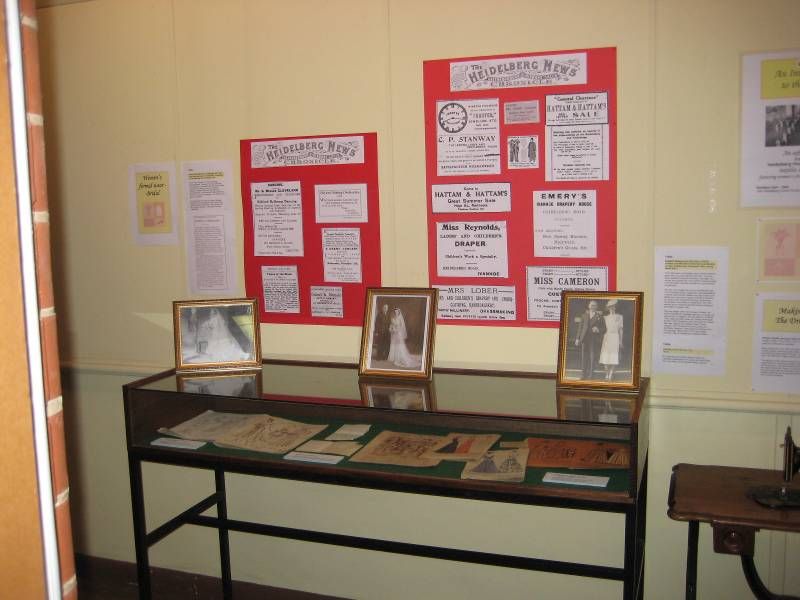
Because these are garments worn locally, we were able to trace through the original wearers and the occasions on which they were worn.  A search through our records and photographs found studio photographs and invitations for a debut ball held in the 1930s which, supplemented by an oral history memoir, are displayed beside the dress itself.  We were able to identify the lady mayoresses who wore particular gowns, and we found records of a number of formal occasions held in nearby facilities including “Sunday afternoons”, concerts and sporting festivals.

We were also able to locate, through our holdings of local newspapers,  advertisements for the web of haberdashers, drapers, outfitters and shoe shops in the local shopping centres- particularly the women dressmakers, all coyly named Miss or Mrs, and often formerly of Collins Street or other addresses.

The exhibition is open on Sundays 2-5 and will run until November 2010, so unlike most events that I write about here, it’s not closing soon!  Entry is $5.00 for adults, $2.00 for children under 16.  The Heidelberg Historical Society Museum is on the corner of Jika Street and Park Lane, Heidelberg. If you live in the northern suburbs you’ve probably driven past it dozens of times on the way to Burke Road. And who knows,  you may just even see me there!

Banyule Festival- wait there’s more!

After a Saturday night awash with nostalgia at Twilight Sounds at Sills Bend, I frocked up on Sunday for the annual Heidelberg Historical Society bus tour.  You’re likely to find me down at our museum one Sunday a month with my secretary’s hat on.

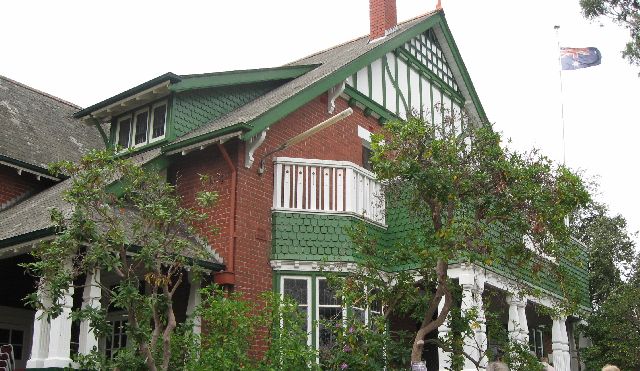
So onto the bus we hopped and off we headed to Ravenswood in East Ivanhoe.  The house was commenced in 1891,  at the commencement of the depression and was one of the last boom-style mansions built before everything went pear-shaped.

It is a house built for display.  It would have been prominent as  visitors headed towards Ivanhoe from the city and can still be seen easily from the railway line should you happen to look to the east and up the hill as you’re rattling along.  The exterior of the house was built with this prospect in mind, as it is at its most ornate on the south-west side, but rather plain on the other sides (perhaps hoping for future extensions?).  The house itself,  is not extensive- it has four main rooms and a hallway on the ground floor, with bedrooms upstairs, and utility rooms at the back.  A very large ballroom was added in 1895, so obviously the depression did not affect the owner, the financier Robert Kennedy, too much.

We weren’t able to take photographs inside the house, but the emphasis on display carried through internally as well.  Because the house had been used as a number of years as a nursing home, most of the original features were lost, but they were able to establish that paintwork was used ‘creatively’ throughout- lots of marbled paint, fake timberwood and trompe-l’oeil. It had been beautifully renovated- the paintwork was truly beautiful, the carpets thick- and the gardens carefully tended.

Then onto the bus again and up to the Ivanhoe RSL which is located in a home originally known as Clarivue (sometimes spelled Clairvue).

The house was commenced in 1913 and was designed for a timber merchant.  As you might expect, this one has real timber throughout, compared with the timber in Ravenswood.

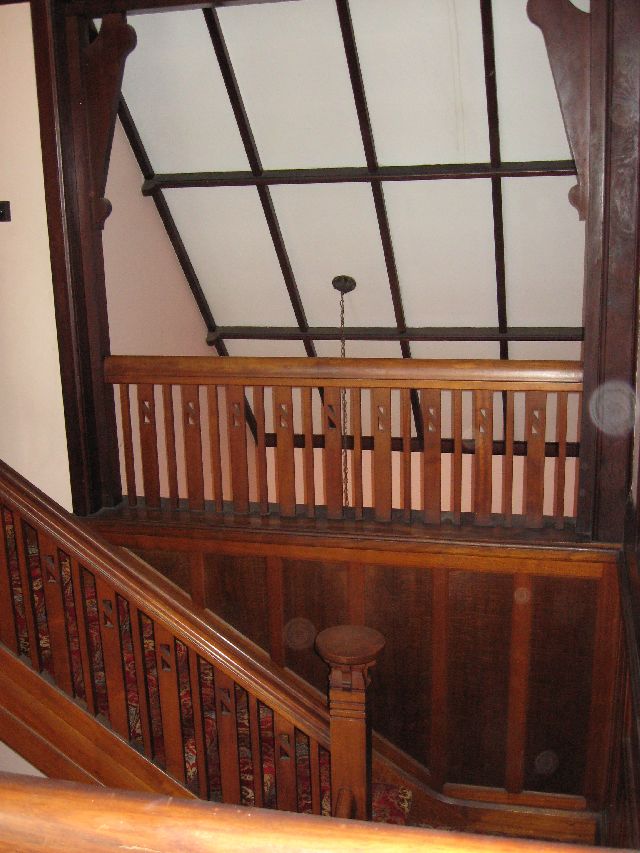
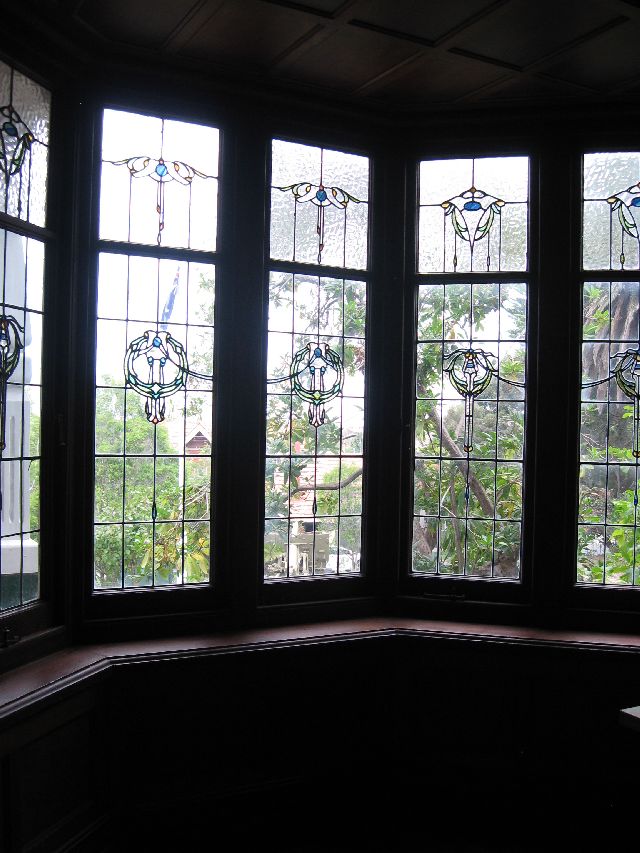
It’s being used as the RSL, so it lacks the loving attention that Ravenswood has been lavished with in recent years.  Nonetheless, the windows and woodwork are largely intact.

Ah…. but money, money, money.  The Ivanhoe RSL does not have pokie machines- what a Faustian pact that is.  You can see other RSLs gleaming away with their rendered paintwork, downlights and chrome fittings, purchased with tears and recriminations.  Ironically, this house is probably better preserved because it lacks the money to tart it up for short-term gain.

And so onto the bus, back to the Old England Hotel (fondly known as the OE) for afternoon tea and our bus tour was over for another year.  And with my Secretary’s hat on, thanks to Miles Real Estate and the Old England Hotel, the Ivanhoe RSL and the owners of Ravenswood as well!

And forty years later…

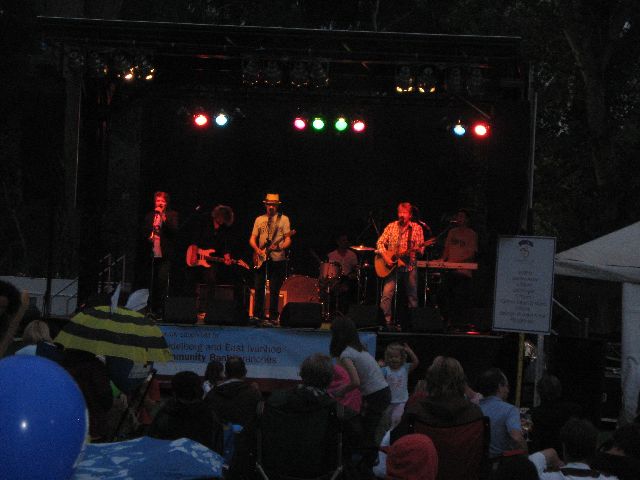
Last night was Twilight Sounds at Sills Bends.  This is an annual event, held at my favourite place in the world- well, Melbourne anyway- Sills Bend by the Yarra in Heidelberg.  I’ve written about Sills Bend before. The Yarra Flats were my childhood playground; now as an adult I just love the deep shade of the oak trees, the old fruit trees and the sense of connection with an older Heidelberg.

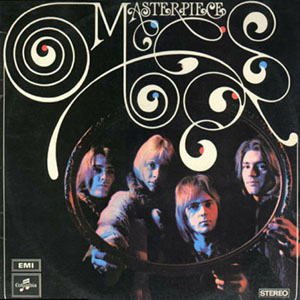
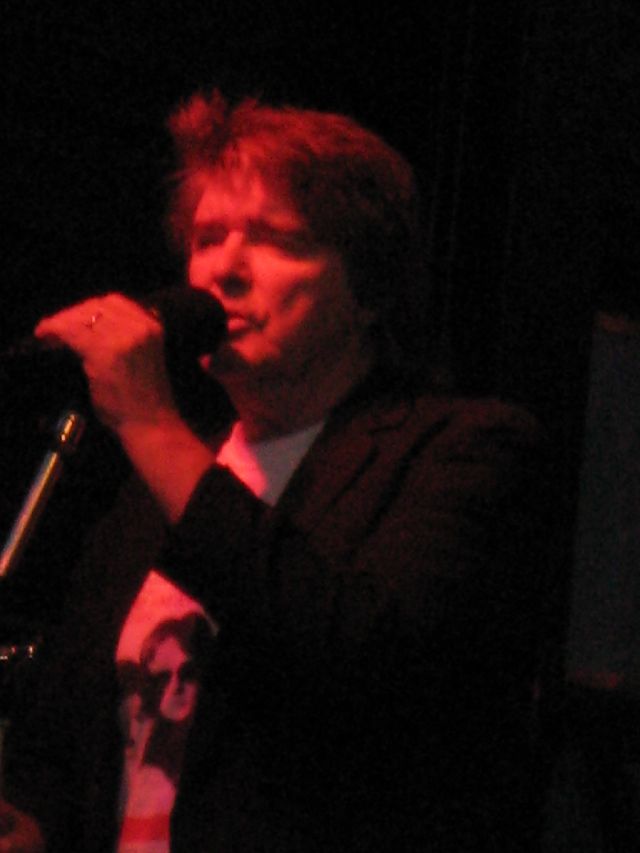
Last night felt particularly nostalgic as Cotton, Keays and Morris were performing.  I spent probably two years of my life between 14 and 16 desperately in love with Jim Keays and the Masters Apprentices.

Their album was the first full-priced album I’d bought- my pocket money only stretched to K-Tel albums with lurid limegreen and orange psychedelic covers- and every afternoon on the way home from school I wondered if there would be a newsletter from ‘Denise and Di and Mrs G” from the Masters Apprentices Fan Club (it was, let us say, a sporadic publication).  They had played at the Scots Church Hall in Burgundy Street for my high school social when I was Form 2 at Banyule High School.

I know that ‘real’ historians are not supposed to admit to such sop, but I’ve always been attracted to time-travel stories.  I wish that I could come up behind that fourteen year old girl, screaming and sobbing at Jim Keays’ feet as, wreathed in streamers and poured into black leather pants, he endured  what was probably another dreary school gig. They sang their new song, 5.10 man and I bought the single the next week.

I wish that I could tell that 14 year old girl that forty years later, she’d be watching this same man.  She would still be the same person deep down, but she’d end up doing many of the things she wanted to do. She’d live a suburb or two away; she’d have a career; she’d have children (who would not deign to accompany her to Sills Bend to indulge such nostalgia).  She mightn’t know it at the time, but she’d find other people who liked the things she did. She’d do well at school and go to university- yep, she’d STILL be at university forty years later!! She’d fall in love properly and people would fall in love with her.  Forty years on, she’d say that she has a very good life.

And he, too, would live a life that he probably couldn’t have foreseen on that stage in 1969 and I wonder if he’d say that he has a very good life too. I hope that he would.

Anyway a good night, a good gig.  And the excitement goes on today too…..

The Wildlife of Macleod

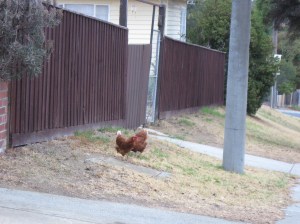
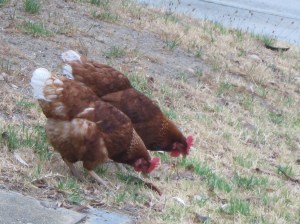
Seen, pecking their way from garden to garden along the street.

march2009-007

march2009-008

Go for it, girls!

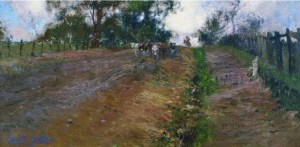
On the road from Heidelberg

From the Port Phillip Herald 6 Dec 1842

BLACK OUTRAGE. As a woman was coming to town the other day from Heidelberg, carrying a bundle in her hand, she was met by two black lubras, who attempting to take the bundle from her, the woman screamed out for assistance, whereupon she received a severe blow over the temples with a waddy, and the two blacks made off.  She complained of the assault at the police office, but no redress could be afforded, as she declared she could not identify the offenders.

Heidelberg was about seven miles out from the centre of Melbourne, but generally viewed as being ‘in the country’.   There was a road out to Heidelberg by this time built from donations and public subscription lists by the Heidelberg Road Trust , representing the interests of  the gentlemen who lived there (Judge Willis himself, Verner, the Boldens, Wills, Porter etc).  Heidelberg Since 1836 describes the route as:

…an extension of the great Heidelberg Road, which commenced in present day Smith Street Collingwood, winding through the Edinburgh Gardens and then crossing a ford in the Merri Creek.  The track to the village was approximately along the present Heidelberg Road, along Upper Heidelberg Road, and then branched off down to the village from the top of the hill at Heidelberg.  The road continued on along the ridge of the hill, down to the Lower Plenty and then on to the Upper Yarra.  (p. 12)

heidelbergroad1

By 1842, over 500 pounds of local money had been spent on the road, and log bridges were built at the Darebin Creek and the Plenty River.  Late in 1842 the Government paid the wages of unemployed labourers to clear stones and stumps from the road.  From 1845, as a result of the deterioration of the road, a levy was placed on landowners and a toll was established.

Not that our “woman” (note- not a lady) would necessarily be using the road.  I’m astounded by the distances that even ladies would walk- Georgiana McCrae seemed to think nothing of walking across the paddocks into the city from her house ‘Mayfield’ near the corner of present-day Church and Victoria Streets Abbotsford.  Abbotsford is of course much closer to the city than Heidelberg, but even a lady of one of the most prominent families in Melbourne would be prepared to hoof it through the bush.

This is also a reminder that the “blacks” were not only up-country but relatively close to Melbourne .  In fact, there are fleeting mentions of aboriginal people still visible on the streets of Melbourne itself.  I’m not sure what the significance is- if any- of these two women accosting another woman. Would they, I wonder, have approached a man, who was more likely to defend himself?

References:

C. Cummins Heidelberg Since 1836: A Pictorial History.