
It’s the first Saturday of the month so that means that it’s Six Degrees of Separation day. This meme, hosted by Kate at Books Are My Favourite and Best involves her choosing a starting book, then you linking the titles or themes of six other books. The starting book this month is Larissa Behrendt’s After Story which, true to form, I haven’t read. I’m not feeling particularly inspired, so I’m going to take the easy way out by linking six books that each have the word ‘after’ in the title.
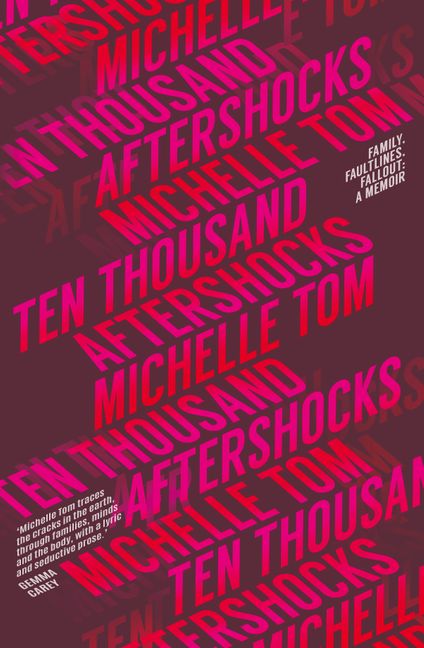
Ten Thousand Aftershocks by Michelle Tom is about the 2011 Christchurch earthquake. Tom uses the five stages of an earthquake as the organizing structure for her memoir of family trauma, but only the fourth stage deals directly with 22 February 2011. Actually, I wasn’t particularly impressed with this book, which was a series of splintered vignettes, and it almost turned me off reading memoirs. Almost, but not quite. You can read my rather snarky review here.
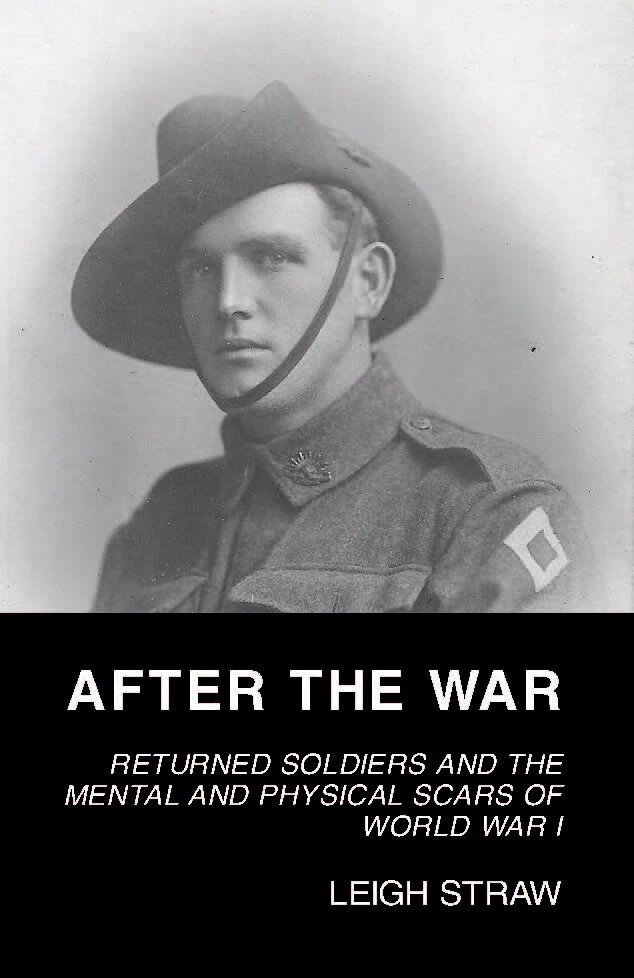
Leigh Straw’s After the War uses a family history connection to explore the mental and physical scars of World War I soldiers on their return to Australia. A newspaper report of a murder committed in 1929 by a man who shared the same name as her husband inspires her to explore the stories of fifteen men who enlisted in the war from Western Australia. Her book takes us through enlistment, fighting, and their return to Western Australia, with a particular focus on the difficulties they faced when returning to their families in a society limping through indifferent economic conditions towards the Depression. This is an easy book to read, despite its difficult themes. It is an academic text, but with its grounding in the lived experience of men and their families, it wears theory and argument lightly. My review is here.
Kate Atkinson is one of my favourite writers, but I had my doubts about Life after Life. It ticked all my boxes as far as books are concerned: time travel (my guilty pleasure) and London during the Blitz. The book focuses on Ursula, who lives multiple lives, each marked by the falling of snow before the next life begins. I wasn’t convinced by the opening scenario, and I didn’t feel that the character was developed particularly well. I think that I saw a television series based on this book, and I enjoyed it much more than I did the book (which is unusual for me- it’s usually the other way around). My review is here.
What a bad-tempered lot of reviews I have here! Evie Wyld’s After the Fire, a Small Still Voice was a very assured debut novel, but with an alternating story line between two men set 40 years apart, I found it too easy to put down. Both men are sent to war – the father to Korea, the father to Vietnam- and both men return damaged. They are both largely unreachable, encasing themselves in a masculine armour and impelled by a restlessness that deflects any attempts by others to reach the softer part of them. Here’s my review.
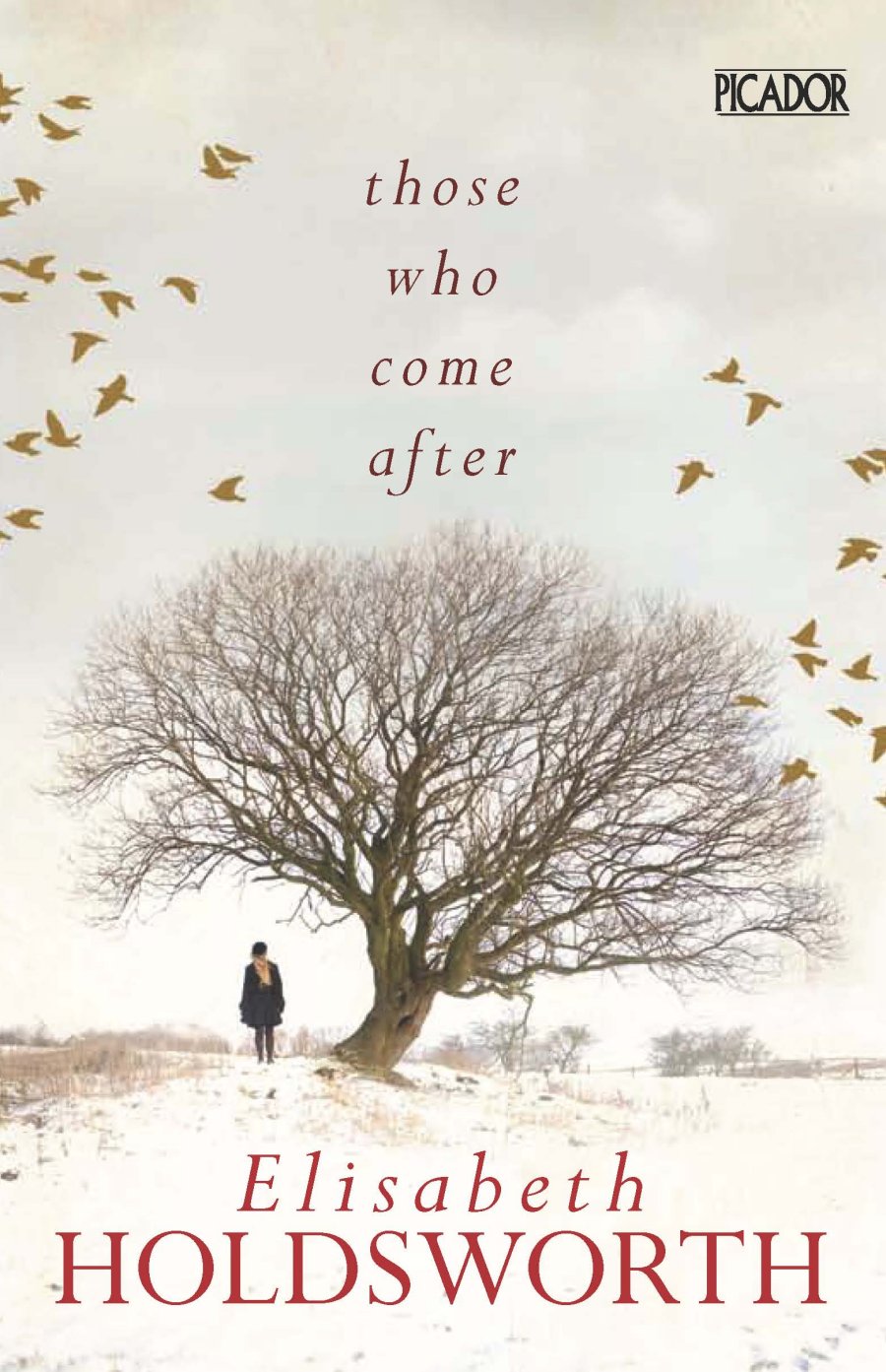
Did Elizabeth Holdsworth’s book Those Who Come After fare any better with me? I read this book largely on the strength of Holdsworth’s Calibre Prize winning essay in the Australian Book Review. It was a powerful read that combined history, memoir and reflection as a middle-aged, Dutch-born, now Australian narrator returned to her childhood home in Walcheren, a flat island sheltered from the sea by a network of dykes off the coast of Netherlands. But on reading the book, it seemed as if I was reading the essay again, except in a longer form. Here was the child, the old aristocratic family, the Jewish mother, the dykes, the flooding again, but now intertwined with a longer travel narrative and a migrant story as well. It was fuller, but somehow seemed emptier. My review is here.
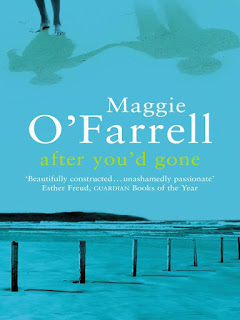
I read my final ‘after’ book, After You’d Gone by Maggie O’Farrell before I started writing this blog. Like many of these other books that I’d grumbled about here, there are shifts in narrator and tense and I couldn’t work out if the author was sloppy and undisciplined, or very good. By the end I plumped for the latter and even though it teetered on the edge of Mills and Boon, the quality of the writing anchored it.
What a lot of ill-tempered reviews! Perhaps I should avoid any book with ‘after’ in the title in future. If you’ve read any of these books, hopefully you enjoyed them more than I seem to have!
 The Resident Judge of Port Phillip
Yes, the earlier O’Farrell books were a bit on the romancy side. I still enjoyed them, but I prefer her later works.
Love your ‘after’ links. Well done!
Like you, I’m a Kate Atkinson fan. I think I enjoyed Life After Life more than you but I’m interested than you liked the TV series more. I’ve been avoiding it but I’m wondering now if I should give it a try. Great chain!
I also enjoyed Life After Life more than you. I didn’t know about the TV series, but I’m not sure I want to watch it as I usually prefer a book if I’ve read it before watching the adaptation. I also enjoyed After You’d Gone.
Some good stuff here, as in Life after Life and After You’d Gone, both of which I seem to have liked more unquestioningly than you. But you may have saved me from adding to my TBR here. A great chain.
I am a Kate Atkinson fan too (and bought the new Jackson Brodie this afternoon) but found it hard to like Life After Life.
Those Who Come After sounds interesting and I am planning a trip to Holland in the spring. I will check my library for it.
That Maggie O’Farrell is unfamiliar to me but the Betty Trask Award has a romantic connotation. I was a romance editor at Penguin so I suspect I would enjoy it. I really liked The Marriage Portrait but never finished Hamnet.
Constance