
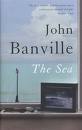
2005, 263 p
This won the Booker Prize, and it’s very much like his other books. There’s his care, deftness and sophistication of language and vocabulary; a deluded and unreliable narrator; and allusions to an artistic and professional life in which the main character immerses and obscures himself.
Banville’s handling of three timelines is masterful. A widowed art historian returns to a childhood holiday spot, where he reflects on his wife’s recent death from cancer and recalls his infatuation with the mother of a childhood friend in a golden summer of his early adolescence. In this regard, the book reminded me of Ian McEwan’s Atonement and L.P. Hartley’s The Go-Between. Banville slips effortlessly between these three storylines and there’s a dishonesty about his narrator’s telling in of all of them, through a mixture of naiveté, pomposity and emotional blindness. Banville writes so well- his descriptions are often so beautiful and apt that you stop to savour them. The ending was, perhaps, a bit of an anticlimax but it’s the language and sheer virtuosity of the author’s writing that is the real strength of this book.
 The Resident Judge of Port Phillip